Compound Bow Tuning: Why Small Adjustments Can Make a Big Difference
Grafton Archery & Outdoors
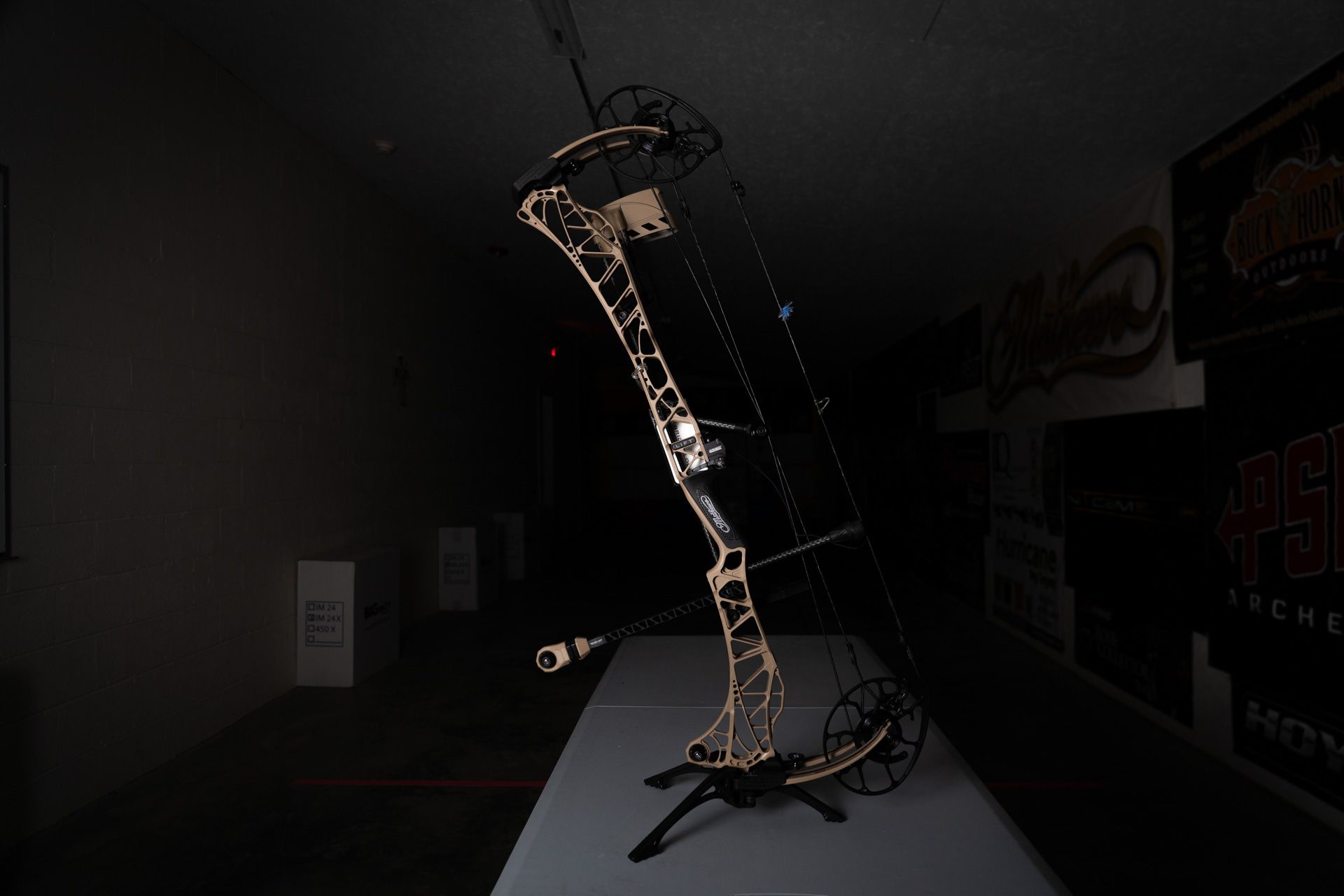
A compound bow is a precise piece of equipment. When everything is set up correctly, the bow feels smooth, arrows fly clean, and your groups become more consistent. When something is slightly off, even by a small amount, accuracy can suffer. That is why compound bow tuning is so important for hunters and target shooters. A bow does not have to be completely broken to need attention. Sometimes the smallest adjustment can make the biggest difference.
One of the most common signs that your bow needs tuning is inconsistent arrow flight. If your arrows are fishtailing, porpoising, or hitting the target at odd angles, the bow may not be launching the arrow cleanly. Many shooters assume this is always a form problem, but equipment can absolutely play a role. A rest that is slightly off, a nocking point that moved, or cam timing that has changed can all affect arrow flight.
Paper tuning is one method used to evaluate how an arrow leaves the bow. When you shoot through paper, the tear pattern can show whether the arrow is flying straight or leaving the bow with unwanted movement. A clean bullet hole usually means the arrow is coming out well. A tear in one direction can point toward rest position, nock height, grip pressure, arrow spine, or cam timing issues. Paper tuning does not solve every problem by itself, but it is a useful starting point.
Cam timing is another important part of compound bow tuning. On many bows, the cams need to rotate and reach their stopping points together. If the timing is off, the bow may feel different at full draw, produce inconsistent shots, or lose efficiency. String and cable stretch can cause cam timing to change over time, especially after a bow has been shot heavily or stored for a long period. A technician can check this and make the right adjustments.
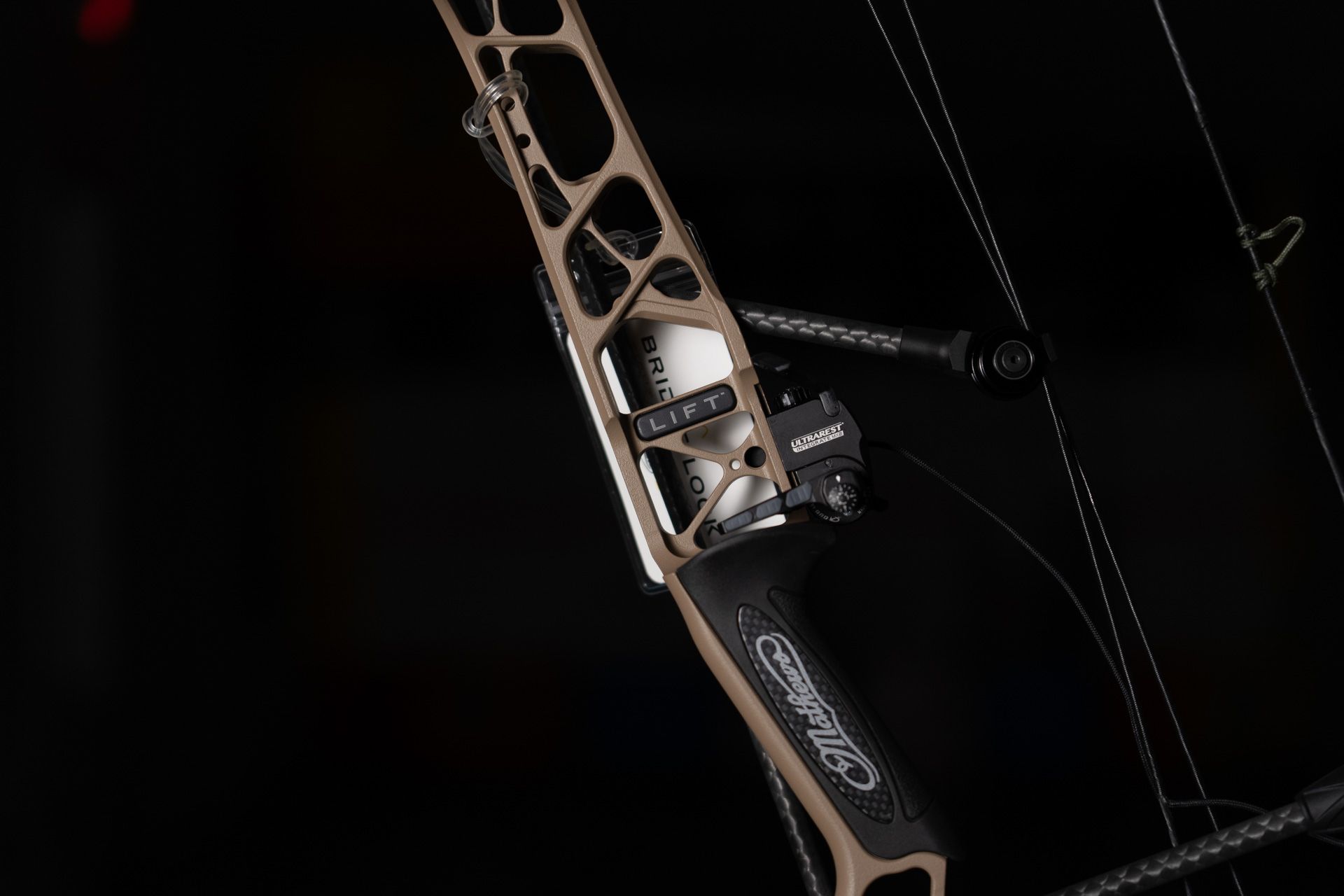
The arrow rest also plays a major role in accuracy. If the rest is not positioned correctly, the arrow may not be centered properly during the shot. This can cause poor broadhead flight, inconsistent groups, or arrows that do not tune well. Drop-away rests also need to be timed correctly so they support the arrow during the shot and move out of the way at the right moment. If the rest drops too early or too late, your arrow flight can suffer.
Your nocking point and D-loop should also be checked. Over time, a D-loop can wear, stretch, or shift. If your nocking point is not consistent, your arrows may leave the bow at a different angle than intended. This can create vertical inconsistencies and make it harder to hold tight groups. A worn D-loop can also become a safety concern, so it should never be ignored.
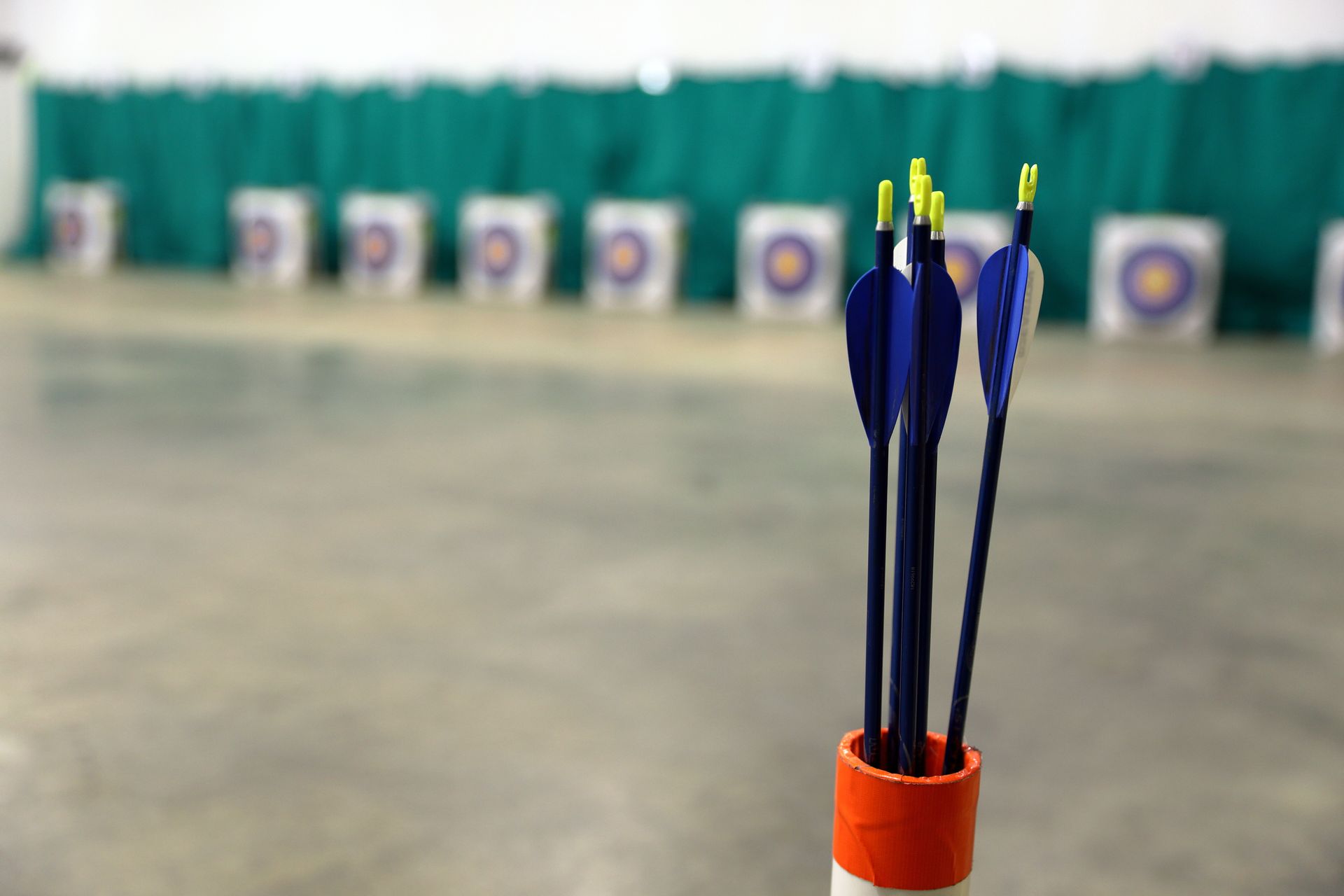
Arrow spine is another factor that is often overlooked. Even a perfectly tuned bow will struggle if the arrows are not matched to the setup. Draw weight, draw length, arrow length, point weight, and intended use all matter. Hunters who switch to heavier broadheads or change arrow weight may need to revisit their tune. The right arrow setup helps the bow perform the way it should.
Broadhead tuning is where many hunters notice problems. Field points may group well, but broadheads can expose small tuning issues quickly. Because broadheads have blades, they can steer the arrow more than a field point if the bow is not tuned correctly. If your broadheads are not hitting with your field points, you may need a rest adjustment, arrow correction, or full bow tune-up.
It is also important to remember that tuning is not just about chasing perfect results on paper. The goal is a bow that performs consistently for the person shooting it. Grip, anchor point, release style, and follow-through all affect results. A good bow technician can help separate equipment issues from shooting habits and get your setup working as cleanly as possible.
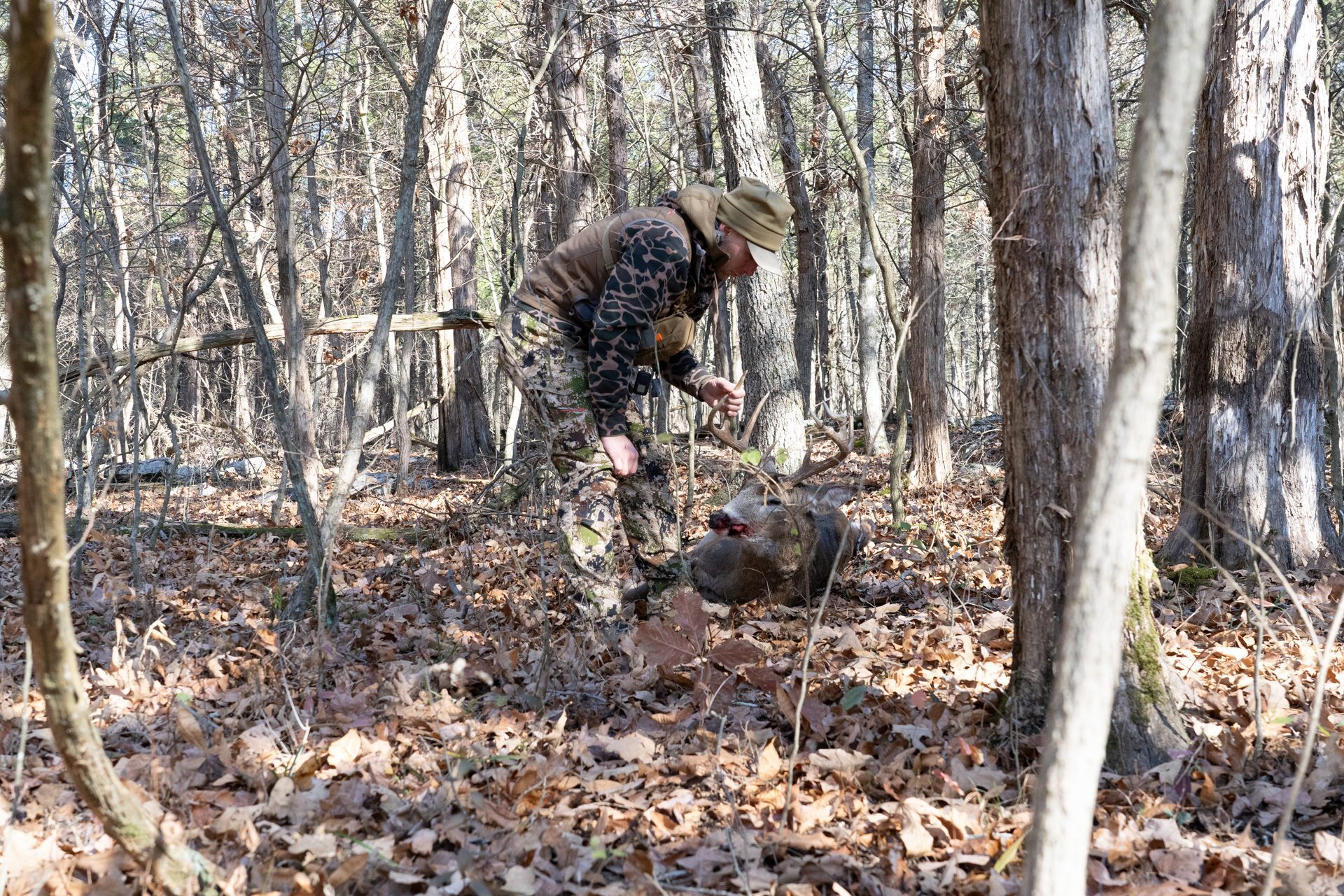
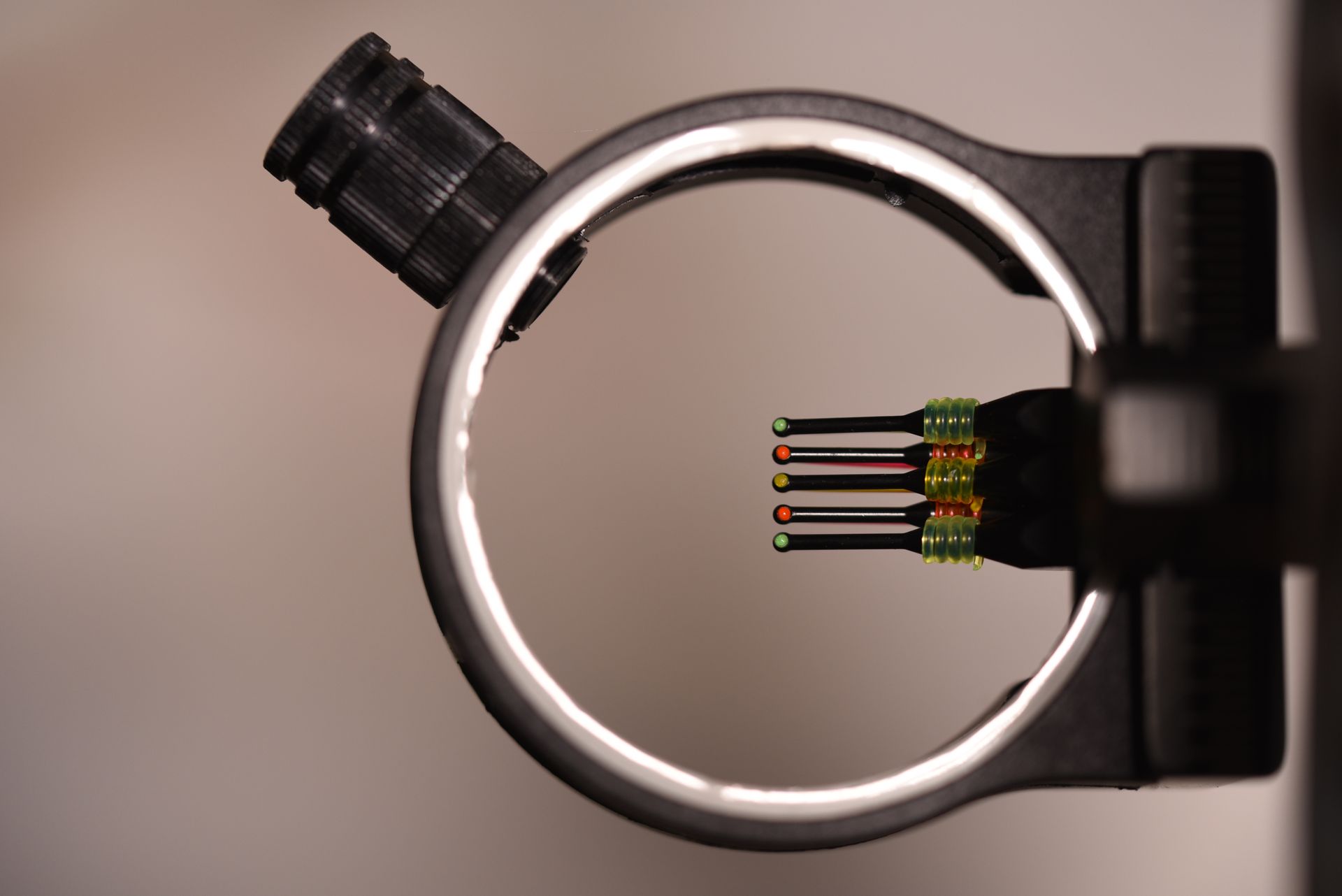
For hunters, proper tuning is about more than better groups. It is about confidence and ethical shot placement. When a deer steps into range, you do not want to wonder if your broadhead will fly differently than your field point. You want to know that your bow, arrows, rest, sight, and broadheads are working together.
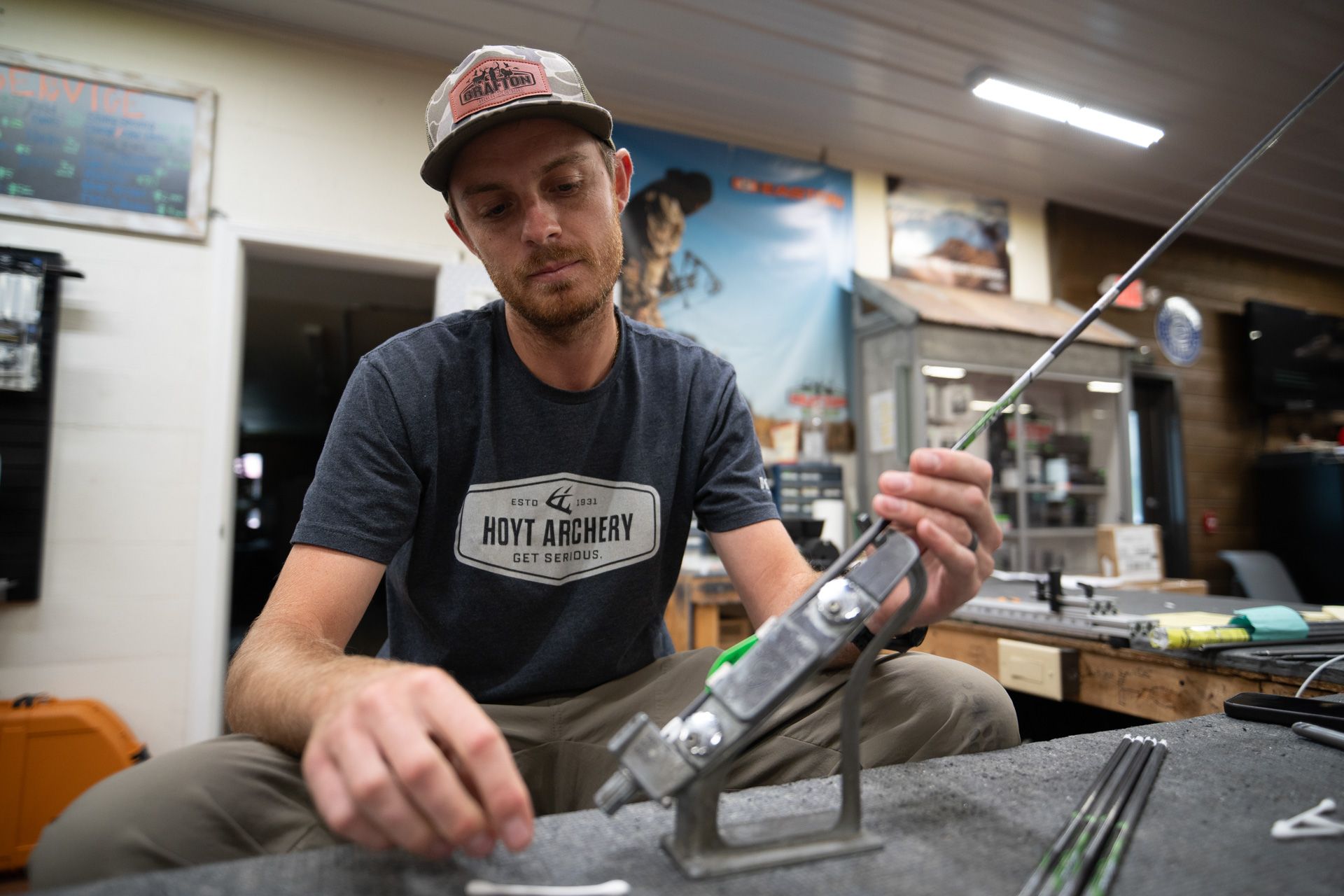
If your bow has not been tuned recently, or if something feels off, bring it to a local archery shop before the season gets busy. Grafton Archery & Outdoors in China Grove, NC can help with compound bow tuning, bow setup, arrow selection, and preseason checks. Small adjustments can have a major impact on how your bow shoots. Getting those details right is one of the best ways to improve accuracy and confidence.