The Complete Pre-Season Checklist for Bow Hunters
Grafton Archery & Outdoors
Getting ready for bow season takes more than grabbing your gear and heading into the woods. A solid pre-season routine helps you feel confident, shoot accurately, and avoid surprises when it matters most. At Grafton Archery & Outdoors, we help hunters prepare every year with gear checks, tuning, and advice that makes a real difference in the field. If you want to walk into the season ready, this checklist will help you get there.
Start by taking your bow out and giving it a full inspection. Look at the strings and cables for any fraying or wear. Even a small issue can throw off your shot or lead to failure under tension. If it’s been a year or more since you replaced them, it might be time. Strings lose strength over time, even if they look okay. If you’re not sure, bring your bow into the shop and we’ll take a look.
Once you’ve inspected your string, move on to the cams and limbs. Make sure there are no cracks, splinters, or signs of impact. Rotate the cams slowly and check for smooth movement. Any grinding or sticking could mean something's off. We can tune everything to factory specs if anything feels wrong.
Next, focus on your accessories. Make sure your sight is still locked in and hasn’t shifted. If you have a multi-pin setup, double-check each pin’s accuracy. Lights, peeps, rests, and stabilizers all need a once-over too. Replace batteries, clean out any debris, and re-tighten mounts. Even a slightly loose screw can shift your point of impact.
Now it’s time to test your arrows. Inspect each shaft for cracks, check fletching for tears, and spin-test your broadheads. Consistency is everything. Even if your bow is perfect, a damaged arrow can ruin a shot or worse. If you’ve changed your draw weight or bow model since last season, you may need different spine arrows. We can help you find the right match.
Once your gear is tuned and ready, get out and shoot. Not just once or twice. Practice at varying distances. Practice from elevation. Practice in the clothes you’ll wear during the hunt. Your form, anchor point, and release need to be second nature when that shot opportunity comes. The more realistic your practice, the better prepared you’ll be.
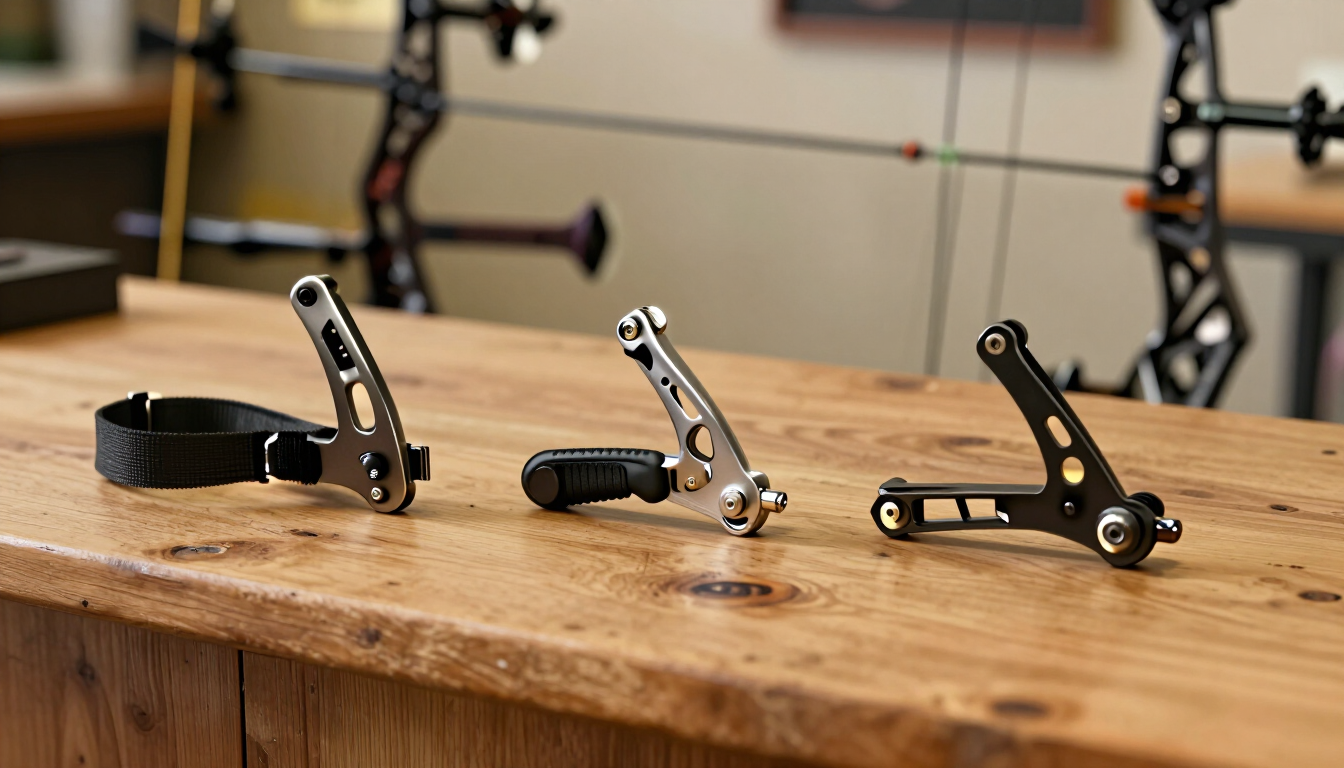
Don’t forget your release aid. Whether you’re using a wrist strap or a thumb release, test it for wear and adjust it to feel natural. Over time, straps stretch and springs can wear down. If you’ve ever had a release fail in the field, you know it’s not worth risking.
Check your bow case and field gear. Make sure your rangefinder has fresh batteries. Test your harness and safety lines. If you use trail cameras, update firmware and clear out old images. Many hunters forget about the little things until they’re out in the woods. Go through your pack and make sure it’s stocked with everything you’ll need, from scent control to game calls.
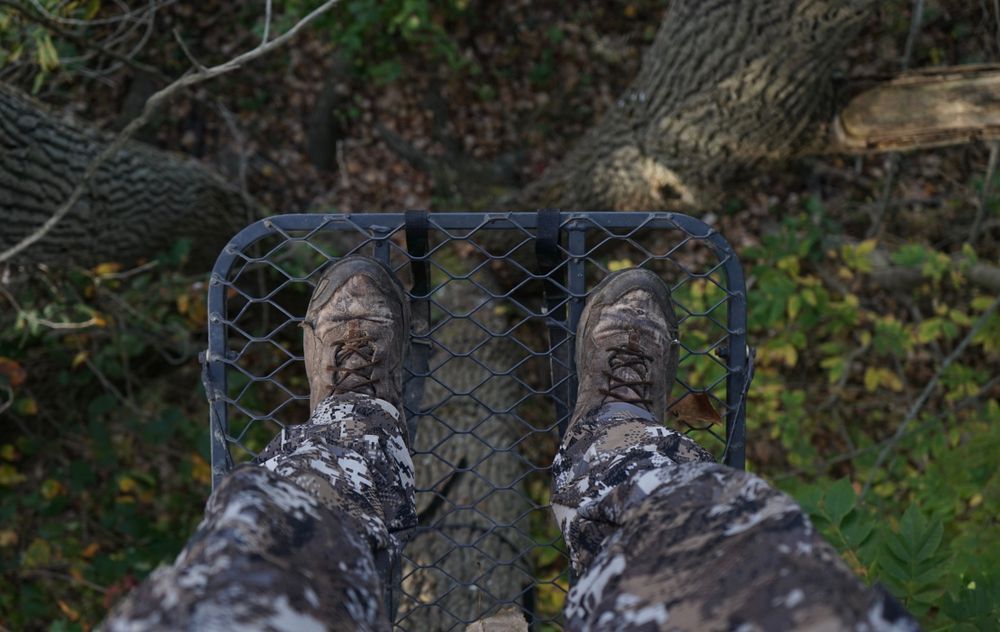
For those hunting from stands or blinds, inspect and set up early. Check for damage, wasp nests, and secure footing. You want your shooting lanes cleared and your entry paths mapped out before opening day. Planning ahead gives you more time to scout and less to worry about later.
Finally, make sure your tags, licenses, and regulations are current. Season dates, legal equipment, and harvest limits can change year to year. The last thing you want is a great hunt interrupted by paperwork issues. If you need help reviewing local laws, our team can point you in the right direction.
At Grafton Archery & Outdoors, we’ve helped hunters get dialed in for years. If you want your setup checked, tuned, or upgraded, stop by. Our team can walk you through every part of this checklist and make sure you’re ready to go. We carry the gear, do the service, and give honest advice backed by experience.
Your success in the field starts with preparation, and we’re here to help you make the most of it.
Come see us before the season kicks off and give yourself the best shot possible.