Beginner’s Guide to Buying Your First Bow
Grafton Archery & Outdoors
Buying your first bow is exciting, but it can also feel overwhelming. There are different bow styles, draw weights, accessories, arrow options, and price ranges to consider. For a new archer or first-time bowhunter, it is easy to focus only on the bow itself and forget about the full setup. The right first bow should fit your body, match your goals, and give you confidence as you learn.
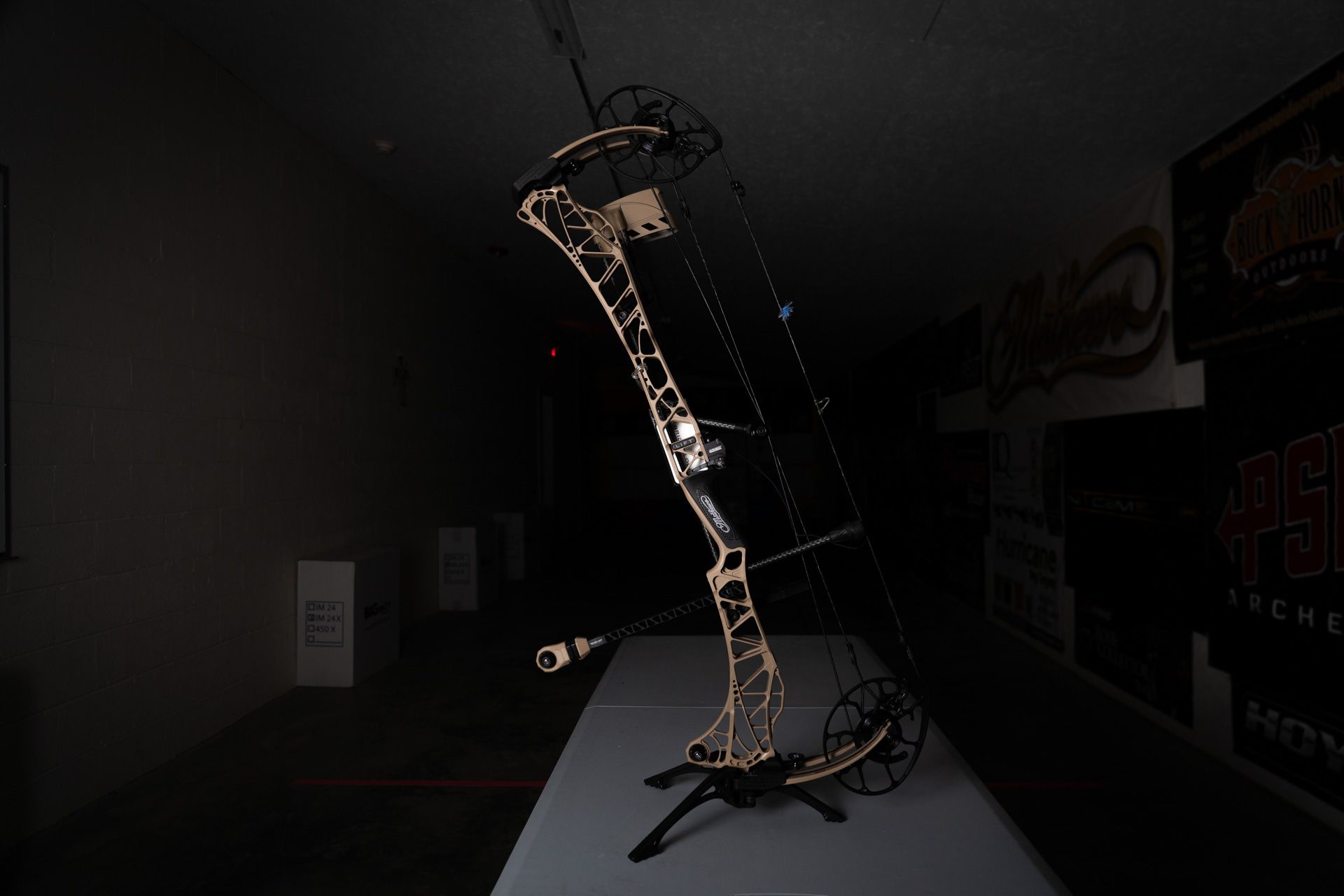
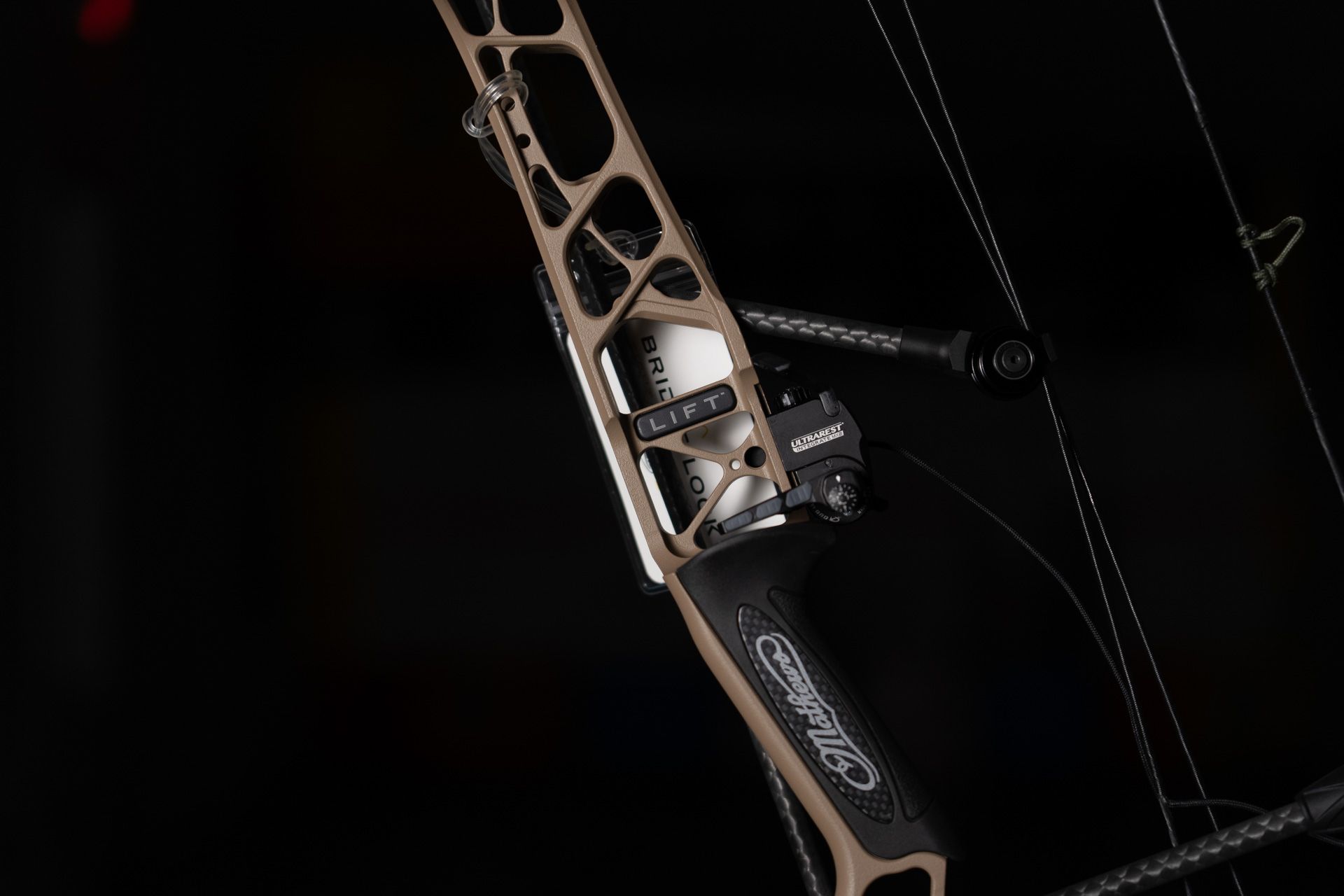
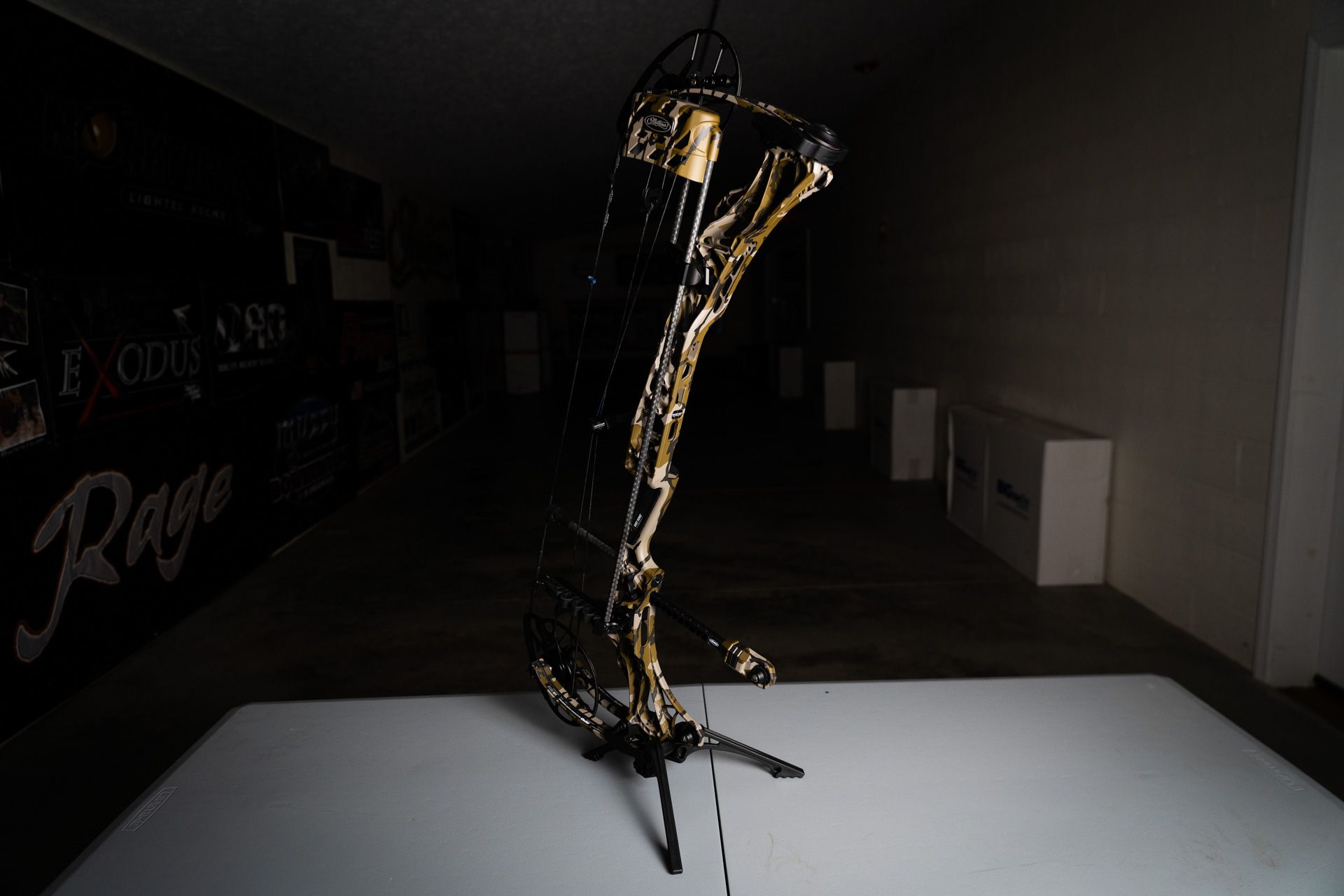
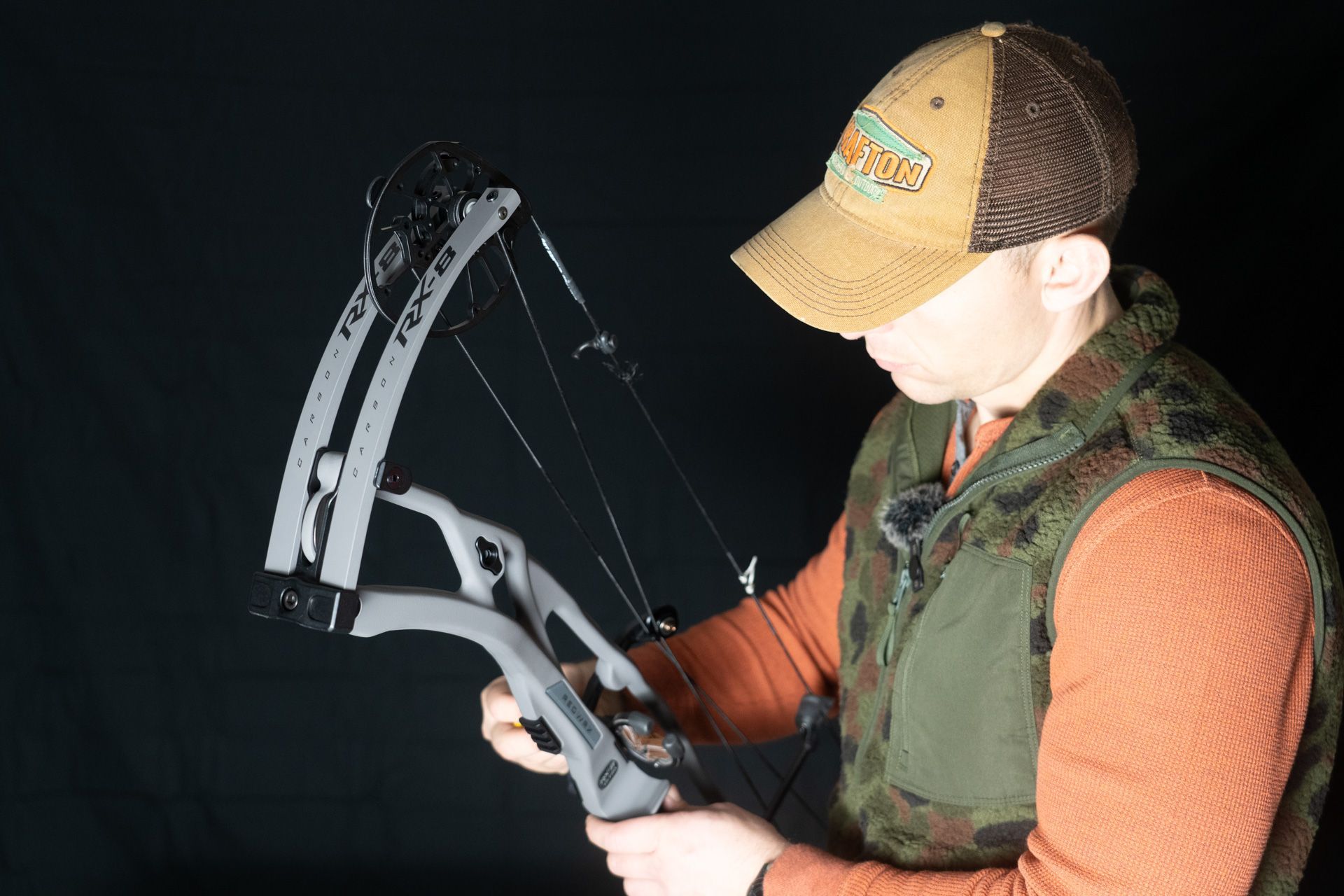
The first decision is what type of bow you want. Most modern hunters choose a compound bow because it offers speed, let-off, adjustability, and strong hunting performance. Compound bows use cams and cables to make holding at full draw easier than pulling the full draw weight the entire time. This helps new shooters aim more steadily and build confidence.
Traditional bows, such as recurves and longbows, are also popular for people who enjoy a more classic shooting style. They can be simple, fun, and rewarding, but they usually require more practice to shoot accurately. For someone focused on deer hunting, a compound bow is often the most practical first choice. For someone interested in traditional archery, a recurve can be a great place to start.
Fit is one of the most important parts of buying a bow. Your draw length needs to be measured properly so the bow matches your body. If the draw length is too long, your form can suffer and your shots may become inconsistent. If it is too short, your anchor point and comfort can feel wrong. A properly fitted bow is easier to shoot and easier to learn on.
Draw weight is another major factor. Many beginners think they should start with as much weight as they can possibly pull, but that is usually a mistake. You should be able to draw the bow smoothly and safely without pointing it upward, shaking, or struggling. Starting with a manageable draw weight helps you build good form and avoid bad habits. For hunting, you can increase weight over time as your strength and technique improve.
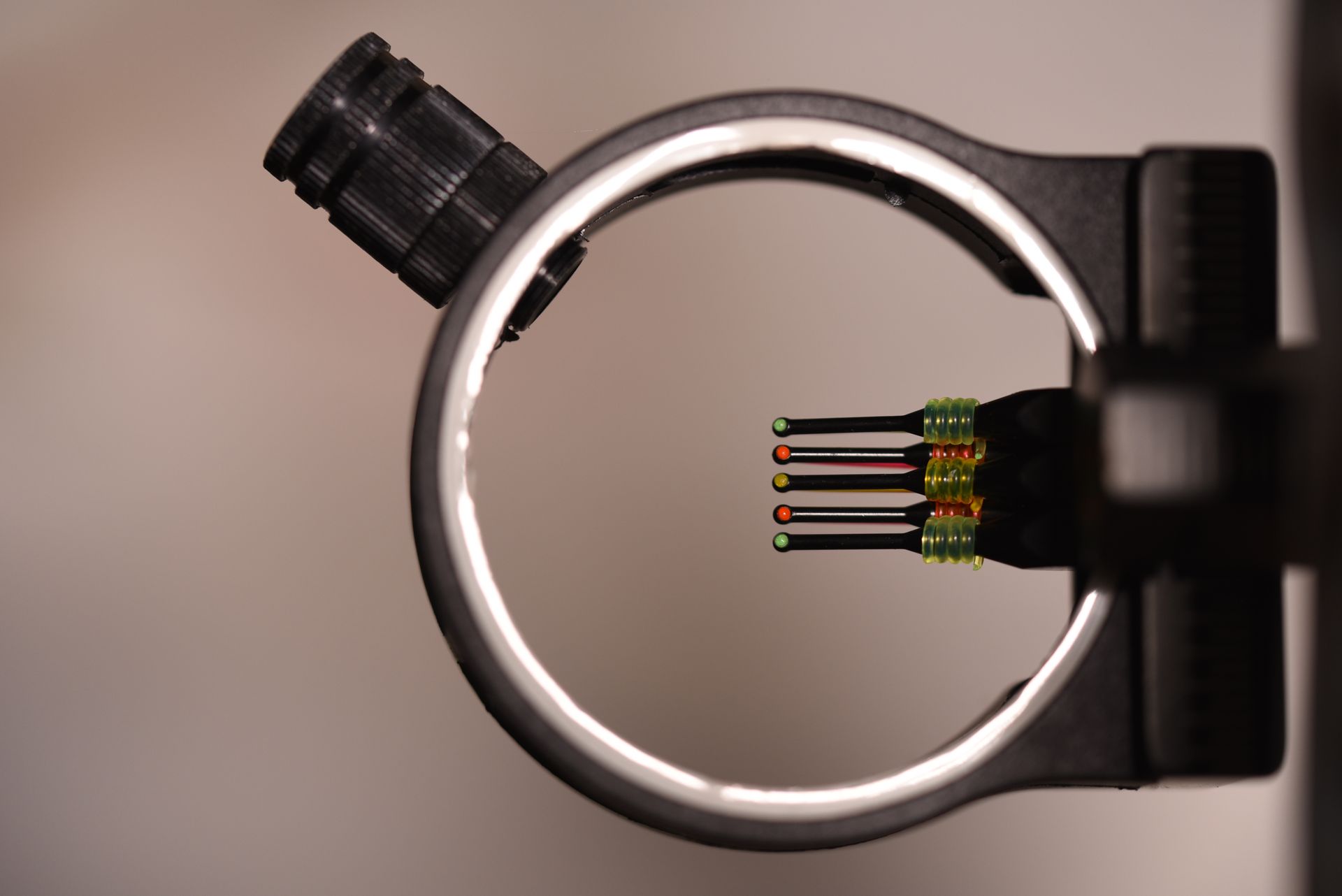
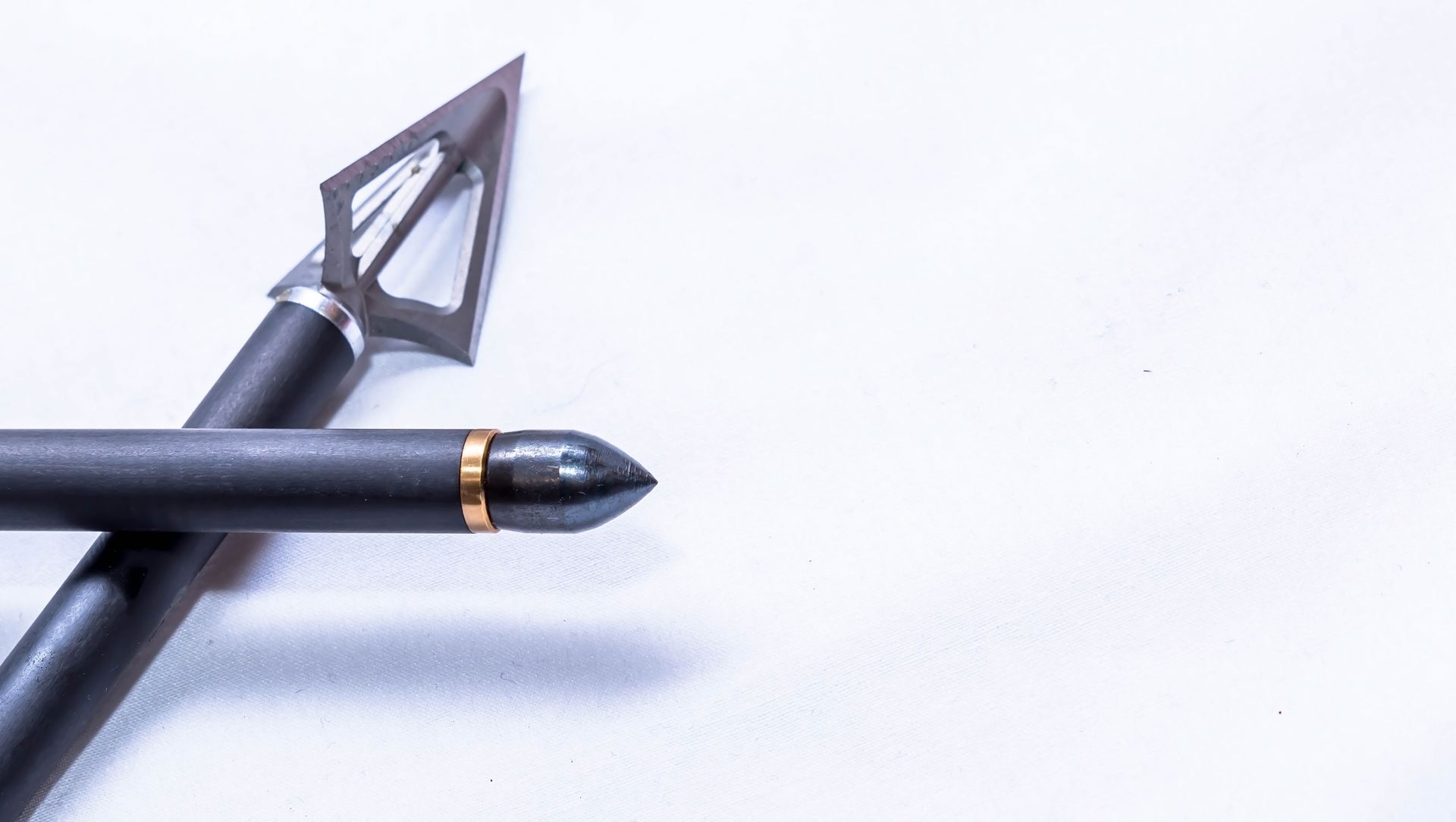
Budget should include more than the bow. A complete setup may include a sight, rest, release, arrows, quiver, stabilizer, peep sight, broadheads, field points, target, and case. Some beginner bow packages include several accessories, which can make the starting process easier. However, not every accessory in a package is equal, so it helps to have someone explain what is worth upgrading and what can work for now.
A release aid is another important part of the setup for many compound bow shooters. A good release can help with consistency, cleaner shots, and better accuracy. There are different styles, including wrist strap releases and handheld releases. Most beginners start with a wrist strap release because it is simple, comfortable, and easy to use.
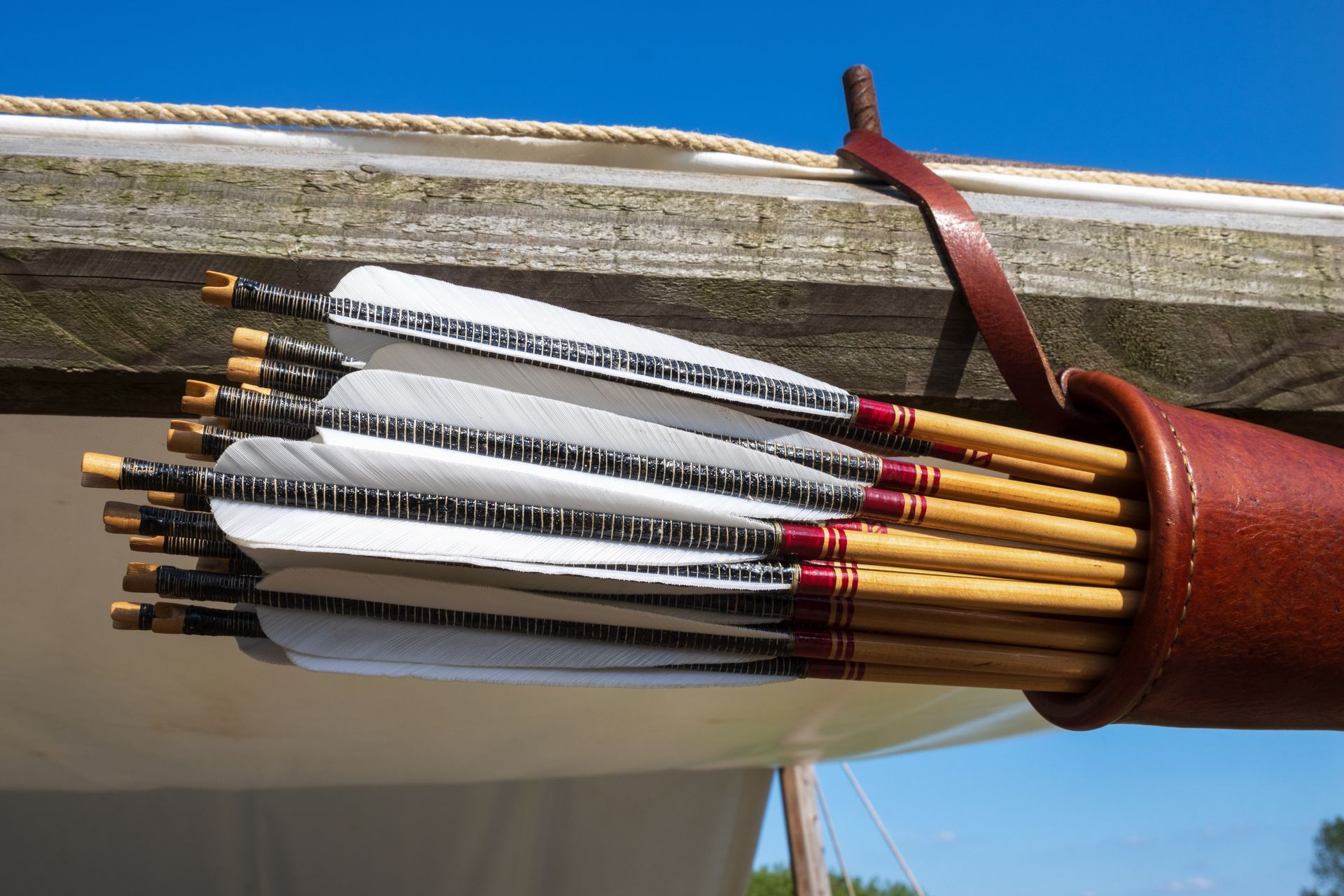
Your arrows need to match the bow. This is one area where beginners should not guess. Arrow spine, length, point weight, and intended use all matter. The wrong arrows can cause poor flight, poor accuracy, and even safety issues. When you buy your first bow, make sure your arrows are selected and cut for your specific draw length and draw weight.
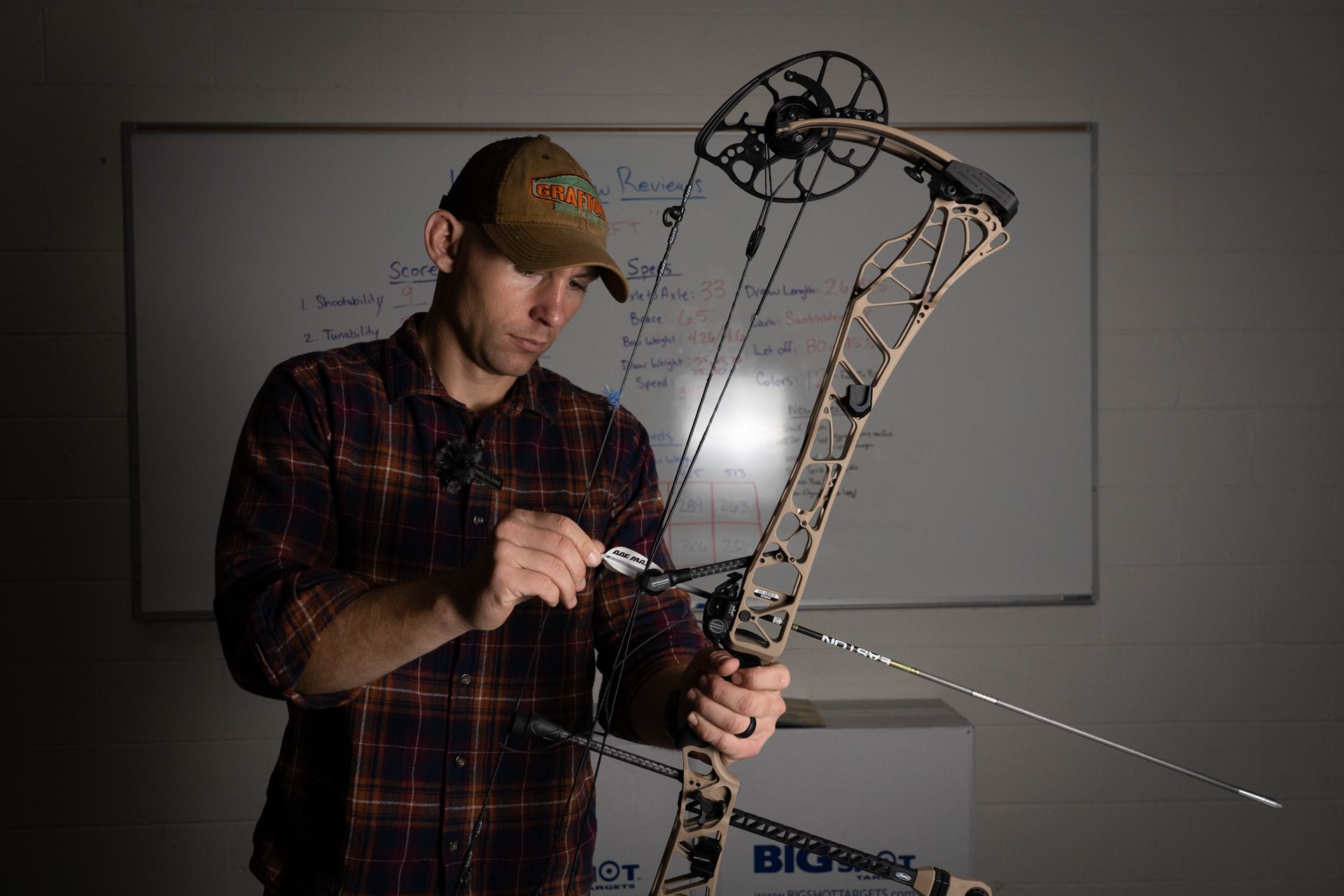
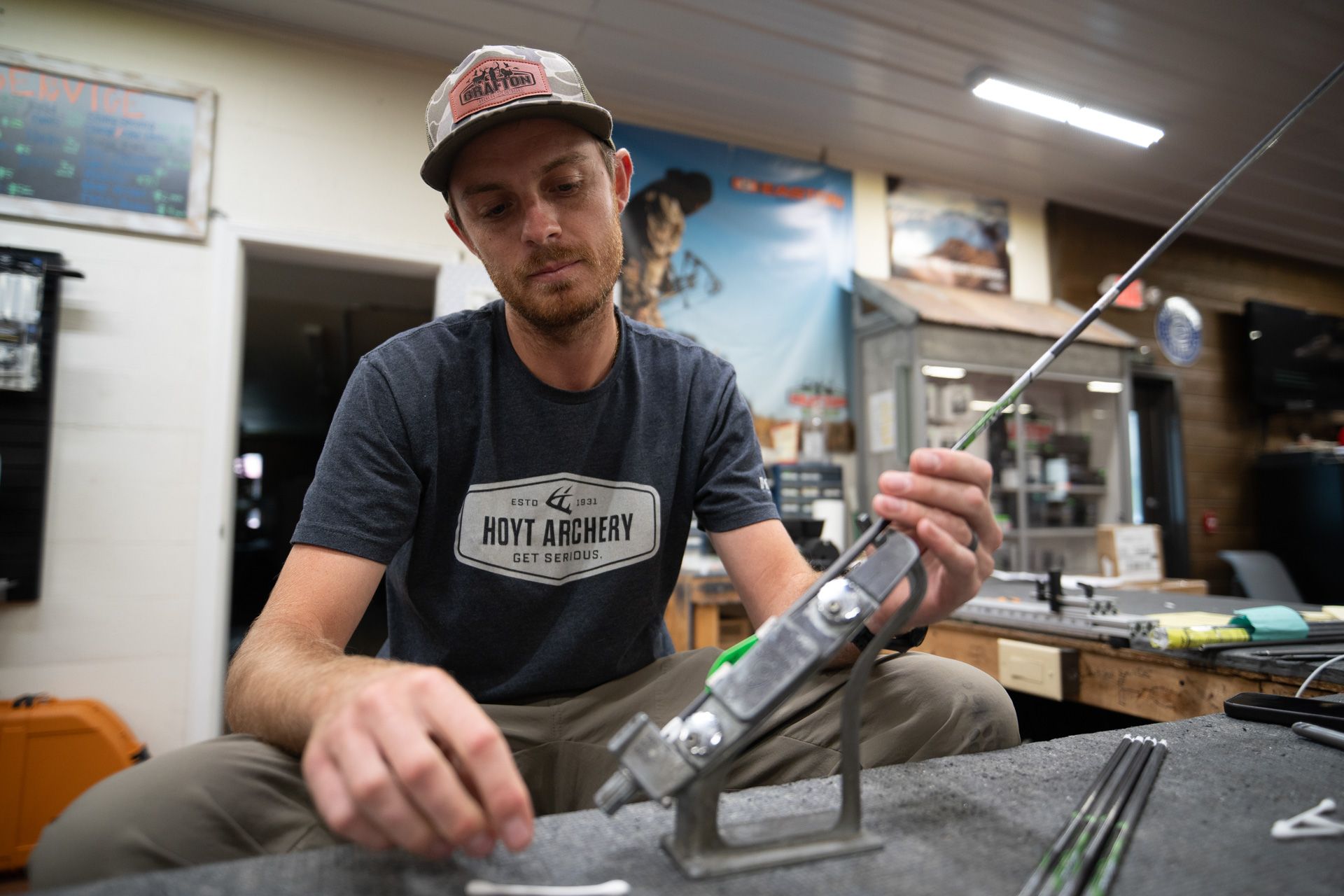
One of the biggest advantages of buying from a local archery shop is setup support. A bow purchased in a box still needs to be fitted, adjusted, tuned, and tested. The peep sight needs to be placed correctly. The draw length and draw weight need to be checked. The rest and sight need to be set. Arrows need to be matched. This is hard to do correctly without experience.
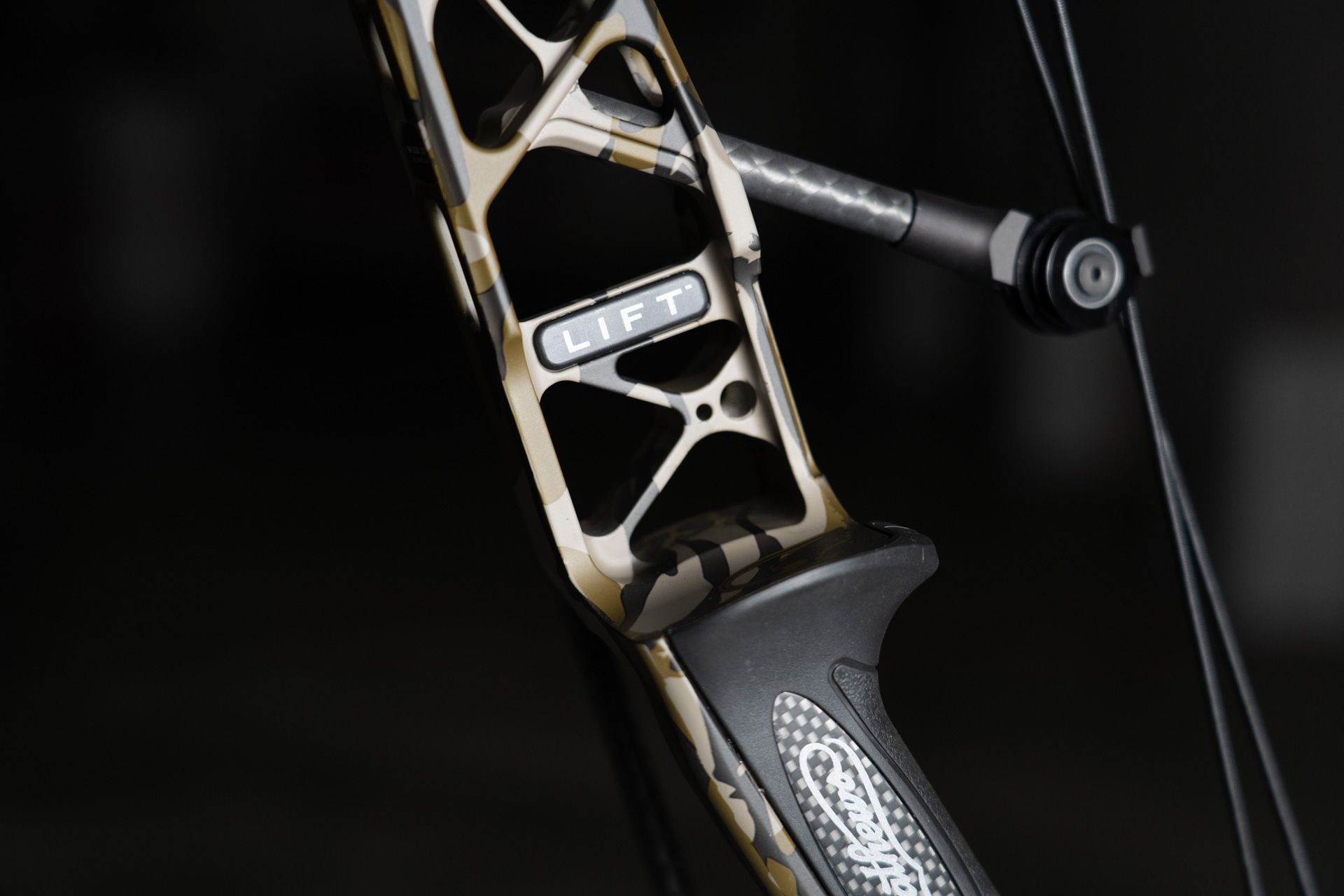
It is also helpful to shoot the bow before making a final decision. A bow may look great online but feel uncomfortable in your hand. Grip shape, draw cycle, valley, back wall, weight, and balance all affect how the bow feels. What works for one person may not be the best choice for another. Trying a bow in person can save you from buying something that does not fit your needs.
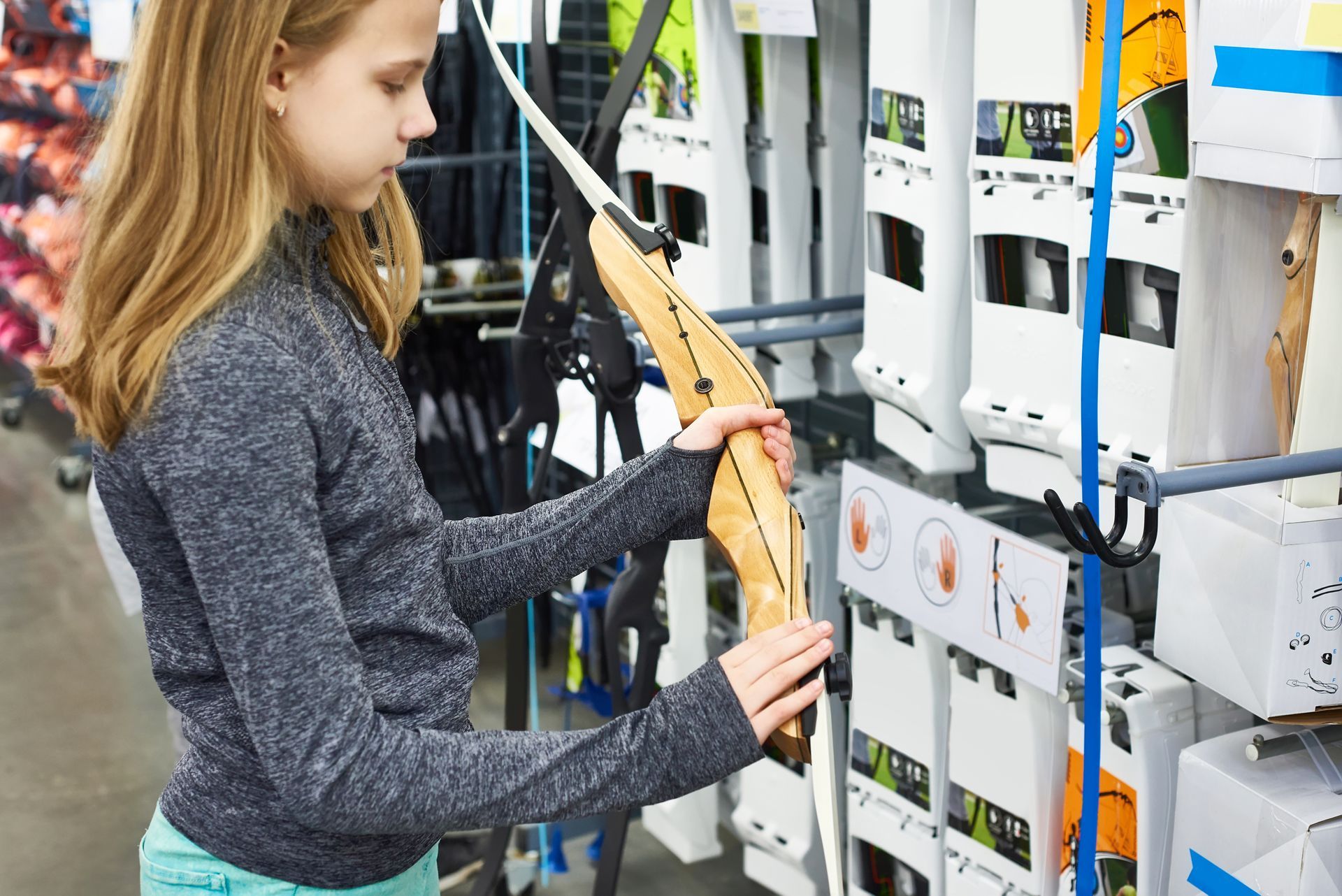
For youth archers, adjustability is especially important. Kids and teenagers grow quickly, so a bow with a wide range of draw length and draw weight can last longer. Youth bows should be comfortable, safe, and fun to shoot. The goal is to build confidence, not force a young shooter into equipment that is too heavy or too difficult.
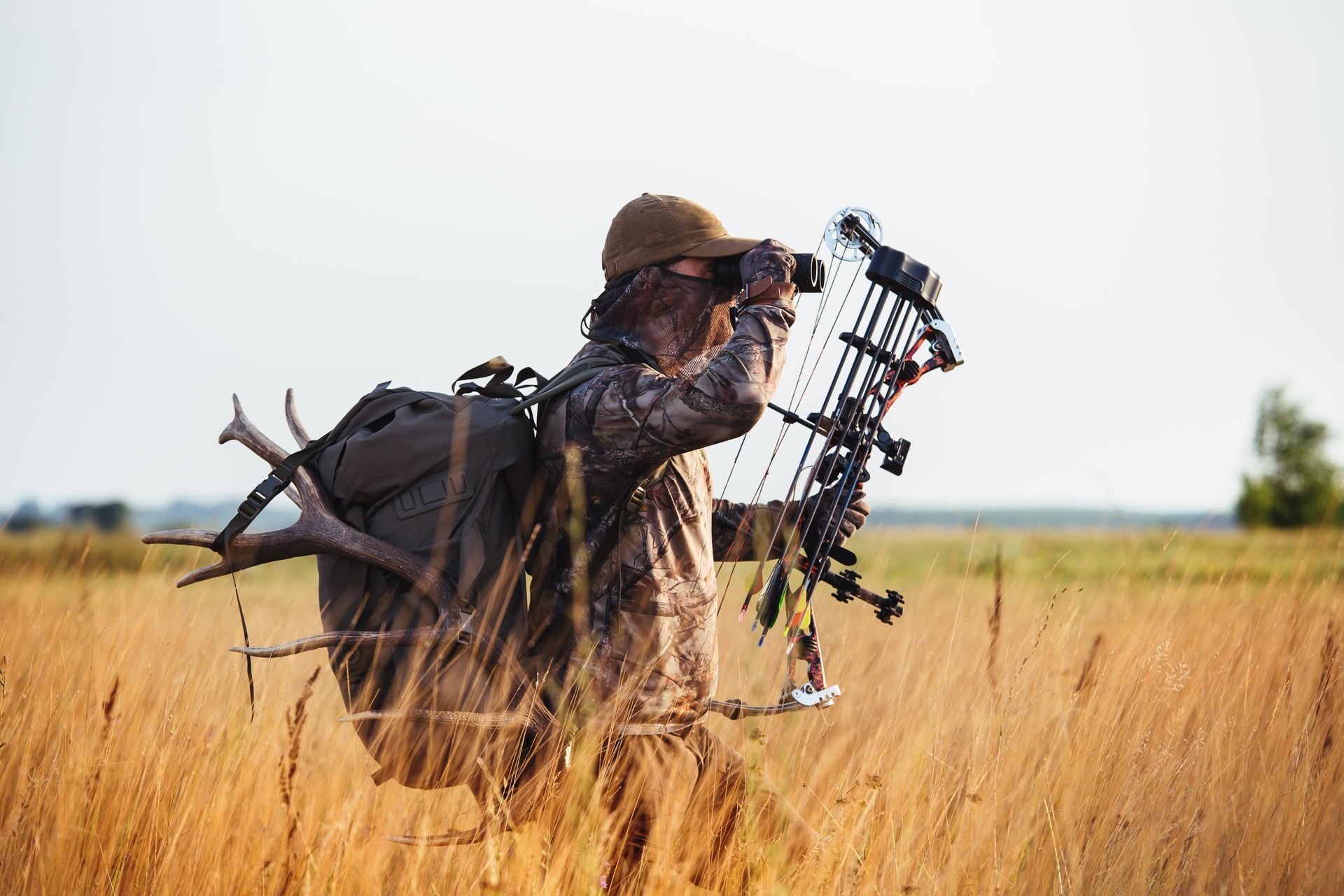
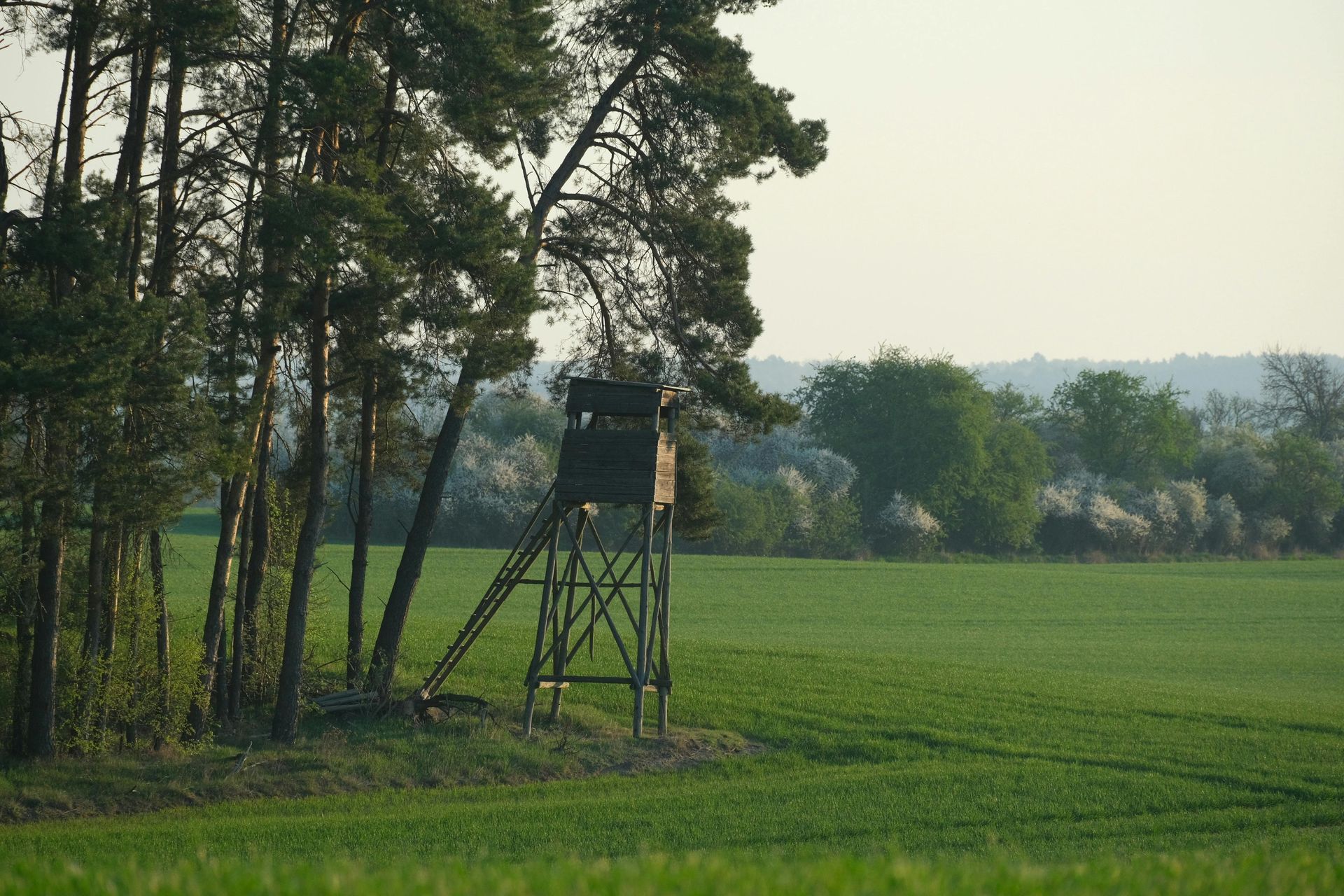
New bowhunters should also think about the type of hunting they plan to do. If you are hunting from a treestand, ground blind, or tight wooded area, you may value a compact and quiet setup. If you plan to practice at longer distances, you may care more about stability and accuracy. Your hunting style can influence which bow and accessories make the most sense.
The best first bow is not always the most expensive bow. It is the bow that fits you, matches your goals, and gives you room to improve. A properly fitted mid-range bow can outperform an expensive bow that is not set up correctly. For beginners, setup and instruction matter just as much as brand names and speed ratings.
If you are ready to buy your first bow, Grafton Archery & Outdoors in China Grove, NC can help you choose the right setup. From measuring draw length to selecting arrows and accessories, working with experienced bow technicians makes the process easier. Your first bow should help you enjoy archery, build confidence, and start off the right way.