Common Bow Problems Hunters Should Fix Before the Season Starts
Grafton Archery & Outdoors
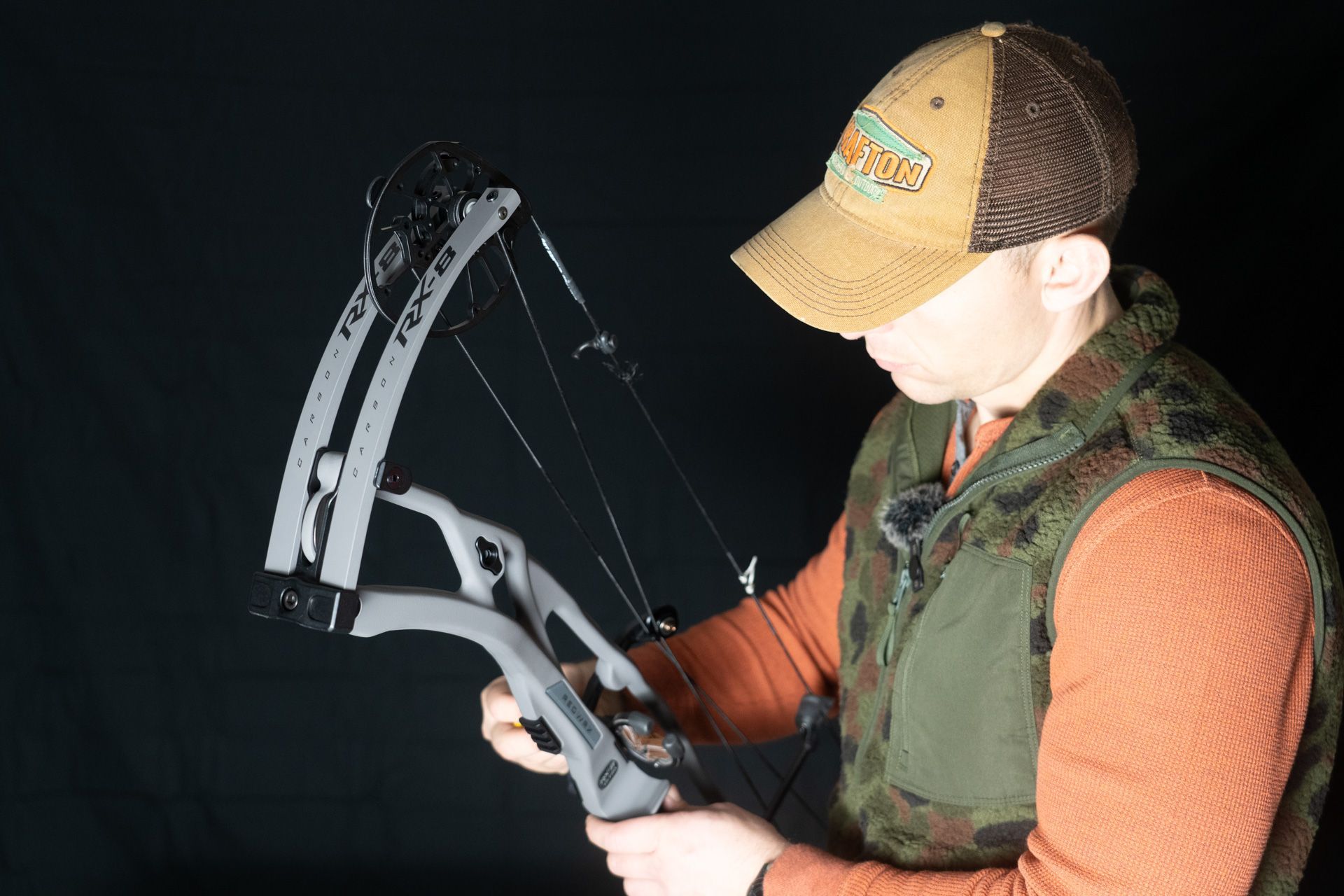
Bow season rewards preparation. By the time deer season arrives, your equipment should already be inspected, tuned, and ready to hunt. Waiting until the last minute can leave you dealing with problems that should have been caught weeks earlier. Many bow issues start small, but even a small problem can affect accuracy, safety, or confidence when you are in the stand.
One of the most common problems is worn or frayed strings. Bowstrings and cables deal with a lot of pressure, and they naturally wear over time. Fraying, broken strands, serving separation, and dry-looking areas should never be ignored. A damaged string can affect performance and may become unsafe. If your string looks questionable, have it inspected before you keep shooting.
Peep sight rotation is another issue hunters often notice right before season. If your peep does not line up naturally when you draw, your anchor point and sight picture can become inconsistent. Some hunters try to twist their head or force the peep into view, but that usually leads to poor form. A peep should settle into position naturally at full draw. If it does not, your string or peep setup may need adjustment.
Loose accessories can also cause problems. Sights, rests, quivers, stabilizers, and limb dampeners can all loosen from shooting, travel, or storage. A slightly loose sight can change your point of impact. A loose quiver can create noise. A rest that shifts can cause poor arrow flight. Before season, every screw and mounting point should be checked carefully.
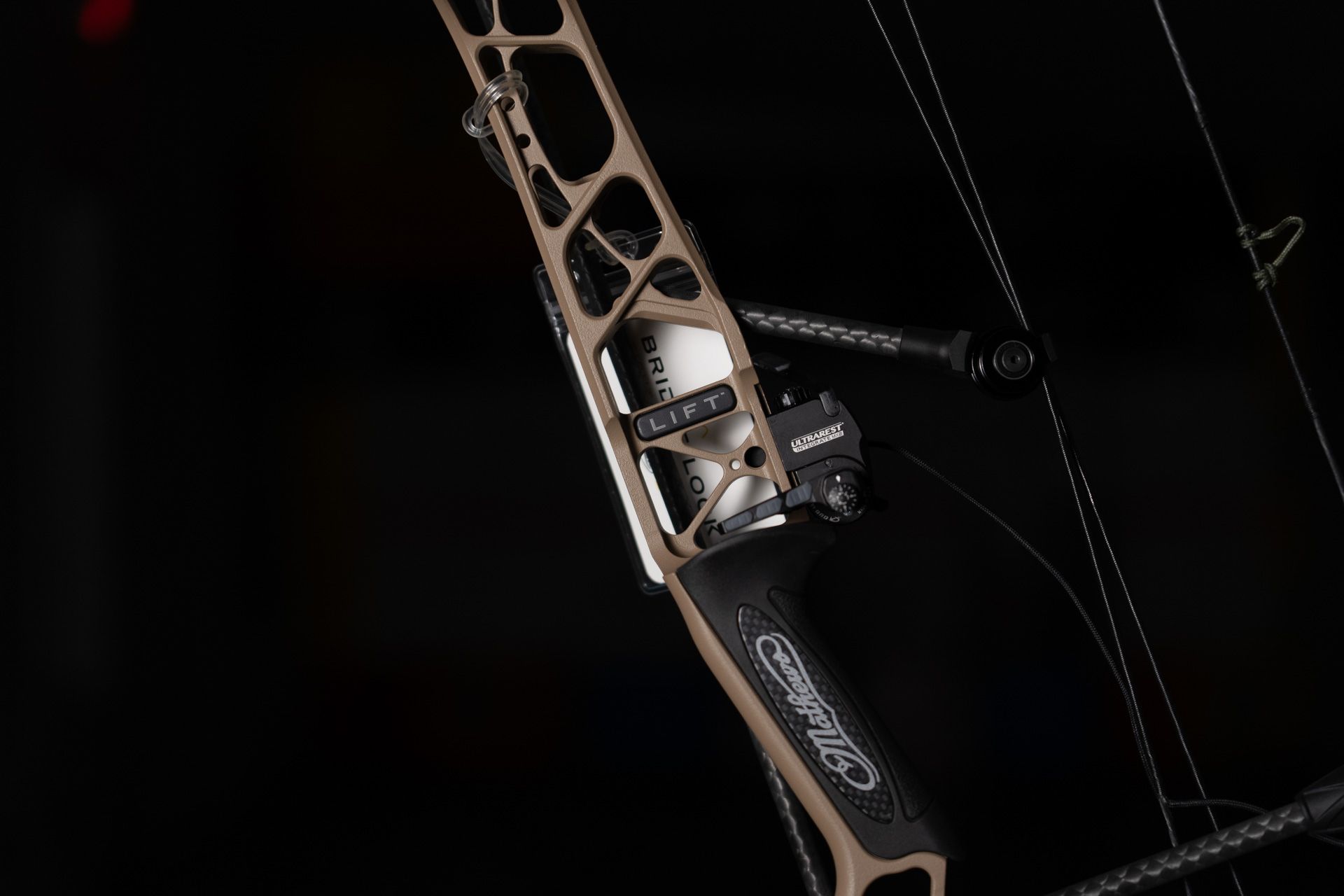
Arrow rest problems are especially important. If your rest is worn, loose, or poorly timed, your arrows may not launch cleanly. Drop-away rests need to support the arrow and then move out of the way at the right moment. If timing is off, the rest can interfere with the arrow or fail to guide it properly. This can create inconsistent groups and poor broadhead flight.
Cam timing can also change over time. As strings and cables stretch, the cams may no longer be synchronized correctly. This can affect the feel of the draw, the way the bow holds at full draw, and how consistently it shoots. Hunters may not always notice cam timing issues right away, but they can show up as tuning problems or inconsistent arrow flight.
A worn D-loop is another common issue. The D-loop connects your release to the string, so it needs to be in good condition. If it is frayed, stretched, loose, or poorly tied, it can affect consistency and safety. A D-loop failure can cause a bad shot or even injury. It is a small part of the bow, but it plays a big role.
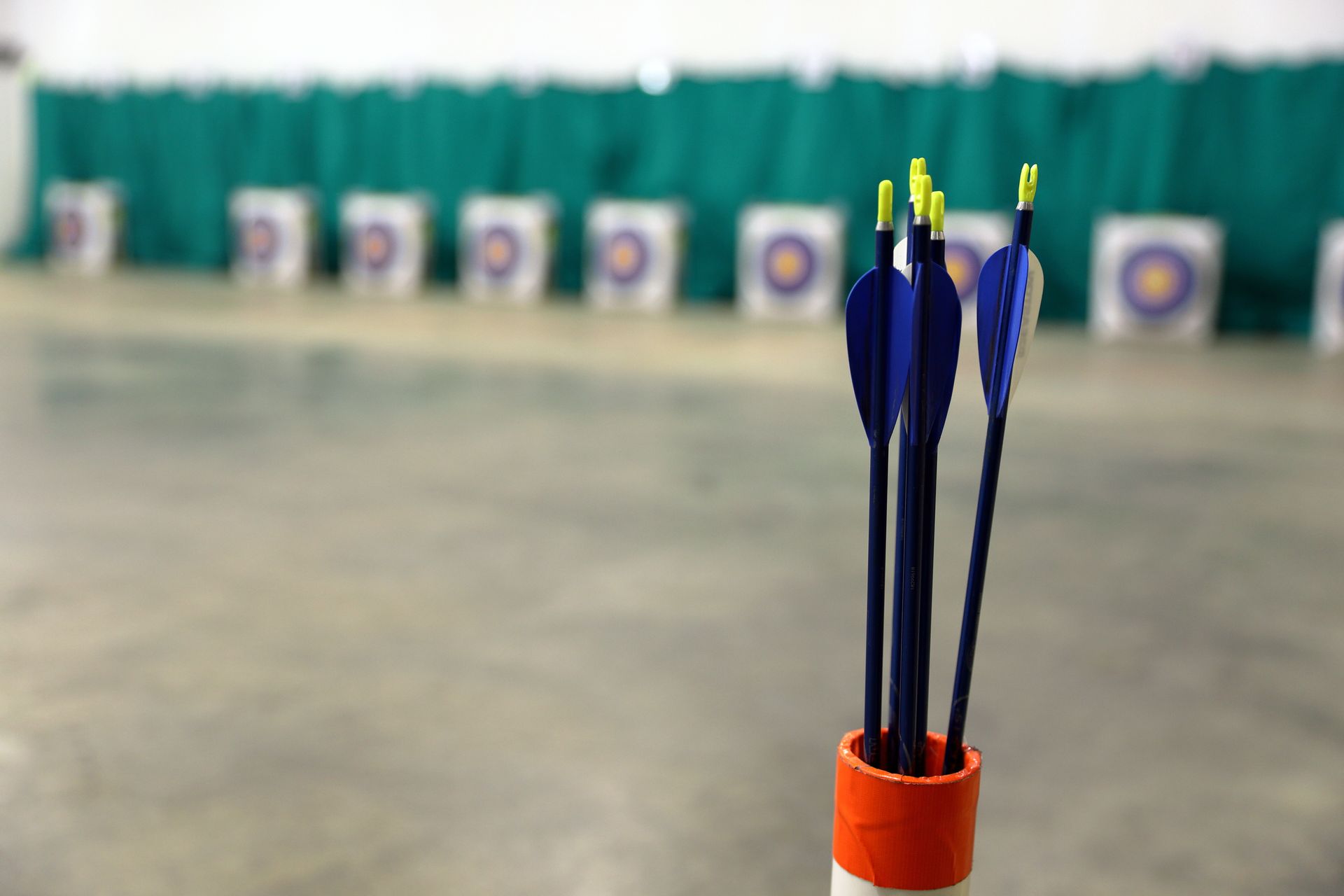
Nock fit should also be checked. If your nocks are too tight, too loose, cracked, or worn, your shots can become inconsistent. A damaged nock can be dangerous, especially if it fails during the shot. Every hunting arrow should be inspected before the season starts. Look for cracked shafts, bent inserts, loose vanes, and broadheads that do not spin true.
Broadhead flight problems are another sign your setup may need work. Many hunters shoot field points all summer, then discover their broadheads hit in a different place. This usually means the bow, arrows, or broadheads need tuning. Do not wait until the night before a hunt to test broadheads. Shoot them early enough to make adjustments.
Noise is another problem that can ruin a hunting opportunity. Deer are alert, and a loud bow can cause them to react before the arrow arrives. Listen for rattles, squeaks, string slap, or accessory vibration. Check the quiver, rest, sight, stabilizer, cable guard, and any dampening accessories. A quiet bow gives you a better chance in real hunting situations.
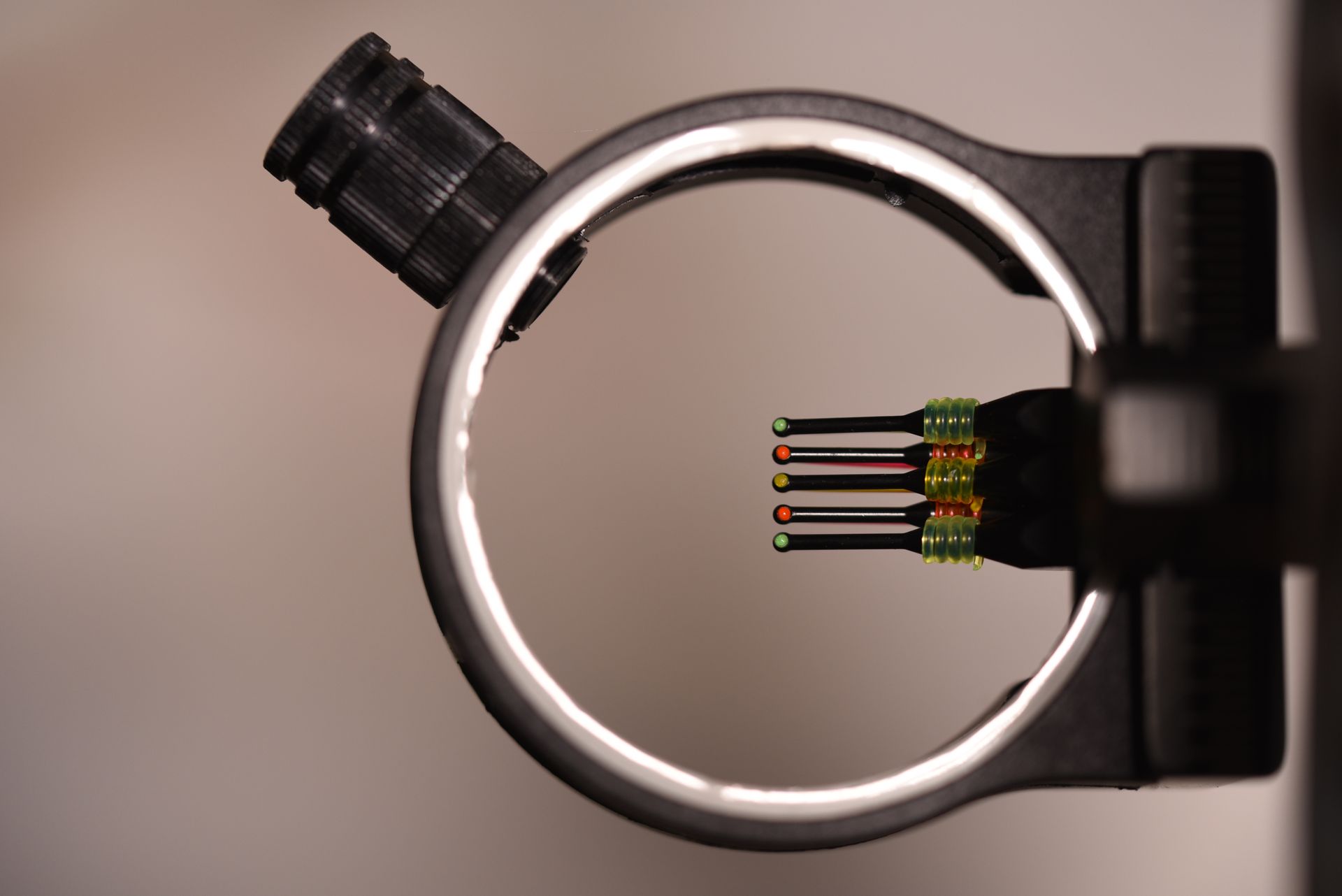
Sight issues are also common. Your pins may have shifted, fiber optics may be damaged, or your housing may not be level. If your groups are suddenly off, do not immediately blame your shooting. Confirm that your sight is secure and that nothing has moved. Once your bow is tuned, sight it in carefully and confirm your distances.
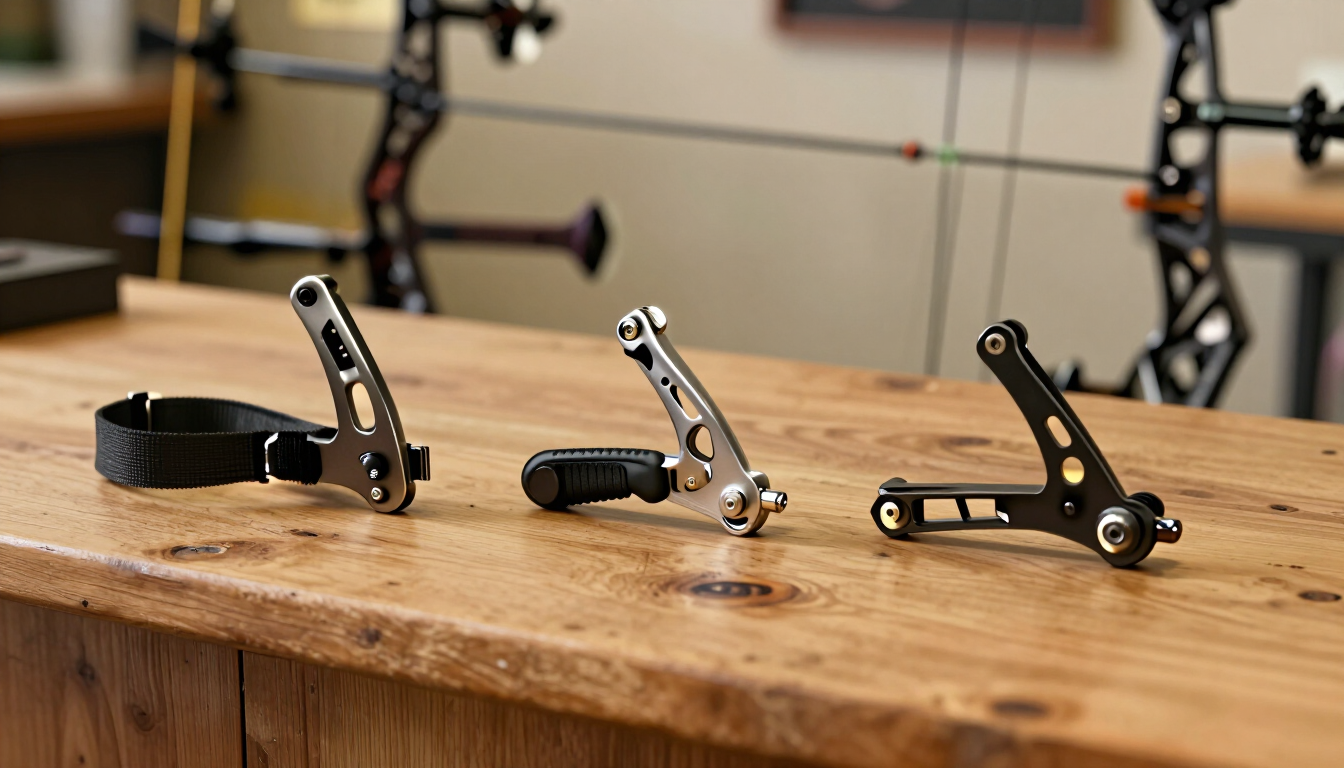
Some hunters also forget to check their release. A dirty, worn, or inconsistent release can affect shot execution. Make sure the trigger feels consistent, the strap or handle is in good condition, and the release connects properly to the D-loop. Your release is part of your full system, so it should be inspected along with the bow.
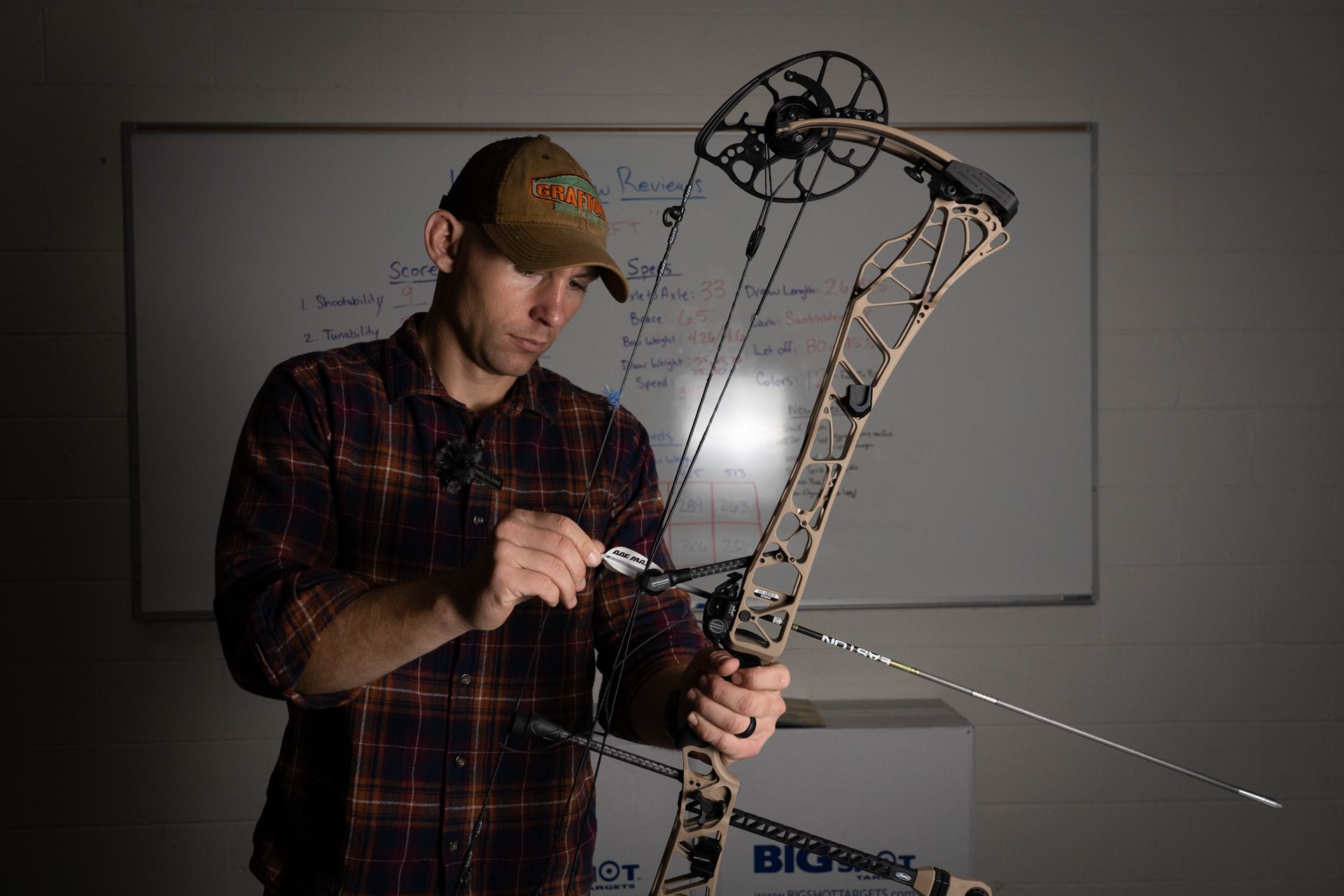
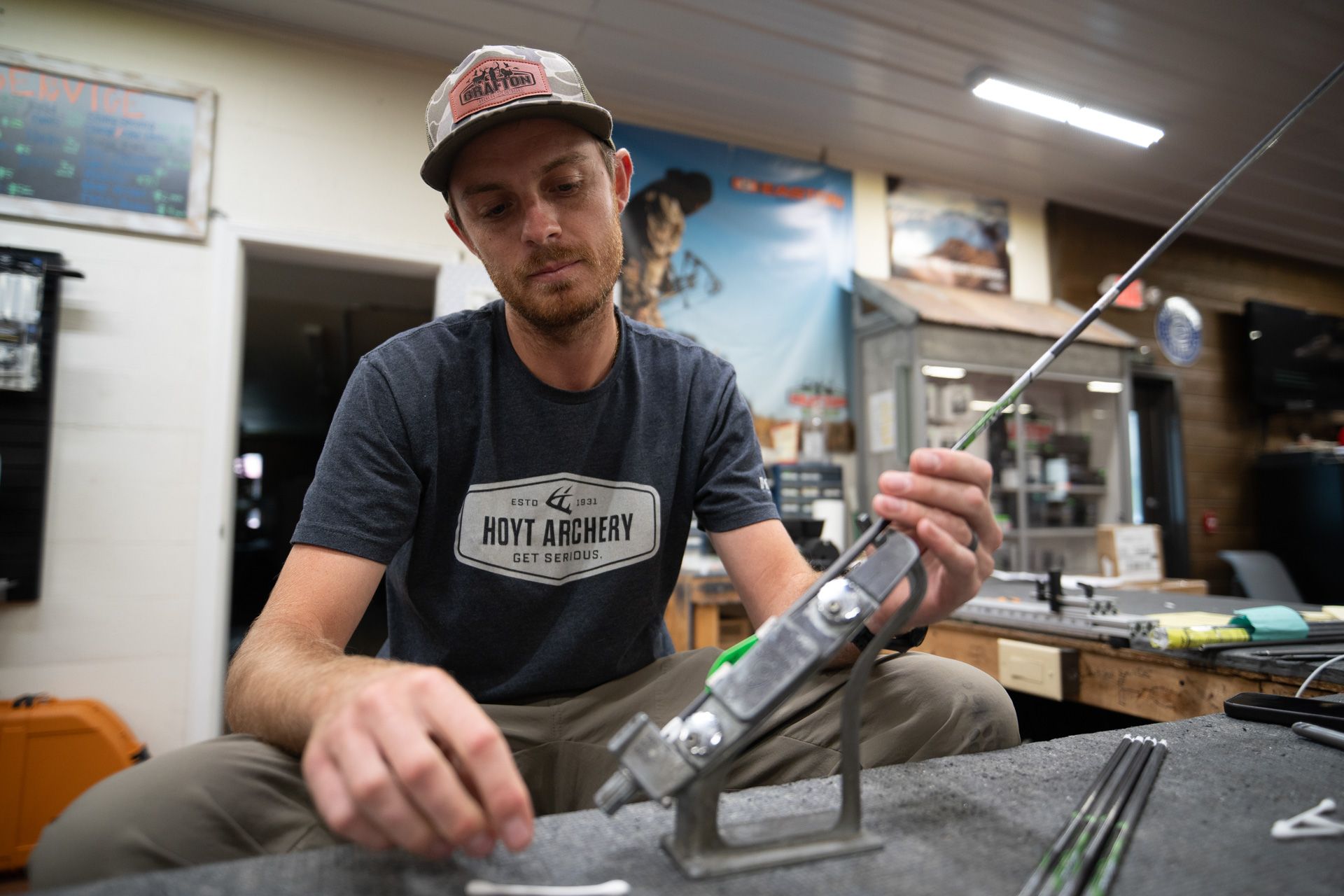
The best way to avoid preseason problems is to bring your bow in early for a professional inspection. A technician can look for issues you may miss and make sure your setup is safe, tuned, and ready. This is especially important if your bow has been stored for months, traveled in a case, or been shot heavily.
Grafton Archery & Outdoors in China Grove, NC can help hunters fix common bow problems before the season starts. From string inspection and bow repair to tuning, rest adjustment, arrow checks, and broadhead preparation, getting help early can save you from last-minute stress. Your bow should be one thing you trust when the moment matters.
Do not wait until opening week to find out something is wrong. Inspect your gear, shoot your setup, test your broadheads, and fix small problems before they become big ones. A prepared hunter has more confidence, and confidence matters when the shot finally comes.