How to Practice With Your Bow Before Hunting Season
Grafton Archery & Outdoors
Practicing with your bow before hunting season is about more than shooting a few arrows in the backyard. Bowhunting requires confidence, consistency, and preparation for real field conditions. When a deer steps into range, you may only get one clean opportunity. The way you practice before the season can determine how ready you feel when that moment comes.
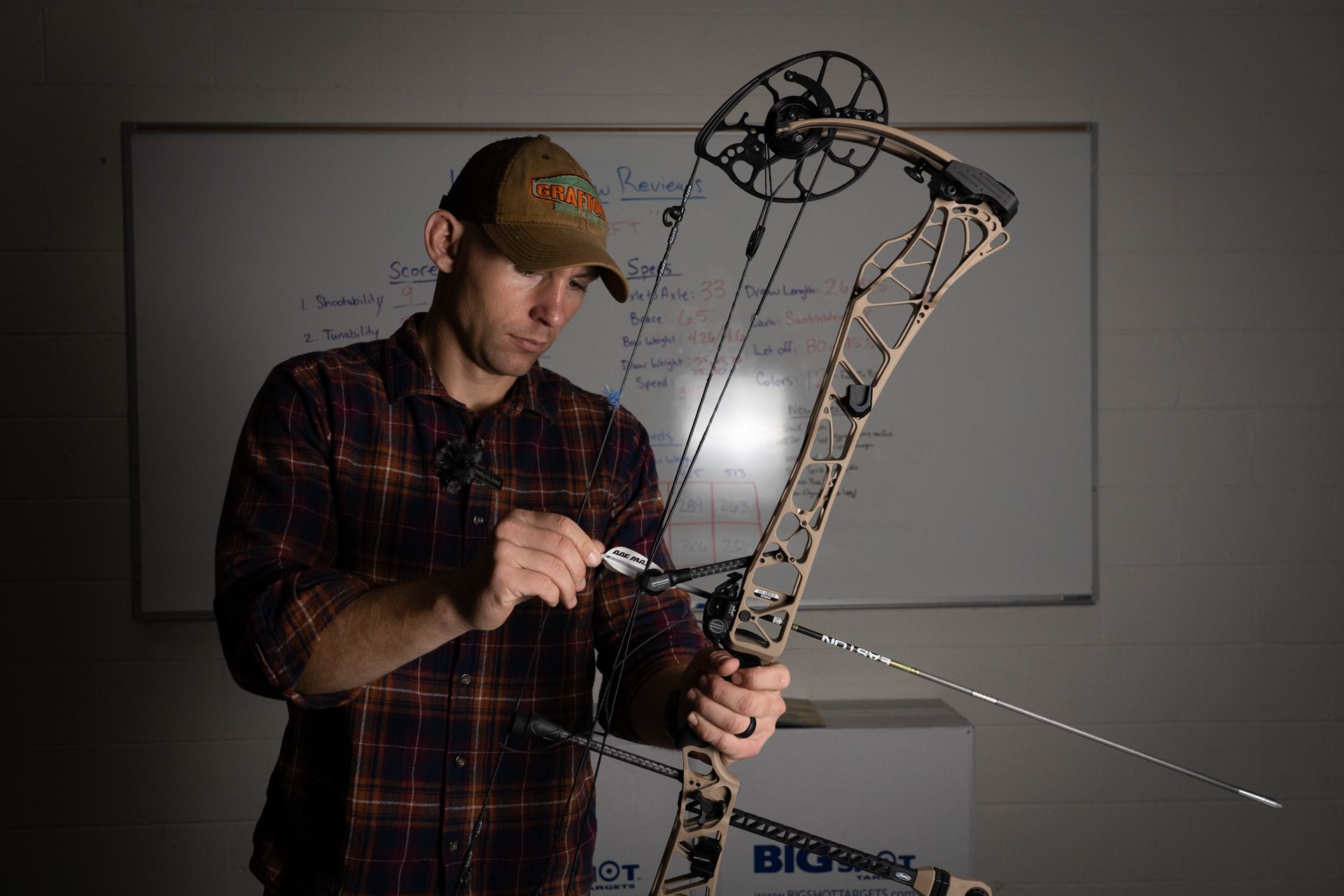
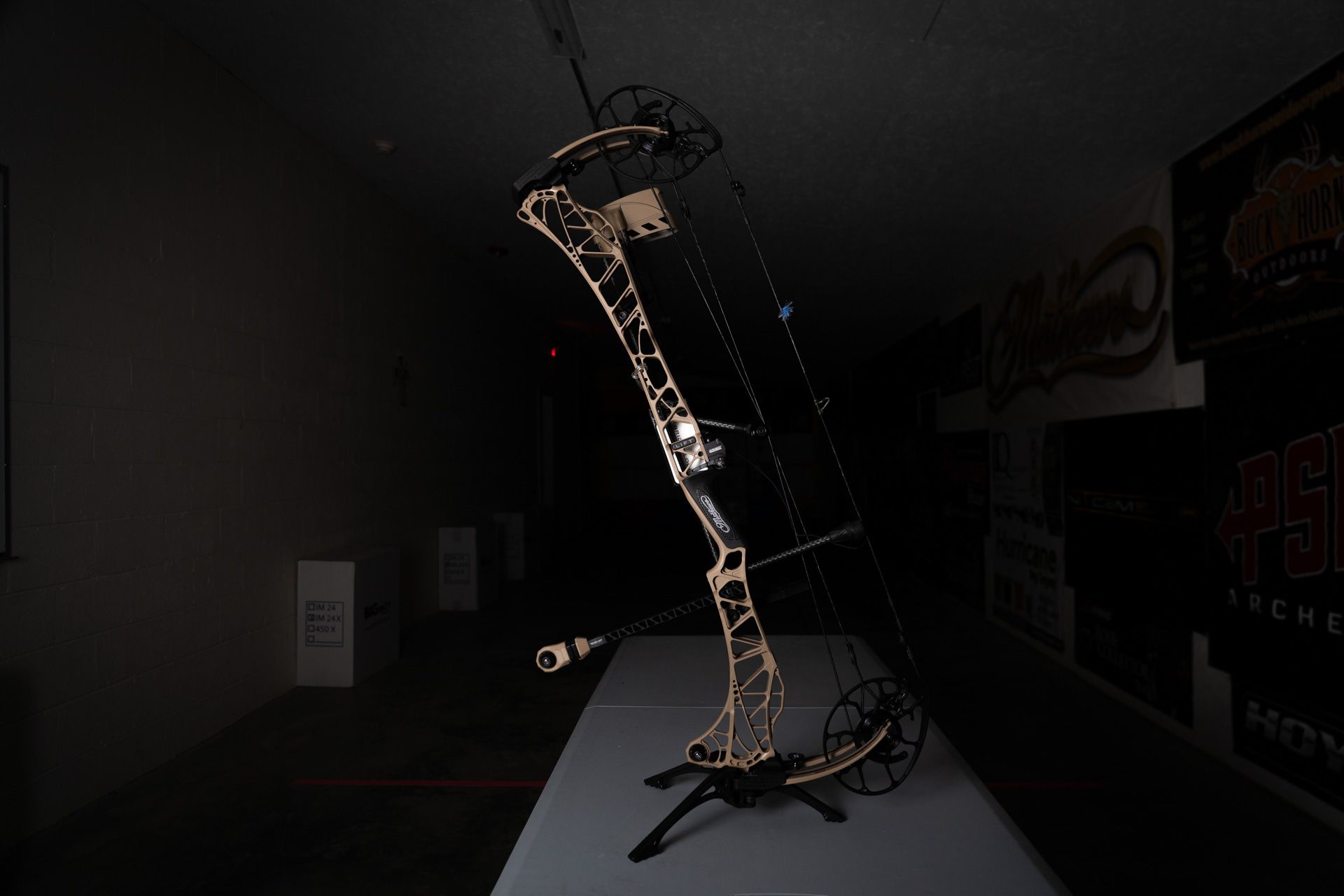
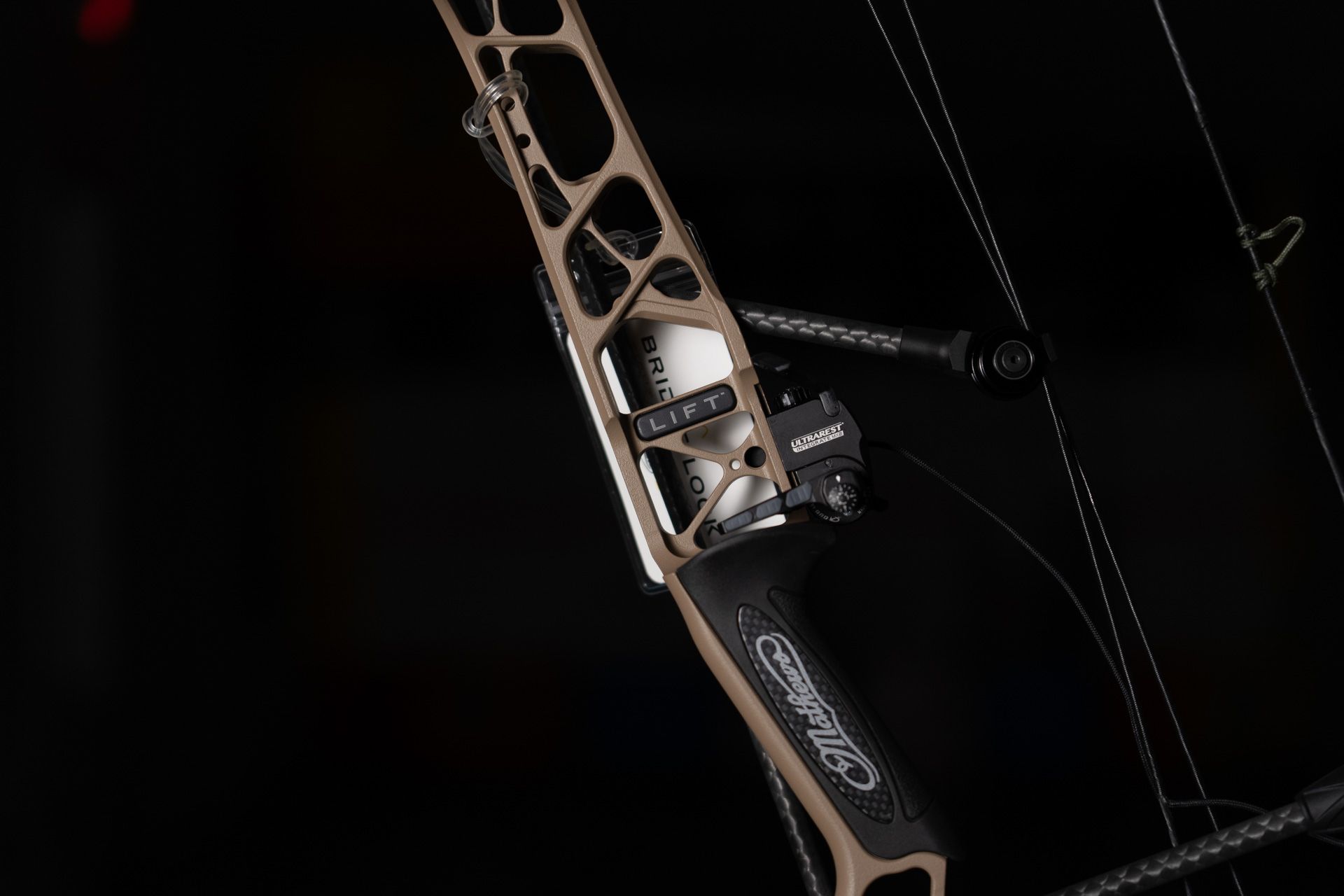
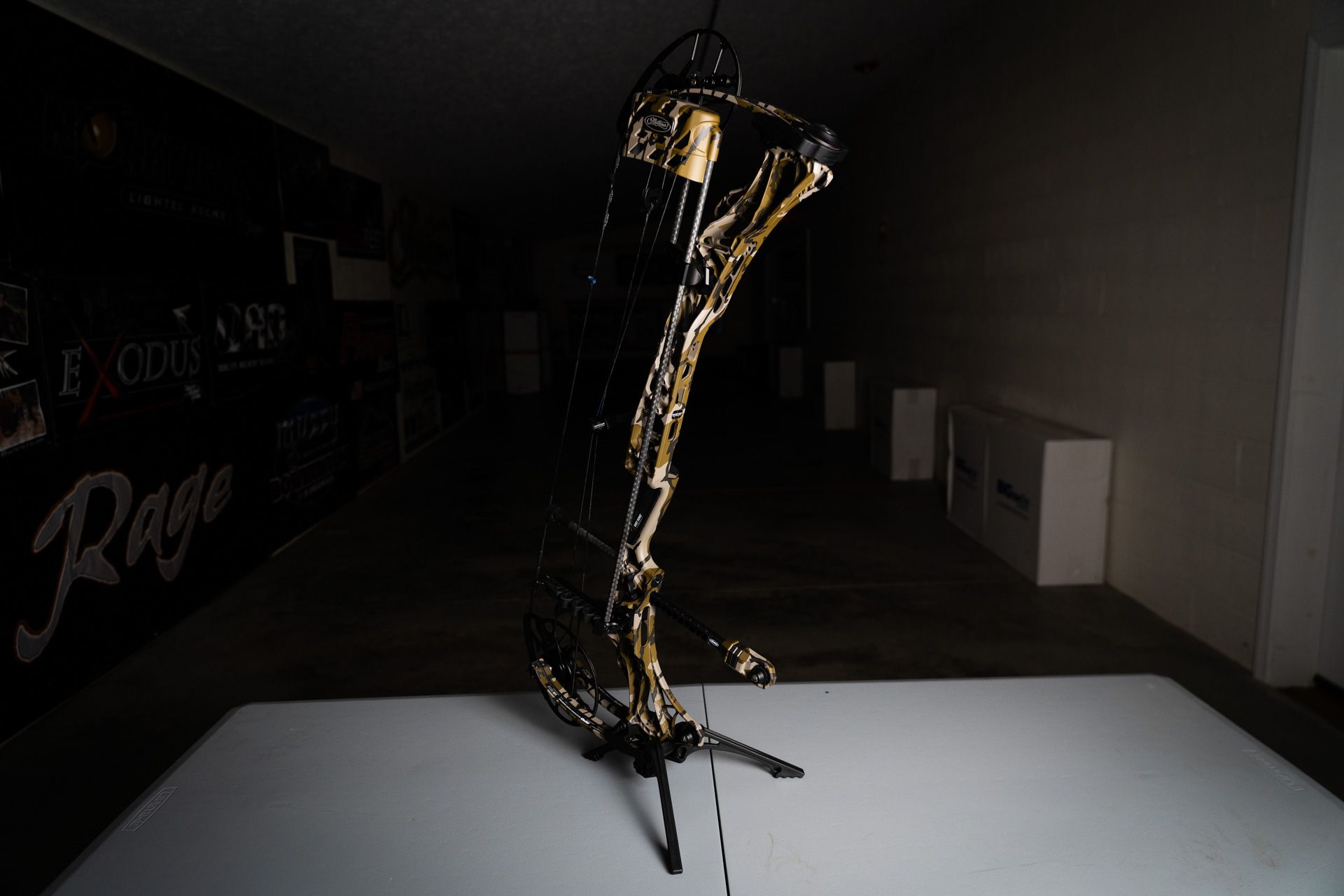
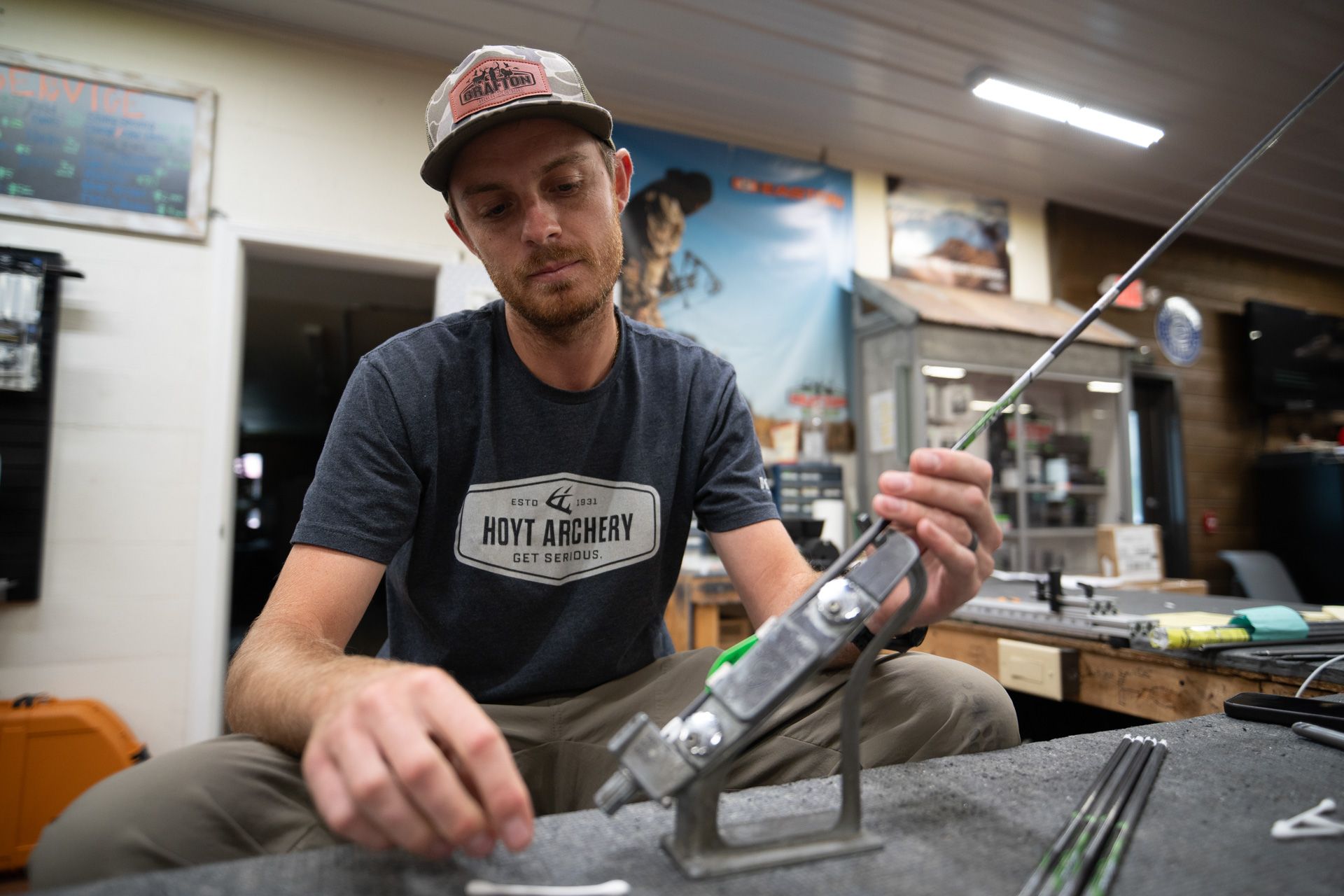
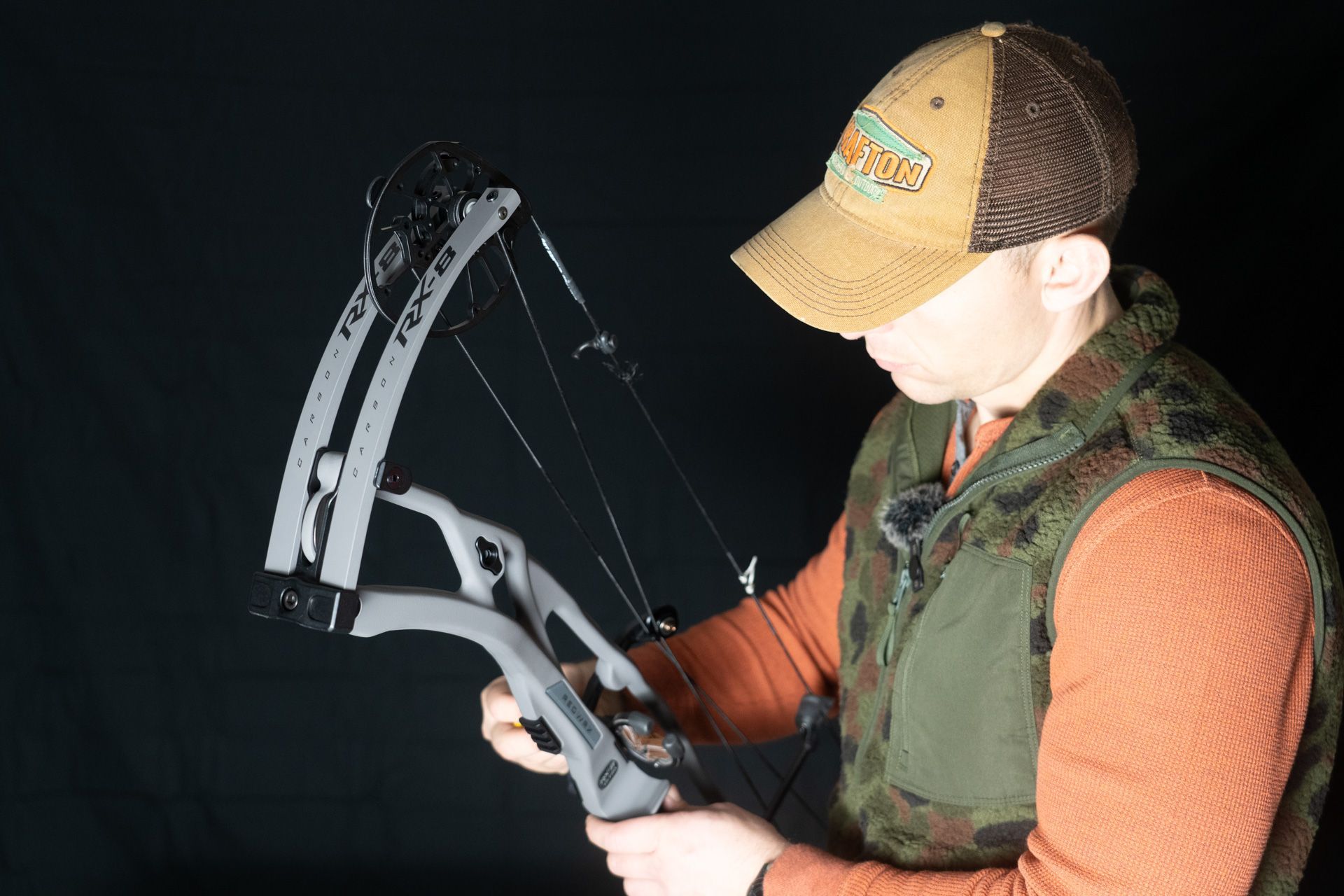
The first step is making sure your bow is properly tuned and sighted in. Practice will not help as much if your bow has equipment issues. Before building your routine, check your strings, cables, peep sight, rest, sight, arrows, and release. If anything feels off, fix it early. Once your bow is tuned and shooting consistently, your practice sessions become much more productive.
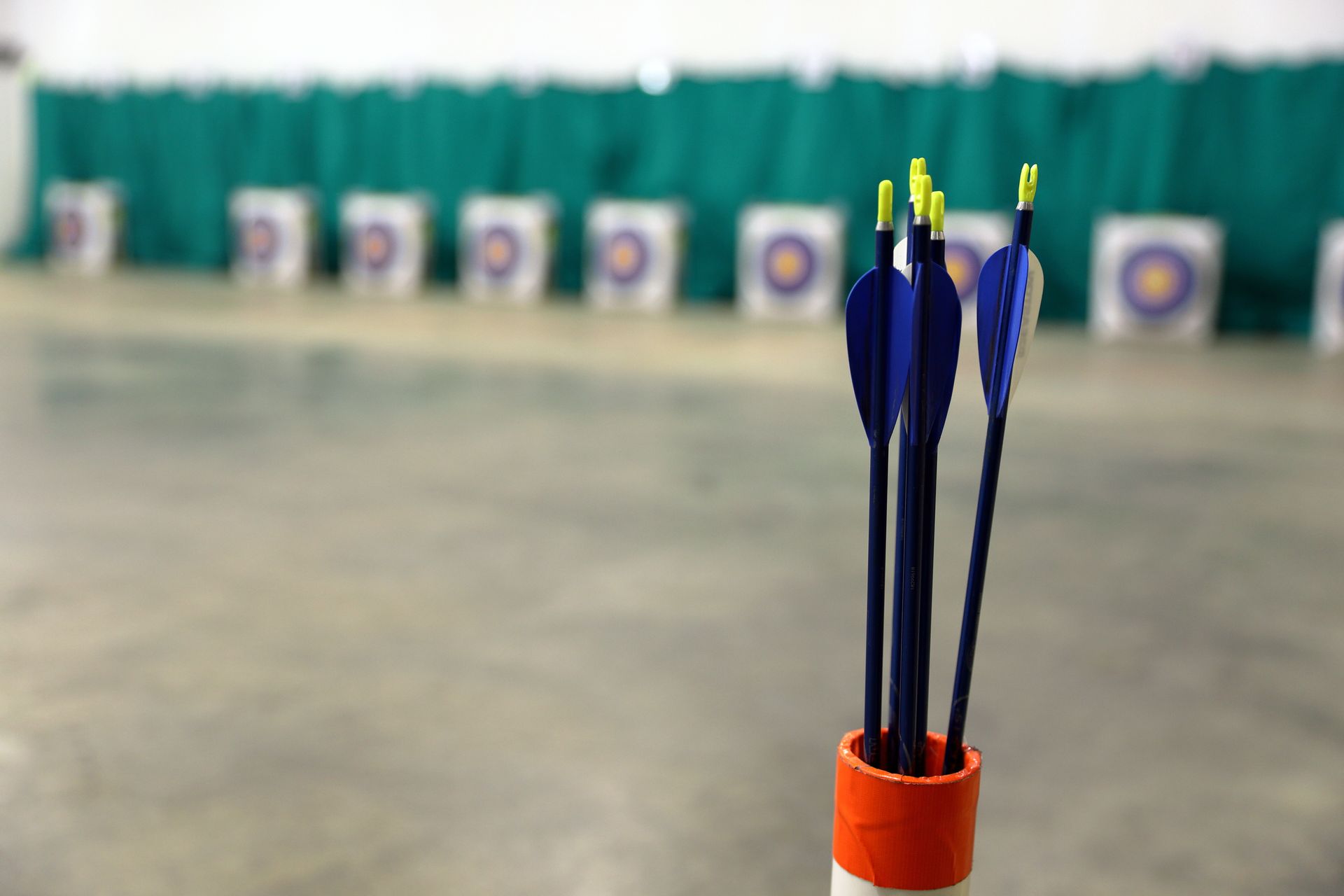
Start close before moving back. Many hunters want to immediately practice at longer distances, but close-range shooting helps build form and confidence. Begin at a short distance and focus on anchor point, grip, breathing, follow-through, and clean release execution. If your form is inconsistent at close range, those mistakes become bigger as you move farther away.
Once your groups are consistent, gradually increase distance. Practice at the ranges you expect to hunt, but also practice beyond them if you can do so safely. Shooting farther than your normal hunting distance can make closer shots feel more comfortable. However, long-distance practice should not make you take risky shots in the woods. Your hunting range should be based on your ability to make clean, ethical shots consistently.
One of the best ways to practice for hunting is to shoot one arrow at a time. When you shoot groups, it is easy to adjust after the first shot and settle in. In the woods, the first shot is the one that matters. Step up, range the target, draw, aim, and shoot one arrow with full focus. Then retrieve it and repeat. This creates pressure and helps you treat each shot like a real hunting opportunity.
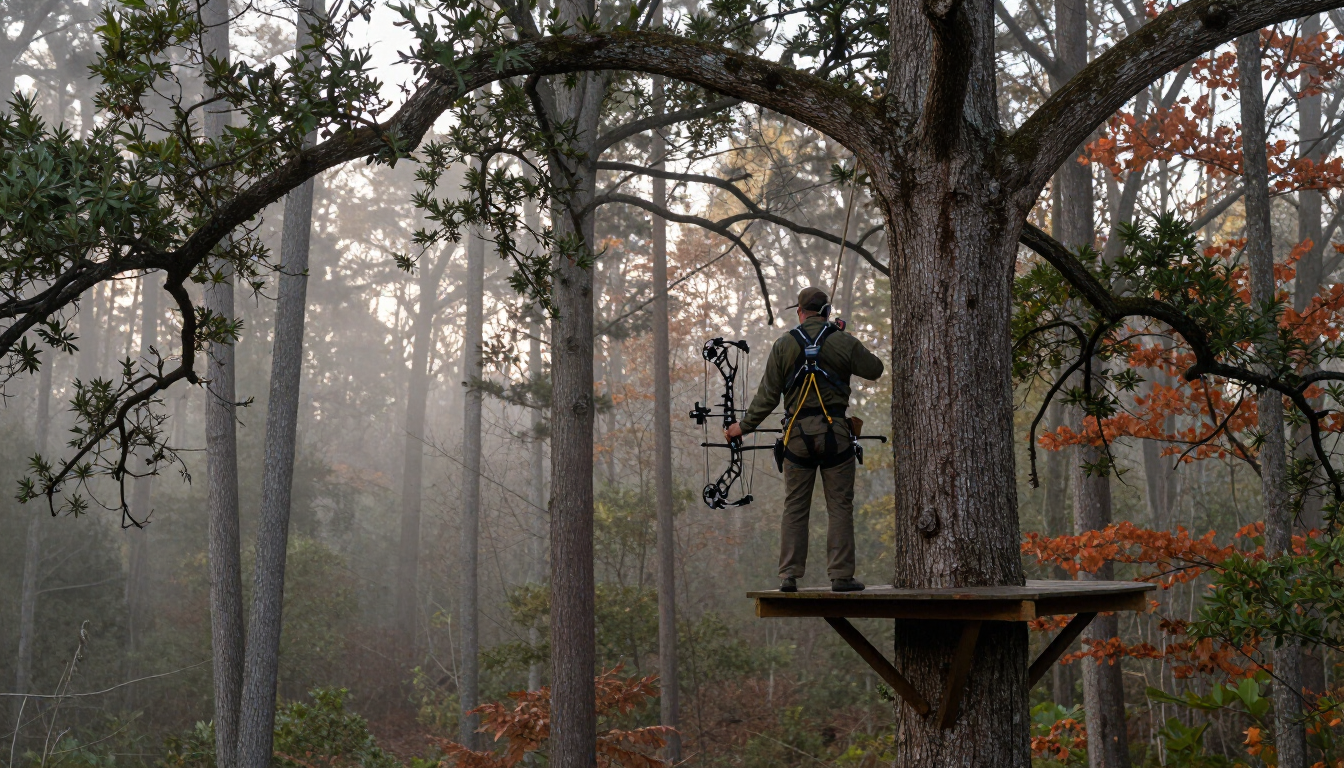
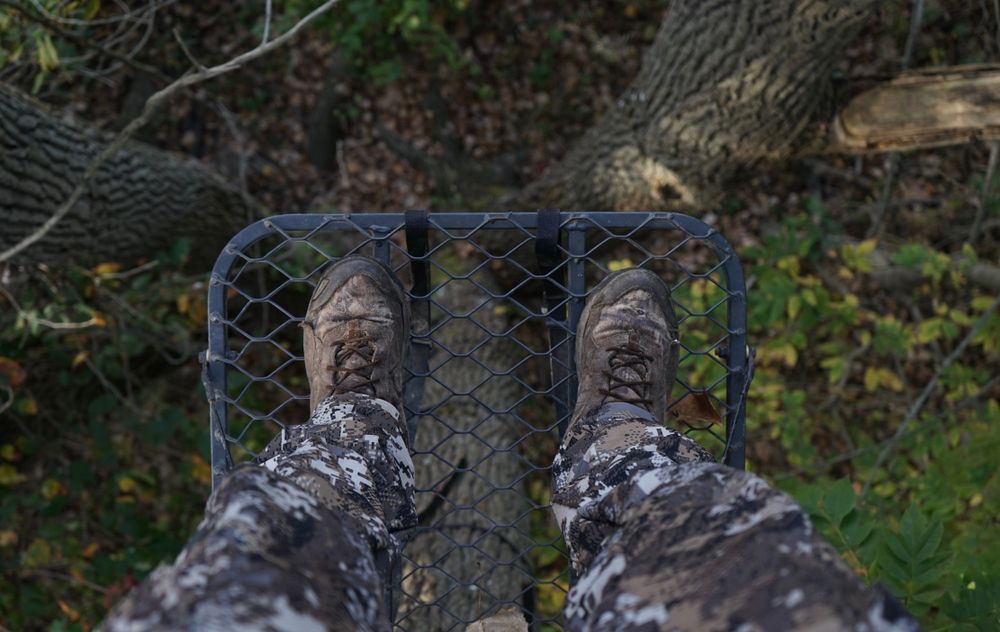
Practice from realistic positions. If you hunt from a treestand, practice from an elevated position when it is safe to do so. If you hunt from a ground blind, practice from a seated position. If you may need to shoot around cover, practice with controlled angles and body positioning. Bowhunting rarely happens with perfect footing, perfect posture, and a perfectly still target.
You should also practice in the clothing you plan to wear. Jackets, gloves, face masks, and safety harnesses can all change the way your shot feels. Bulky sleeves can interfere with the string. Gloves can change your grip or release feel. A harness can affect your draw movement. Do not wait until opening day to find out your hunting clothes create a problem.
Broadhead practice is essential. Field points are great for regular practice, but you need to shoot the broadheads you plan to hunt with before the season starts. Broadheads can hit differently if your bow is not tuned correctly. Shoot them into a proper broadhead target and confirm your point of impact. If they do not match your field points, your setup may need tuning.
Practice judging distance, even if you use a rangefinder. In hunting situations, you may not always have time to range every movement. Learning what 20, 30, and 40 yards look like in wooded conditions can help you make faster decisions. Use your rangefinder to check yourself, then shoot with confidence once you know the distance.
Add light pressure to your practice. Instead of casually shooting arrow after arrow, give yourself small goals. For example, decide that your first arrow must hit inside a certain area before you move back. Or shoot one arrow at each distance and score yourself. This helps create a little pressure and makes practice feel more like hunting.
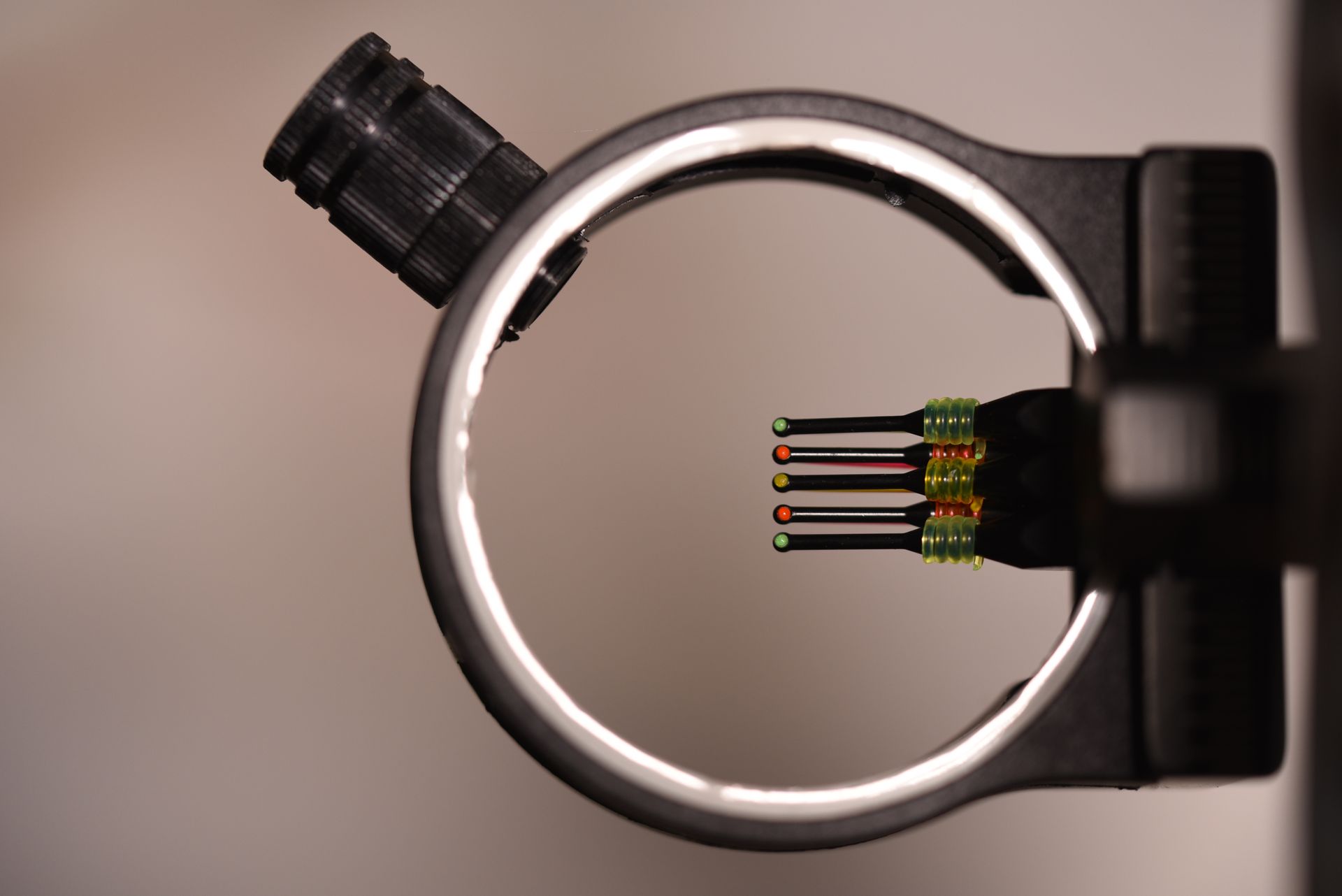
Do not ignore low-light practice. Many deer encounters happen early in the morning or late in the evening. Practice during legal and safe lighting conditions so you understand how your sight pins, peep, and target visibility change. Make sure your sight is easy to see and that your peep alignment still feels natural.
Strength and endurance matter too. Drawing your bow once may feel easy, but drawing after climbing into a stand, sitting for hours, or wearing heavy clothing can feel different. Practice enough to build confidence, but avoid overtraining to the point that your form breaks down. Quality practice is better than simply shooting a large number of arrows.
Keep your practice ethical. Know your personal limit and respect it. If you cannot consistently place arrows in the kill zone at a certain distance during practice, that distance should not be your hunting distance. Bowhunting requires discipline, and passing on a shot can be the right decision.
As the season gets closer, inspect your gear regularly. Check broadheads for sharpness, arrows for cracks, nocks for damage, and accessories for loose screws. A strong practice routine should include equipment checks as well as shooting. Confidence comes from knowing both you and your bow are ready.
Grafton Archery & Outdoors in China Grove, NC can help you prepare before hunting season with bow tuning, arrow setup, broadheads, accessories, and expert advice. Practicing the right way helps you walk into the woods with confidence. When the opportunity comes, you want your equipment ready, your form steady, and your mind focused.