Treestand and Saddle Safety: A Pre-Season Checklist Before Your First Sit
Grafton Archery & Outdoors
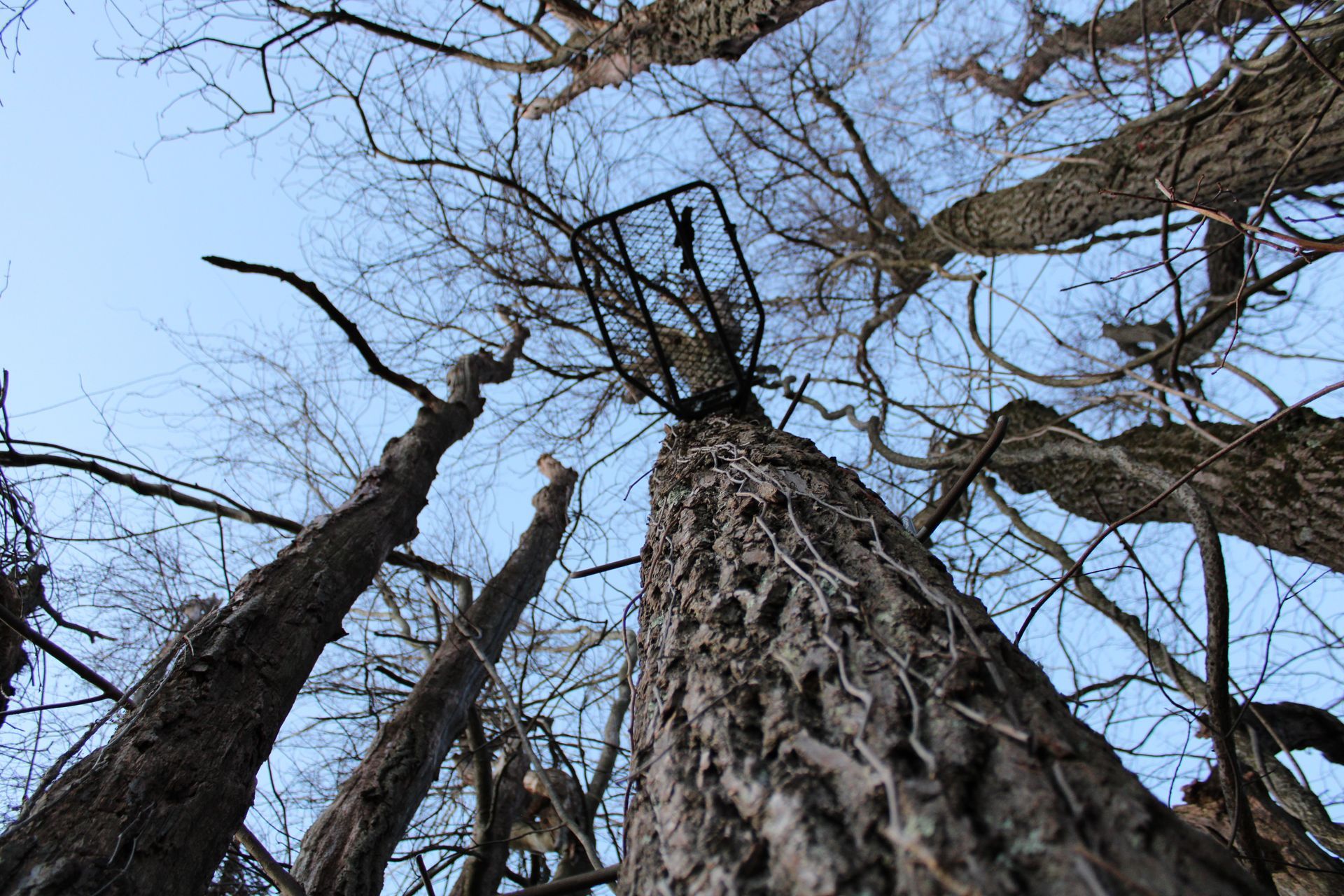
Most treestand and saddle incidents don't happen because gear fails outright — they happen because a harness wasn't on, a connection point wasn't checked, or straps that sat in a garage all summer had quietly worn through. Before your first sit this season, run through your setup the same way you'd check your bow before opening day.
Why a Five-Minute Check Matters
Gear that sat in a shed, garage, or truck bed all summer goes through a lot: heat, humidity, UV exposure, the occasional chew from something that got into the shed. None of that shows up until you're depending on a strap or a buckle at height. A pre-season check isn't about assuming your gear failed — it's about confirming it's still exactly as good as it was the day you bought it.
The One Rule That Doesn't Change
Wear a full-body harness, attached from the moment your feet leave the ground until they're back on it. Not just once you're settled at height — the climb up and down is when most falls actually happen. If your harness has been in a bag since last November, check the webbing for fraying, the buckles for corrosion, and the tether for any cuts before you trust it with your life again.
Inspecting Your Stand or Platform
Whether you're running a hang-on stand, a ladder stand, or a mobile platform, give it a real inspection before the first climb:
- Check all straps and chains for fraying, rust, or UV damage from sitting outside all summer
- Make sure every bolt and strap buckle is tight and none have worked loose
- Look for cracked welds or bent metal on the platform itself
- Confirm the stand is rated for your weight plus your gear
If anything looks questionable, replace it. A stand strap costs a few dollars. A fall doesn't.
Climbing Sticks and Attachment Points
Climbing sticks take a beating — they get strapped to trees in the rain, dragged through brush, and stacked in a truck bed all summer. Before the season starts, check every strap, every step, and every connection point where one stick locks into the next. GRiT Climbing Sticks are built for hunters who move often, but "built tough" still doesn't mean "check-free" — run your hands over every strap before you trust your weight to them.
Saddle-Specific Checks
Saddle hunting has grown fast because it lets hunters move with the wind and hunt trees that never would have worked with a traditional stand. That mobility comes with its own checklist:
- Inspect your tether and bridge for fraying or stretched stitching
- Check your lineman's rope and prusik knot for wear
- Make sure your tree strap is rated properly and shows no cracking or stiffness from age
- Confirm your saddle's leg straps and waist belt still buckle securely with no slippage
A complete kit like the GRiT Workhorse Saddle Kit pairs the saddle, platform, and connection hardware together, which makes it easier to keep track of what needs checking each season instead of piecing together components from different systems.
Practice on the Ground First
If you're new to a saddle or switched to a different platform this year, don't make your first attempt at hanging in it thirty feet up a tree. Set it up in the yard, get comfortable with the buckles and the hang, and practice standing up and repositioning at a safe height close to the ground before you take it to full height in the woods.
Building the Habit Into Your Pre-Season Routine
Treestand and saddle checks belong right alongside the rest of your pre-season prep. Our complete pre-season checklist and accessory pack guide both cover the gear side of getting ready; add a five-minute safety check to that list every single year, even with equipment you trust.
We've spent three decades helping hunters gear up right at our shop in China Grove, North Carolina — read more about us here. Browse our full saddle hunting lineup online, and if you're local, stop in and we'll walk through fit and setup with you in person before you ever leave the ground.