How to Choose the Right Arrows for Your Bow Setup
Grafton Archery & Outdoors
Choosing the right arrows is one of the most important parts of getting your bow to shoot accurately. Many hunters and target shooters spend a lot of time thinking about the bow, sight, rest, and release, but the arrow is what actually carries the shot to the target. If your arrows are not matched to your bow setup, you may struggle with poor flight, inconsistent groups, weak penetration, or broadheads that do not hit where they should.
The first thing to understand is arrow spine. Arrow spine refers to how much an arrow flexes. Every arrow bends when it is shot, and that flex needs to match the force of the bow. If the arrow is too weak or too stiff for your draw weight, draw length, arrow length, and point weight, it may not recover properly in flight. This can lead to erratic arrow movement and poor accuracy.
Draw weight plays a major role in arrow selection. A bow set at a higher draw weight generally needs a stiffer arrow than a bow set at a lower draw weight. Draw length also matters because a longer draw usually stores more energy and puts more force into the arrow. That is why two hunters shooting the same bow model may still need different arrows.
Arrow length is another factor that affects performance. Arrows that are too long or too short can change spine, safety, and tuning. An arrow should be cut to a safe and proper length based on your draw length, rest setup, and intended use. Cutting arrows without understanding the full setup can create problems, especially for hunters using broadheads.
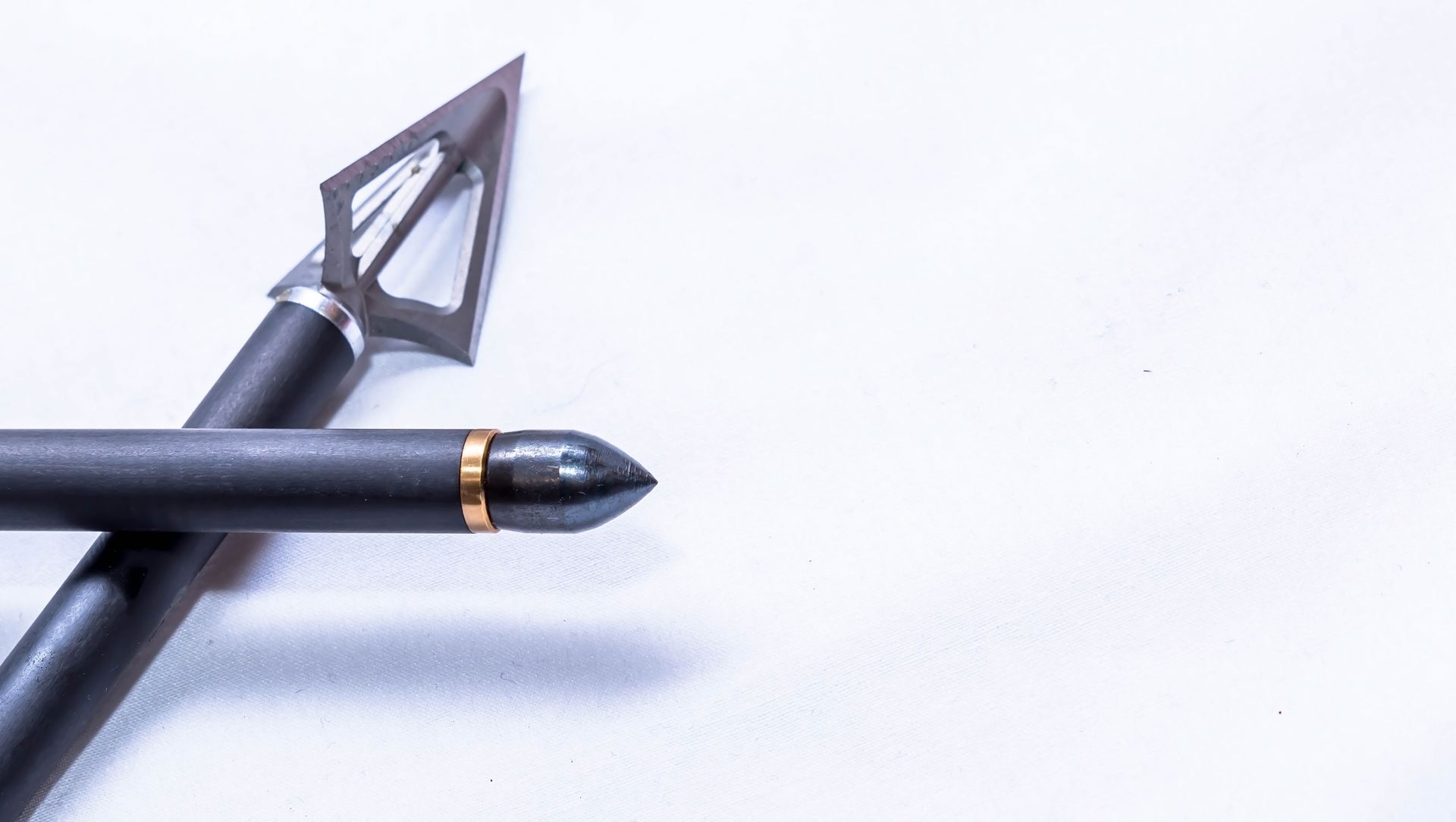
Point weight also changes how an arrow behaves. Many hunters use 100 grain or 125 grain tips, but changing point weight affects dynamic spine and front-of-center balance. A heavier point can improve penetration and arrow momentum, but it may also require a stiffer arrow. Before switching broadhead weight, it is smart to make sure your arrows are still a good match for your bow.
Hunters should also think about total arrow weight. A lighter arrow may shoot faster and create a flatter trajectory, but a heavier arrow can carry more momentum and may improve penetration. For deer hunting, many bowhunters prefer a balanced setup that gives them good speed, strong impact, and consistent broadhead flight. The right answer depends on the bow, the hunter, and the type of hunting being done.
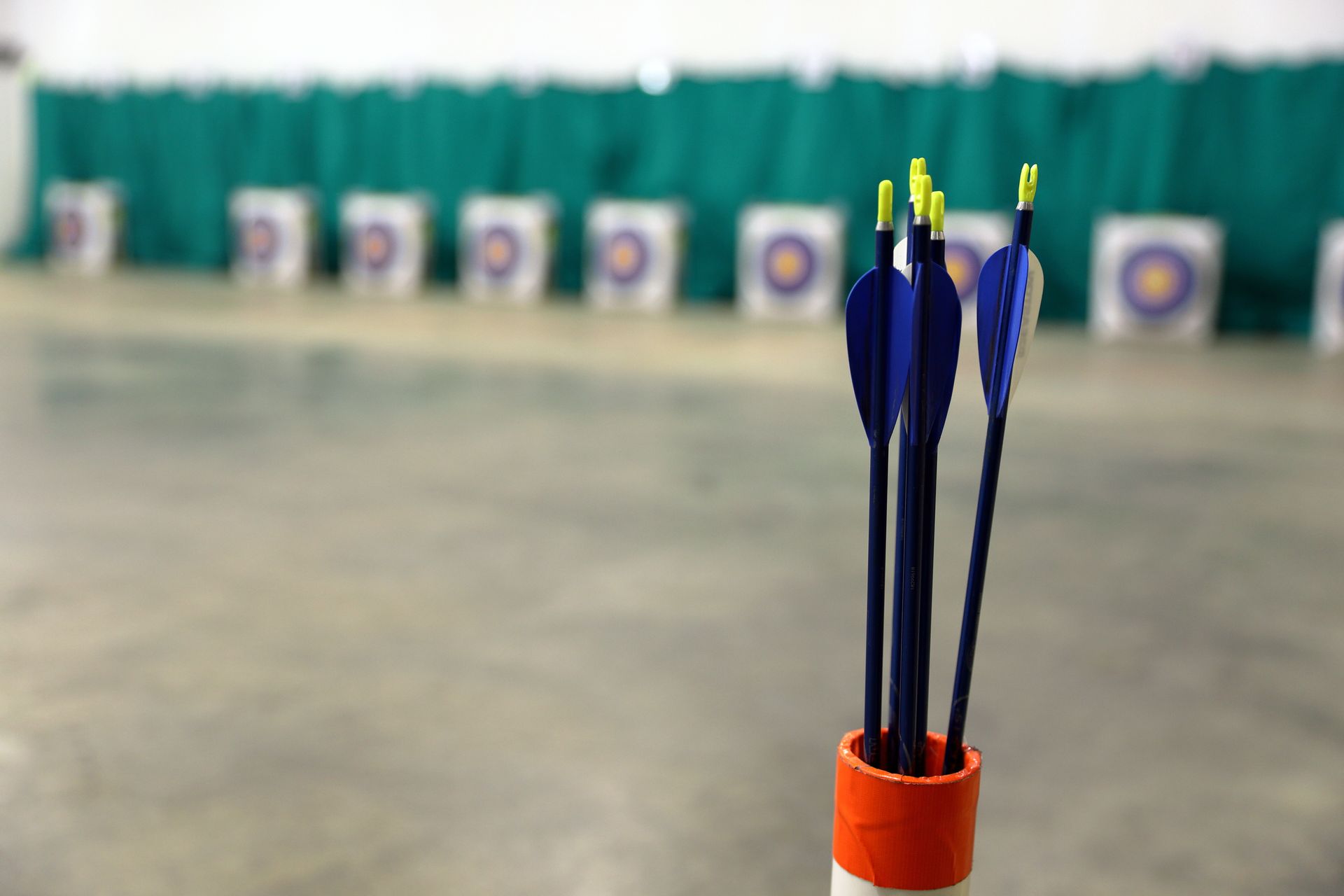
The type of arrow matters too. Some arrows are designed more for target shooting, while others are built for hunting. Hunting arrows are often selected for durability, straightness, penetration, and broadhead performance. Target arrows may prioritize consistency and precision for repeated shooting. If you use your bow for both, you may need to decide whether one arrow setup can handle both jobs or if separate setups make more sense.
Straightness tolerance is another detail you may see when shopping for arrows. Arrows are often sold with different straightness ratings, such as .006, .003, or .001. A tighter tolerance can offer more consistency, especially for experienced shooters, but it may also cost more. For many hunters, a good mid-range hunting arrow that is properly matched and tuned can perform very well.
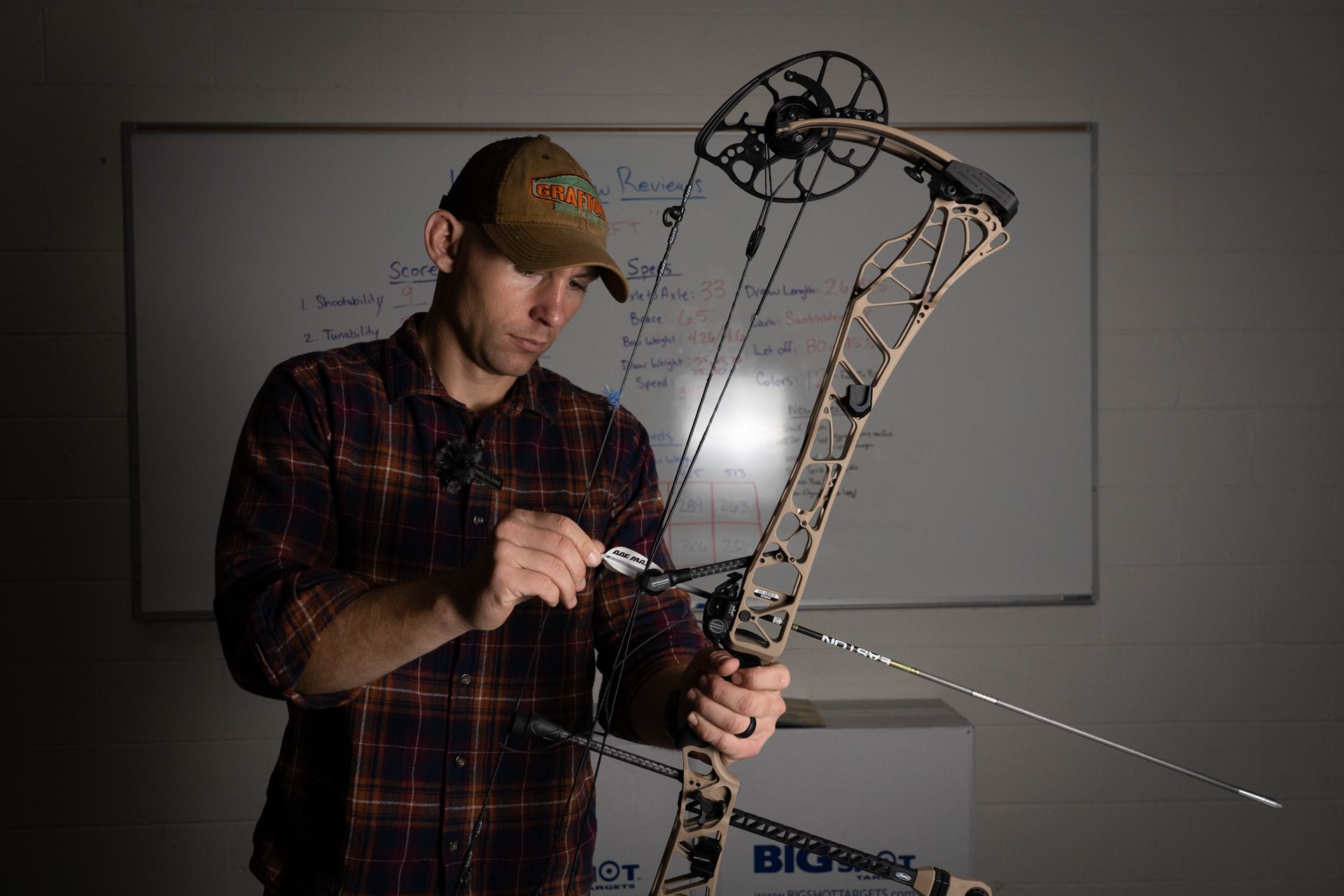
Nocks and inserts should not be ignored. A cracked nock can create dangerous and inconsistent shots. Inserts need to be installed straight and securely so broadheads spin true. If your broadhead wobbles when you spin the arrow, it may not fly correctly. Before hunting season, every arrow should be inspected for cracks, loose inserts, damaged vanes, and worn nocks.
Vane style also affects arrow flight. Vanes help stabilize the arrow, especially when shooting broadheads. Some hunters use larger vanes or helical fletching to improve broadhead control. Others prefer lower-profile vanes for speed and clearance. The best choice depends on your rest, broadhead type, and tuning needs.
It is also important to test your arrows after they are selected. Even if the chart says an arrow is correct, your actual setup still needs to be verified. Shoot field points first, then test your broadheads. If your arrows are not grouping well, the issue may be spine, rest position, bow tune, or form. A good archery technician can help identify the difference.
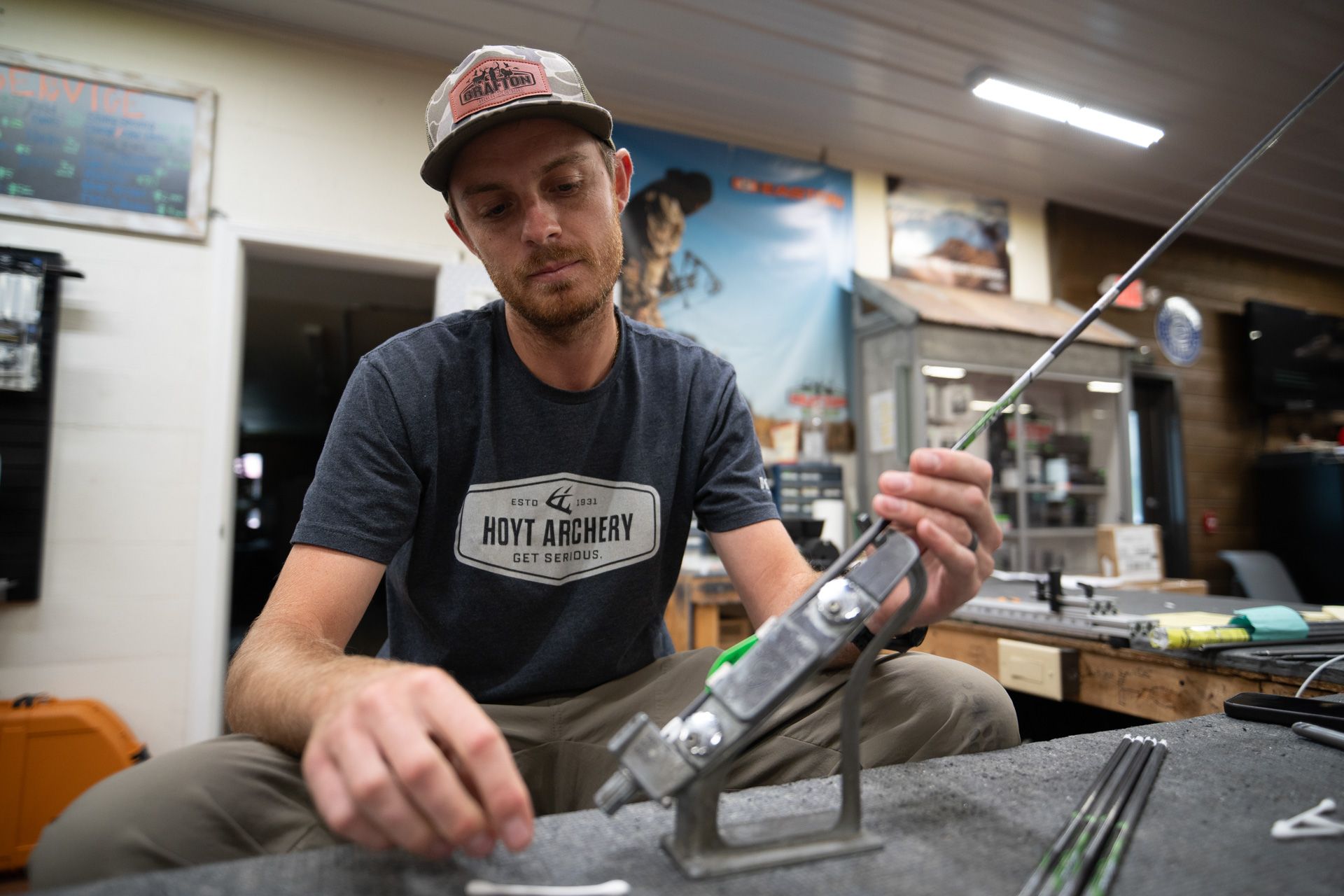
Buying arrows online without setup guidance can be risky because small details matter. The wrong spine, length, insert, or point weight can make your bow harder to tune. Working with a local archery shop helps ensure your arrows are selected, cut, built, and tested for your specific bow.
If you are in or near China Grove, NC, Grafton Archery & Outdoors can help you choose the right arrows for your bow setup. Whether you are getting ready for deer season, upgrading your hunting arrows, or trying to improve accuracy, the right arrow makes a major difference. A bow is only as good as the arrow it sends, so make sure your setup is built the right way.