Scent Control Basics for Early Season Whitetail Hunts in NC
Grafton Archery & Outdoors
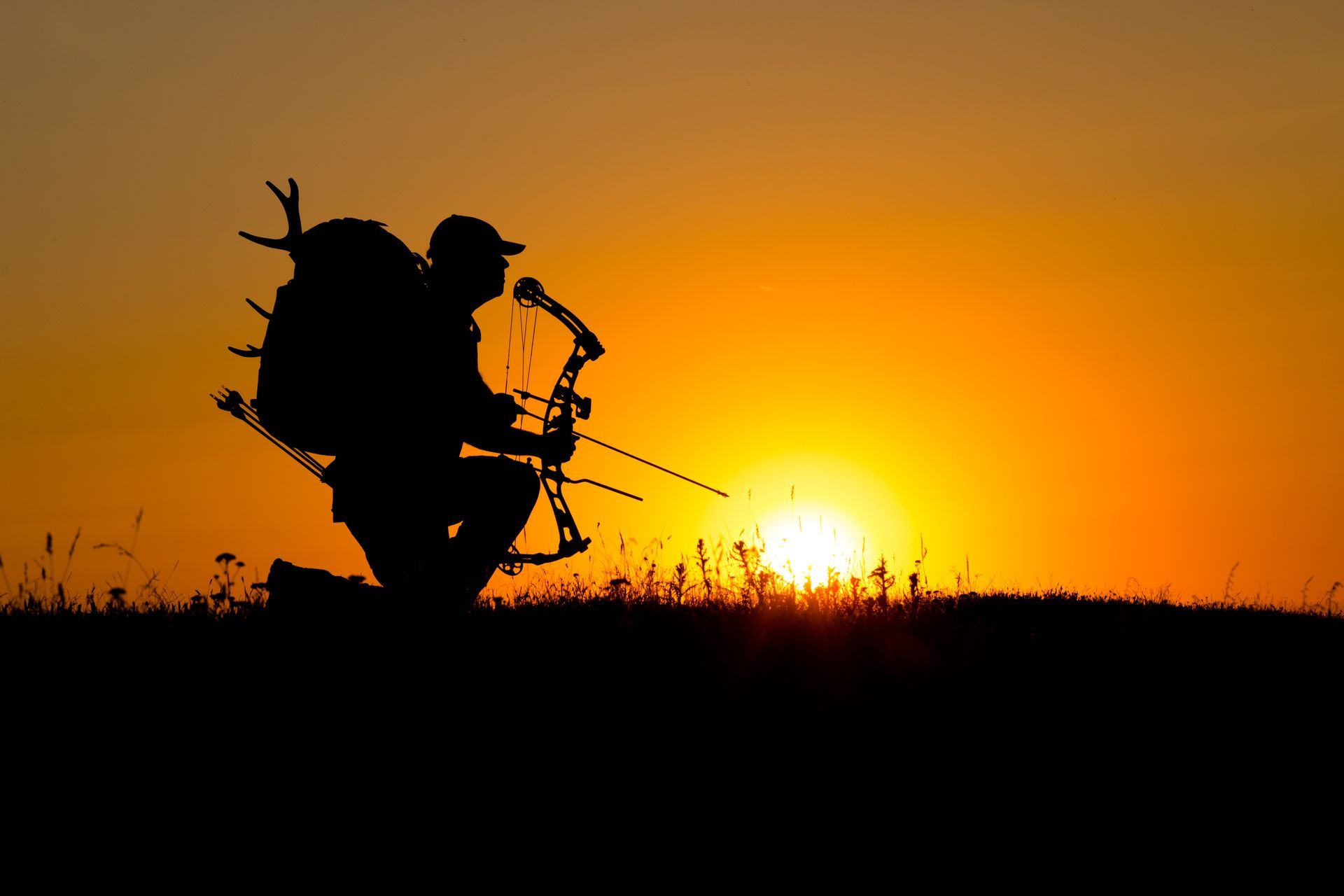
Early season whitetails in the Piedmont are still on comfortable summer patterns, but they haven't forgotten what a human smells like. Between the heat, the humidity, and thermals that swirl instead of behaving, keeping your scent out of a deer's nose is one of the harder parts of hunting September and early October here. This is what actually matters, and what doesn't.
Why Early Season Scent Control Is Different
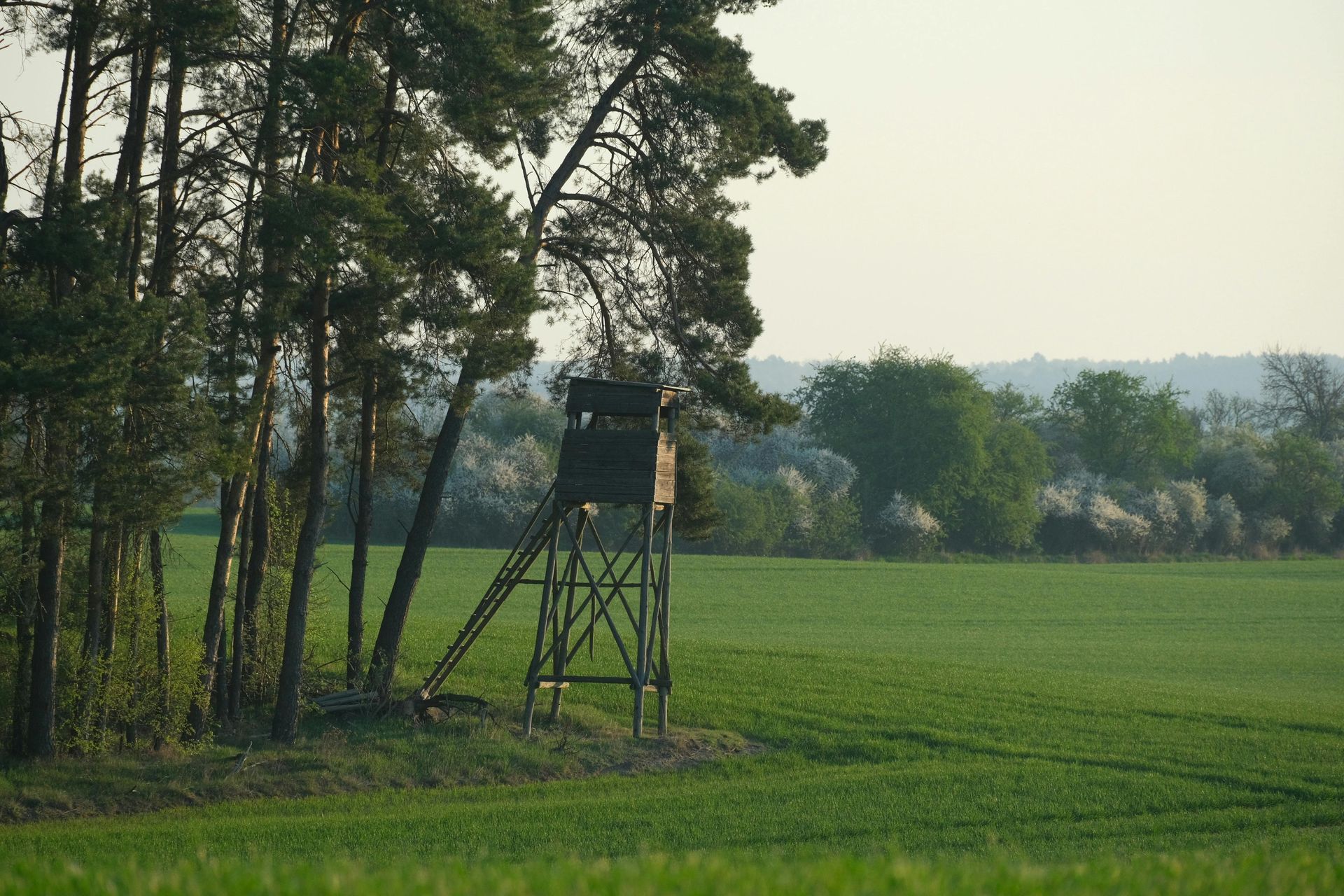
Late-season cold fronts do a lot of the work for you — they stabilize wind and knock down humidity. Early season doesn't offer that favor. Warm mornings hold scent low and let it hang, and unpredictable thermals can carry your smell in a direction you didn't plan for. The wind forecast on your phone is a starting point, not the whole answer — what the air is actually doing at ground level in a hardwood bottom can look completely different than what's happening in an open field.
Start With the Basics: Storage and Laundry
Before anything else, the fundamentals still carry the most weight:
- Wash hunting clothes in scent-free detergent and skip the scented dryer sheet
- Store clean clothes in a sealed container or bag, not hanging with everyday clothes
- Shower with scent-free soap and skip scented deodorant, shampoo, and lotion on hunt mornings
- Keep boots separate from the truck cab and gas station stops on the way to the woods
None of this is complicated. It's just easy to skip when you're rushing to beat first light, and skipping it is usually where a hunt goes wrong before it even starts.
Play the Wind, Not Just the Product
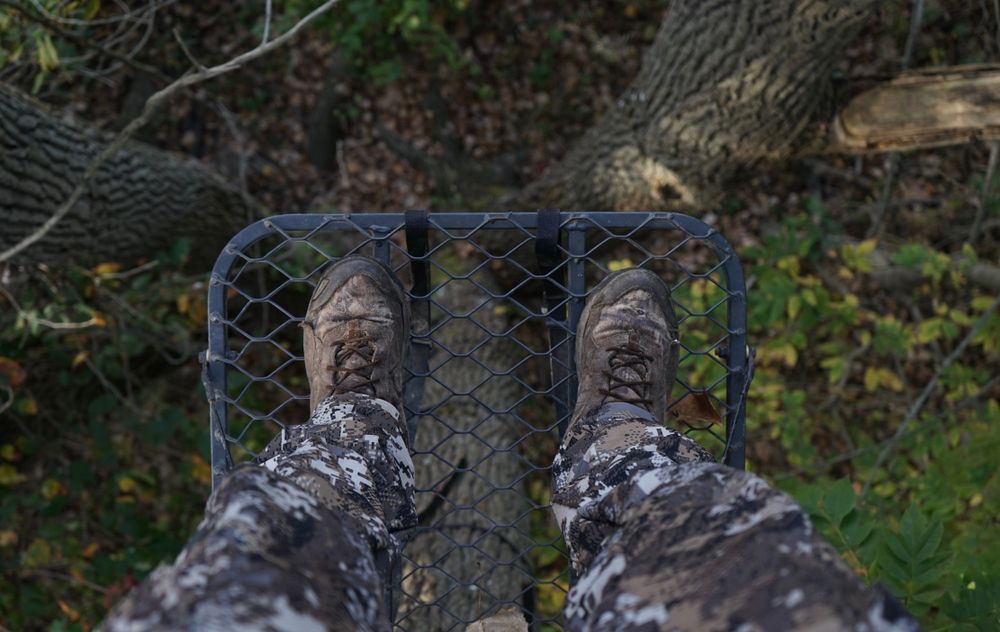
No spray, cover scent, or ozone unit replaces a stand or setup that's genuinely downwind of where deer are moving. If a property only gives you one good wind direction for a fixed stand, you're locked into hunting it on that wind alone. A saddle-based setup changes that math — instead of committing to one tree for the season, you can adjust position tree-to-tree as the wind shifts through the morning. A mobile setup like the GRiT Platform is built for exactly this kind of last-minute repositioning. Whatever system you're on, wear a full-body harness attached from the ground up every time you climb — mobility only helps if you're getting up and down safely.
Use Your Trail Cameras to Confirm Your Approach
Scent control isn't just about the sit — it's about the walk in. A perfect downwind stand does you no good if your entry route pushes air across a bedding area or a well-used trail on the way there. This is where cameras earn their keep before season even opens. Running a unit like the Reveal 3.0 PRO on your access trails, not just over a scrape, tells you when deer are using that path and lets you plan an entry that keeps your wind off it entirely. See our trail camera strategy guide for more on camera placement that actually informs a hunt plan instead of just collecting pictures.
What About Sprays and Scent Elimination Systems?
These products can help at the margins, and plenty of hunters use them as part of a routine. Treat them as a supplement to good fieldcraft, not a replacement for it. No product on the market beats a genuinely correct downwind approach and a clean hunting routine. Put your effort into wind and access first, and let any spray or ozone unit be the last five percent, not the whole plan.
A Few Habits That Matter More Than Any Spray
- Hunt mornings with a stable, downwind thermal pull whenever you can — early morning air is usually still draining downhill
- Avoid brushing against vegetation on the way in and out more than necessary
- Change your entry and exit route as conditions change instead of always using the same path
- Be honest about a bad wind day — passing on a sit is often better than burning out a good stand