Best Archery Accessories to Improve Accuracy and Confidence
Grafton Archery & Outdoors
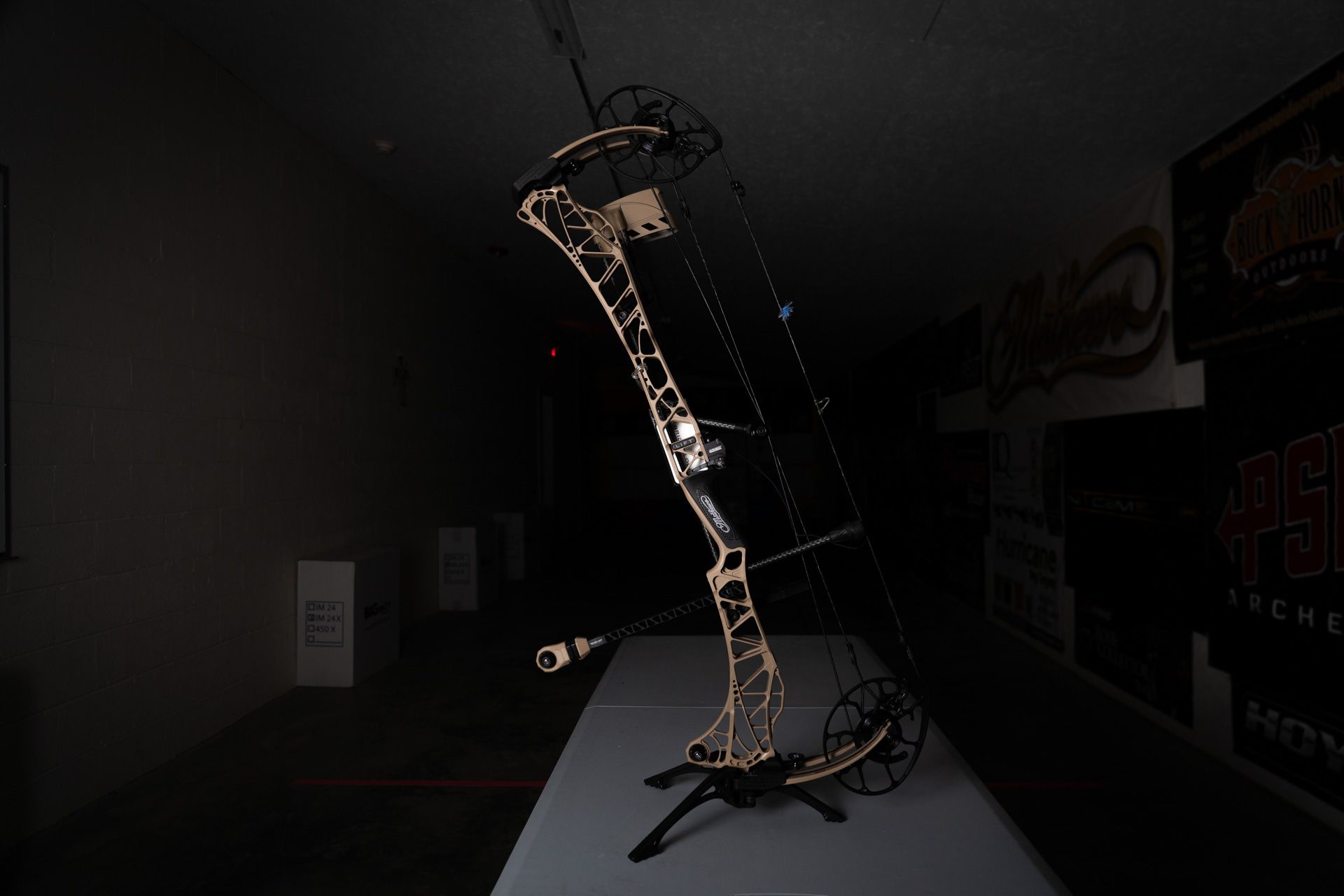
Accuracy in archery comes from consistency. The more repeatable your setup and shooting process are, the better your results will be. Your bow matters, but the accessories you choose can make a major difference in how comfortable, stable, and confident you feel behind every shot. Whether you are preparing for deer season, practicing at the range, or upgrading your current setup, the right archery accessories can help you shoot better and enjoy the sport more.
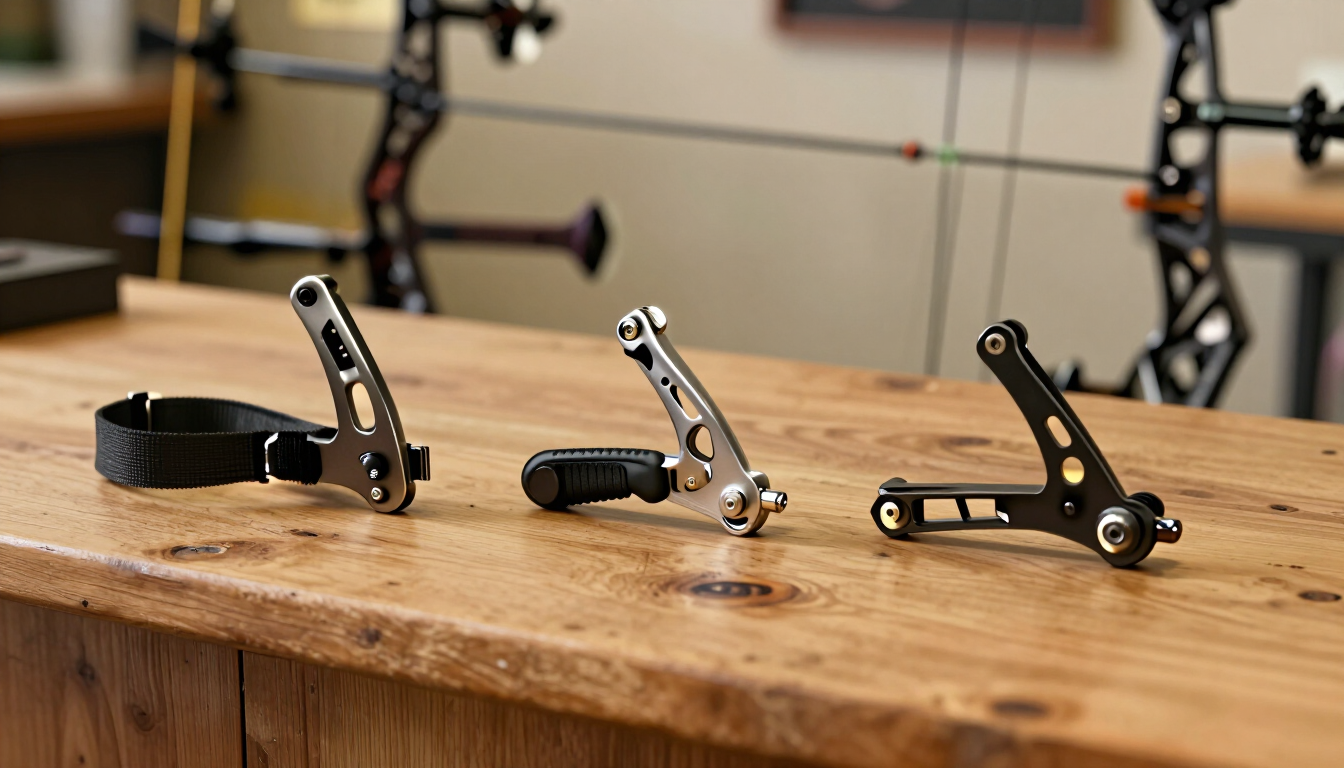
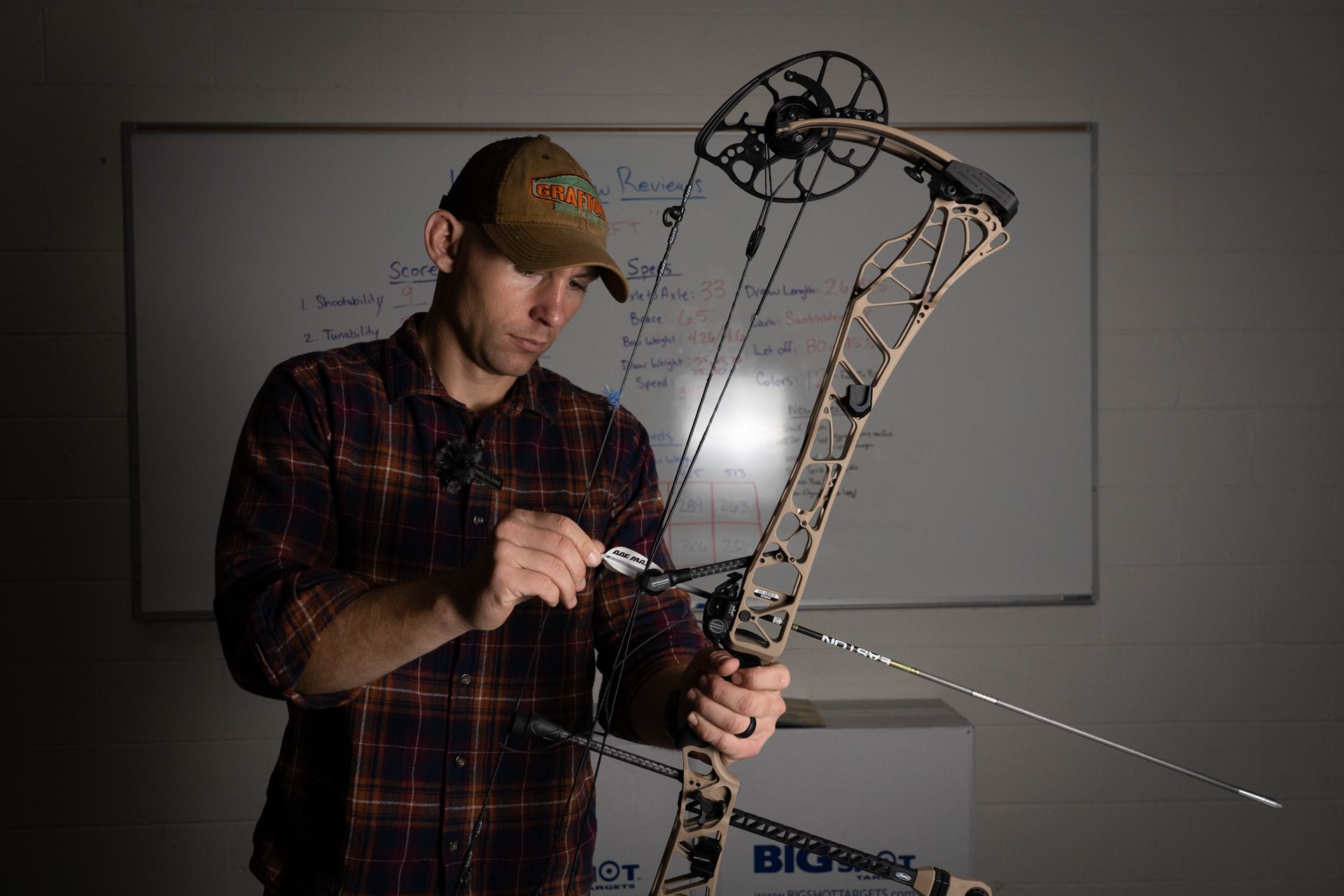
One of the most important accessories for compound bow shooters is a quality release. A release helps create a cleaner, more consistent shot than pulling the string with your fingers. Many hunters use a wrist strap release because it is simple, secure, and easy to keep with them in the field. Others prefer handheld releases for target shooting or more advanced shot control. The best release is the one that feels comfortable and helps you execute the same shot every time.
A good sight is another accessory that can improve confidence. Bow sights come in different styles, including fixed pin sights, single pin sights, and adjustable slider sights. Fixed pin sights are popular with hunters because they allow quick aiming at common distances. Single pin and slider sights can offer a cleaner sight picture and more precise distance adjustment. The right choice depends on how you hunt, how far you practice, and what feels easiest for you to use under pressure.
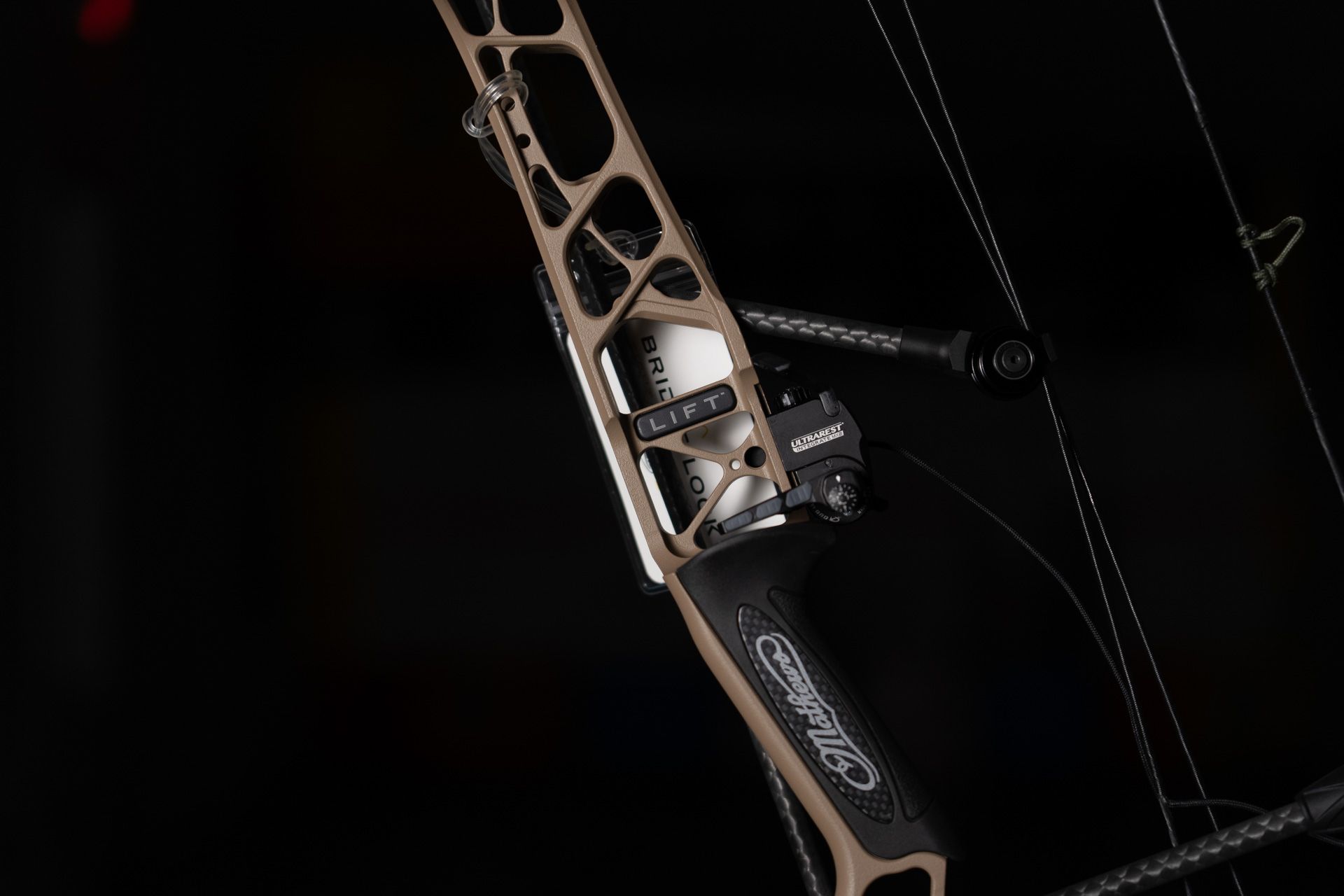
Arrow rests also have a major impact on accuracy. A rest supports the arrow during the shot and helps guide clean arrow flight. Drop-away rests are popular because they support the arrow and then move out of the way, reducing contact after the shot. Containment-style rests can be helpful for hunters who want the arrow held securely while moving in a stand or blind. If your rest is worn, loose, or not timed correctly, your groups may suffer.
A stabilizer can help balance the bow and reduce movement while aiming. Many hunters use shorter stabilizers because they are easier to manage in tight spaces, while target shooters may use longer setups for added stability. A stabilizer can also reduce vibration and make the bow feel steadier after the shot. Even a small stabilizer can improve the way your bow holds, especially if it balances well with your accessories.
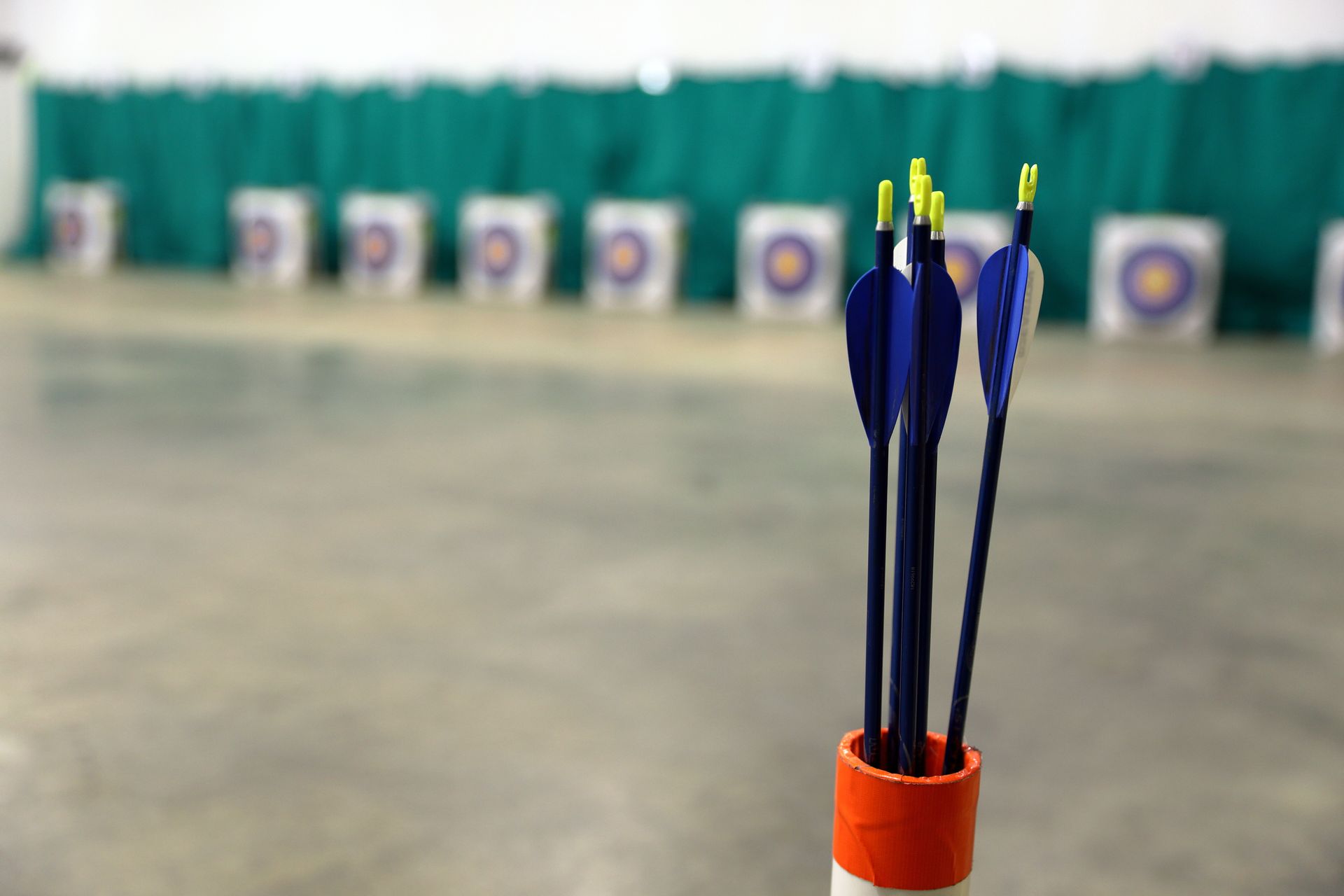
Your arrows are not always thought of as accessories, but they are one of the most important parts of the entire setup. Arrows need to match your draw weight, draw length, point weight, and shooting goals. If your arrows are not properly matched, even the best bow and accessories will struggle to perform. Quality arrows with the right spine, straightness, and components can improve consistency and broadhead flight.
A dependable quiver is important for hunters. The quiver should hold arrows securely without being noisy or awkward. Some hunters leave the quiver attached while shooting, while others remove it once they are in the stand. Either way, it should be easy to use and should not rattle when you move. A noisy quiver can be a problem when deer are close.
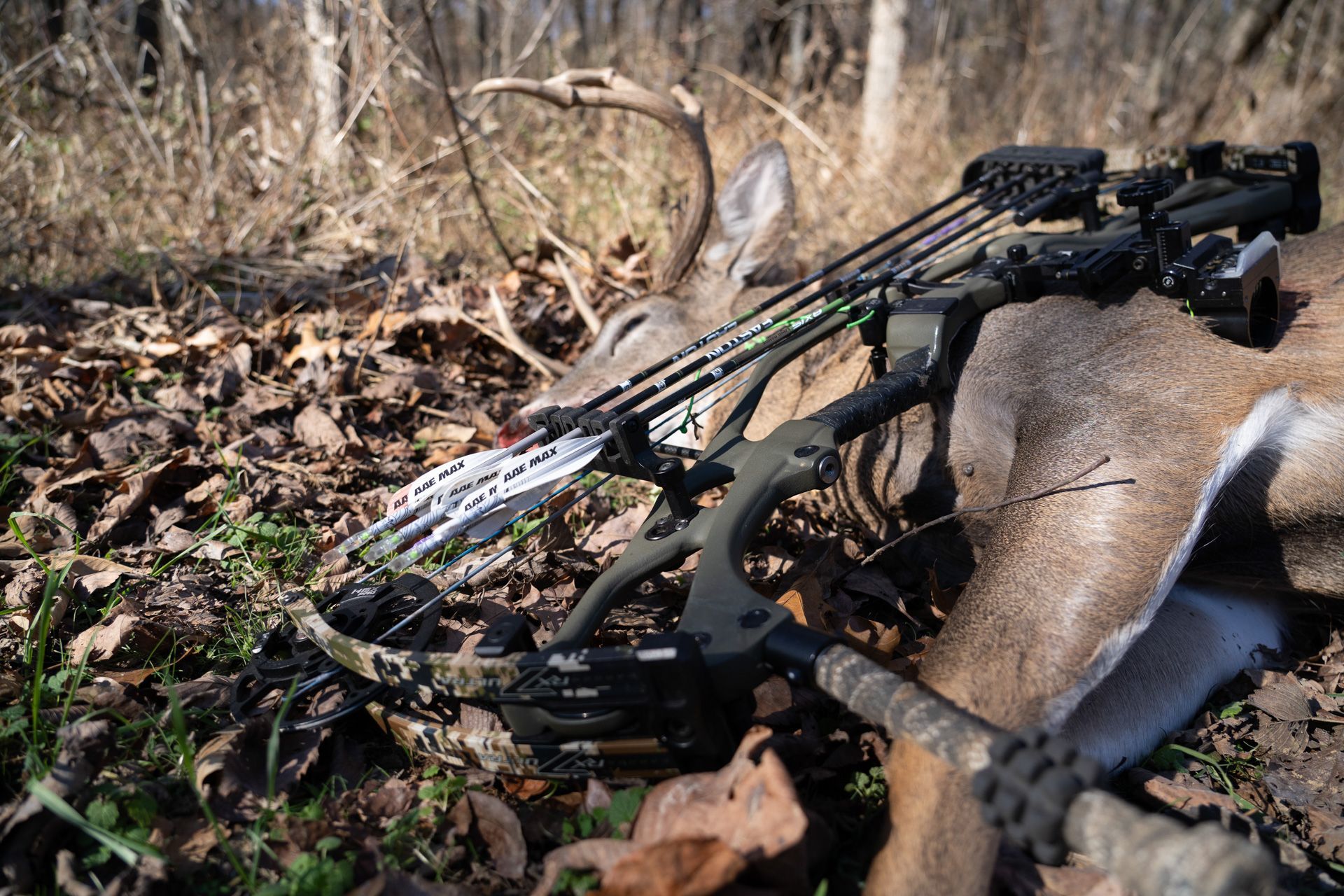
Targets are another accessory that can improve your practice routine. A good target lets you practice regularly, safely, and confidently. Bag targets are useful for field points, while broadhead targets are designed to handle hunting heads. If you plan to hunt with broadheads, you need a target that allows you to test them before season. Practicing only with field points can leave you guessing about broadhead impact.
A peep sight is a small part of the bow, but it has a big effect on consistency. Your peep should be installed at the right height and line up naturally with your eye at full draw. If you have to move your head, stretch, or adjust your anchor to see through the peep, your setup may need attention. A properly placed peep helps create a repeatable sight picture.
String silencers and dampeners can help reduce bow noise and vibration. For hunters, a quieter bow can be an advantage. Deer can react quickly to sound, especially at close range. While silencers will not make a bow completely silent, they can help make the setup feel smoother and quieter. The key is choosing accessories that reduce noise without interfering with performance.
A good bow case is also worth having. Your bow can be knocked out of tune or damaged during travel if it is not protected. A hard case offers more protection, while a soft case may be easier to carry for short trips. If you travel to hunt or frequently take your bow in and out of a vehicle, a case helps protect your investment.
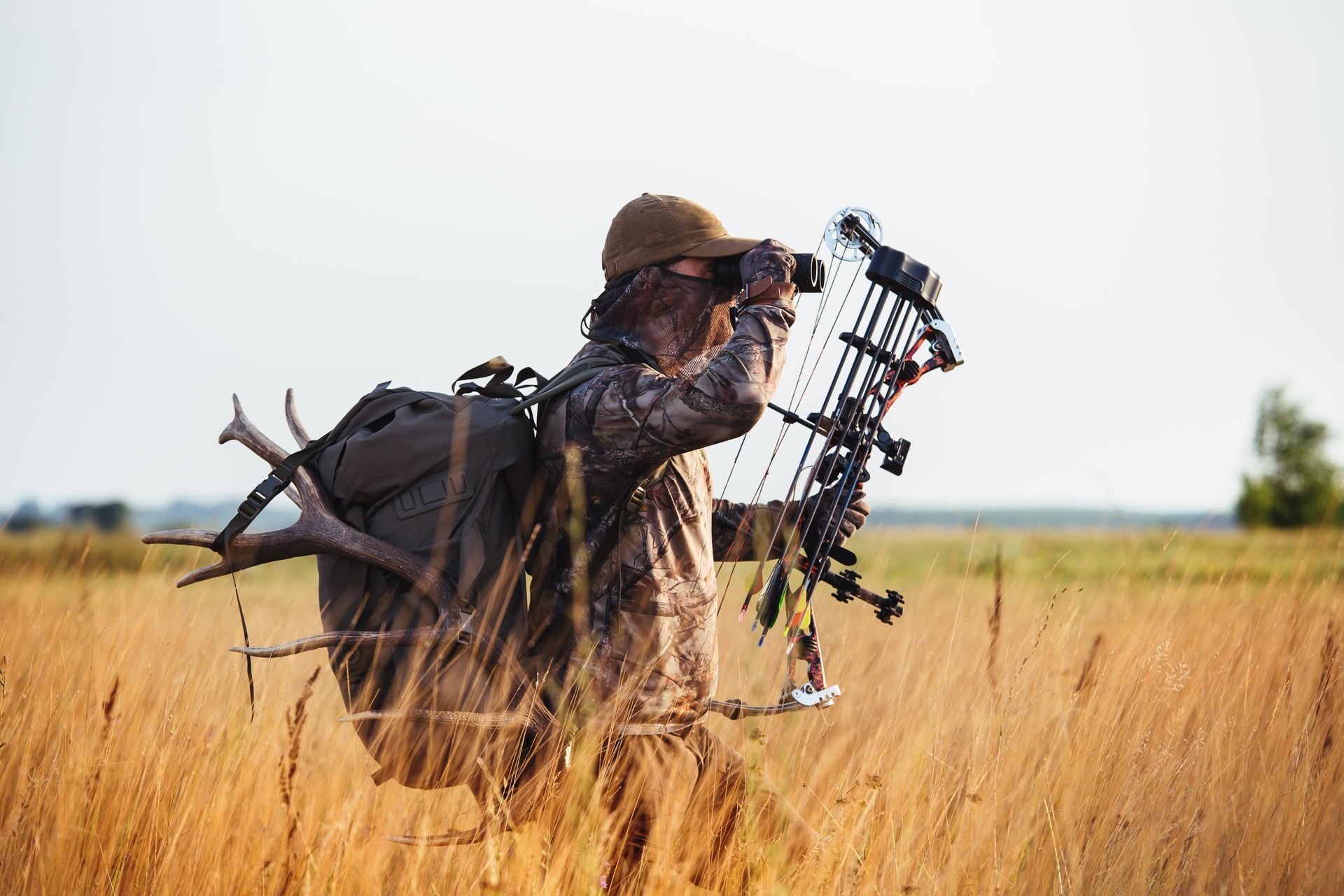
Rangefinders are extremely helpful for bowhunters. Judging distance by eye can be difficult, especially in the woods where trees, shadows, and uneven ground can fool your perception. A rangefinder helps you confirm exact distances before the shot. Practicing with a rangefinder also helps you learn what different distances look like in real hunting conditions.
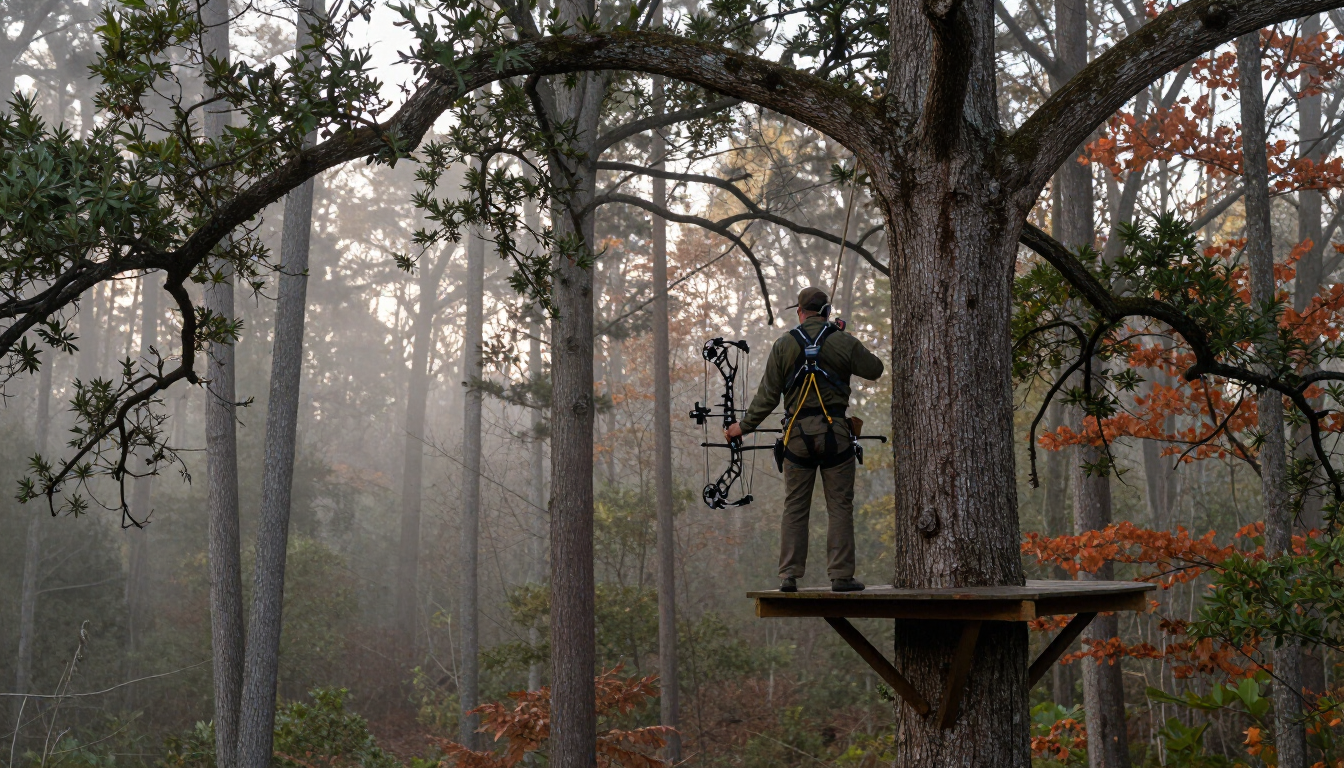
A bow sling can help keep your bow secure while walking, climbing, or waiting in the stand. It can reduce hand fatigue and help prevent accidental drops. For hunters who spend a lot of time in the woods, small comfort accessories like a sling can make the overall experience better.
The best archery accessories are not always the most expensive ones. The best accessories are the ones that fit your setup, support your shooting style, and help you become more consistent. Adding gear without proper setup can create more problems than it solves, so it is important to make sure everything works together.
Grafton Archery & Outdoors in China Grove, NC can help you choose the right archery accessories for your bow. Whether you need a new release, sight, rest, arrows, quiver, target, or hunting upgrade, working with a local shop gives you hands-on guidance and proper setup support. The right accessories can help you shoot with more accuracy, confidence, and consistency.