Shot Placement and Shot Selection for Early Season Whitetails
Grafton Archery & Outdoors
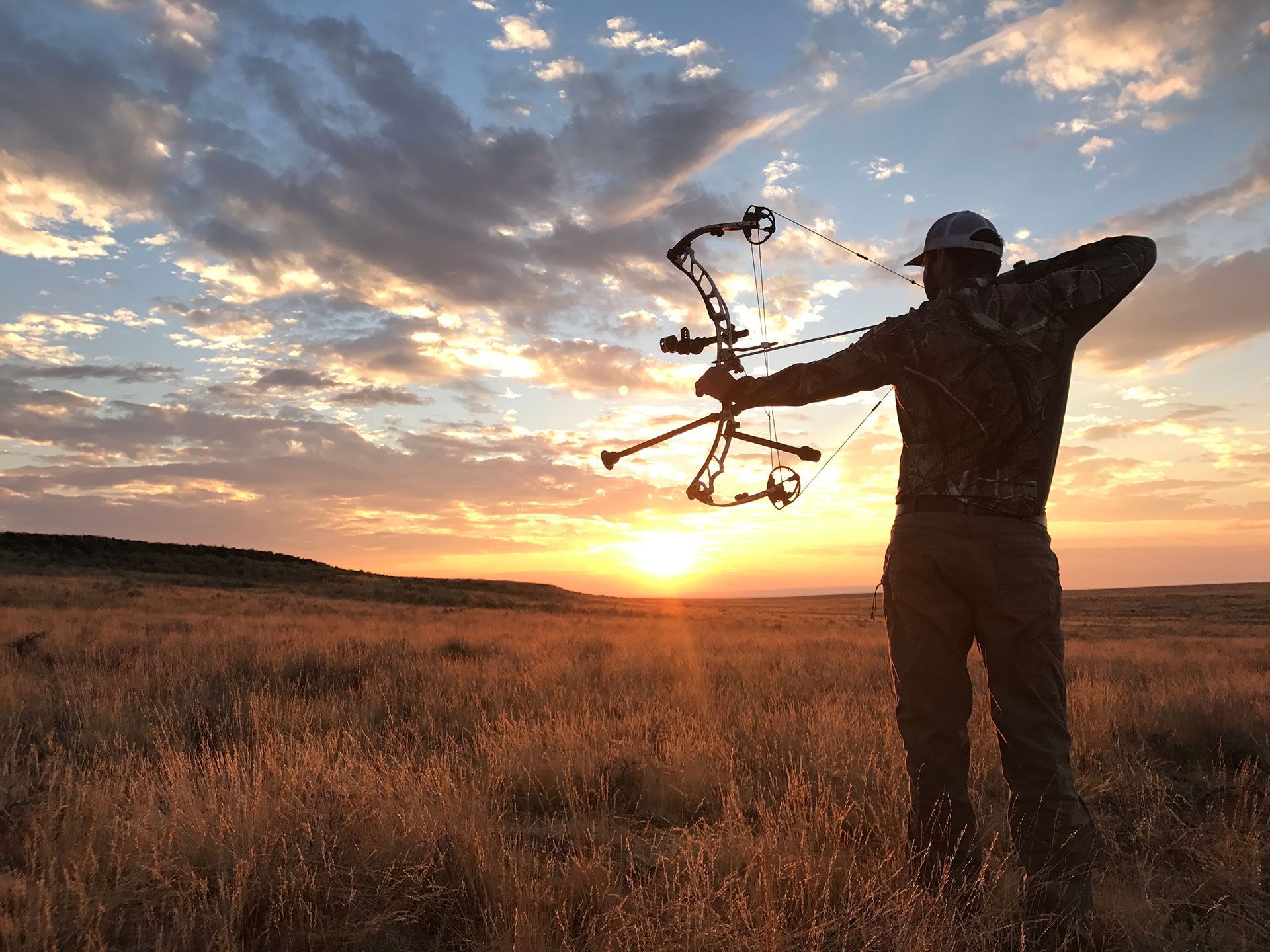
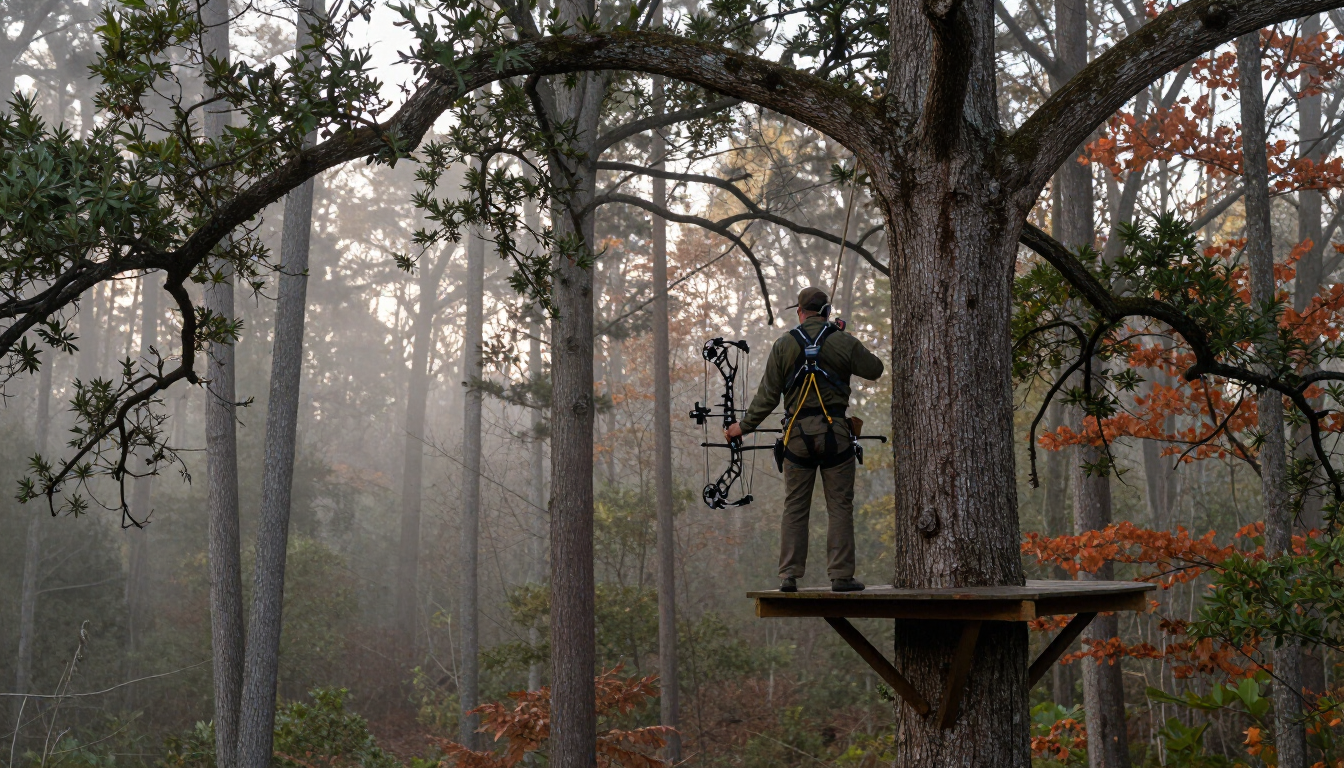
Early season shots often come with more variables than any other stretch of the year — thick foliage, deer that are still relaxed but quick to spook, and hunters who haven't taken a real shot at an animal since last fall. Making the right call on when to draw, and where to aim, matters more than any piece of gear in your pack.
Know Your Shot Before You Need It
The vitals on a broadside or quartering-away deer sit within a relatively small, specific area, and the margin for error shrinks fast on any other angle. Spend time before the season studying exactly where that target sits — not just "behind the shoulder," but the actual angle the vitals present at the distance and elevation you'll be shooting from a stand or saddle.
Judging Distance Through Early Season Foliage
Full leaf cover changes how distances look and how much visual clutter sits between you and a clear lane. A shot that looks like 20 yards through a screen of green can easily be 28 or 30. Range your likely shot lanes before the season, not when a deer is already standing in one, so you're never guessing under pressure.
When to Pass, Not Just When to Shoot
A good shot opportunity is defined as much by what it isn't as what it is. Consider passing when:
- The deer is quartering toward you, closing off the vital angle
- Heavy brush or a limb sits between you and the vitals
- The distance is beyond what you've practiced consistently and confidently
- The animal is alert, moving erratically, or clearly aware something is off
A shot you pass on is always available again. A poor hit isn't something you can take back. Early season deer haven't been pressured much yet, which often means a better opportunity is still coming if you're willing to wait for it.
Practice at Realistic Distances, Not Just Comfortable Ones
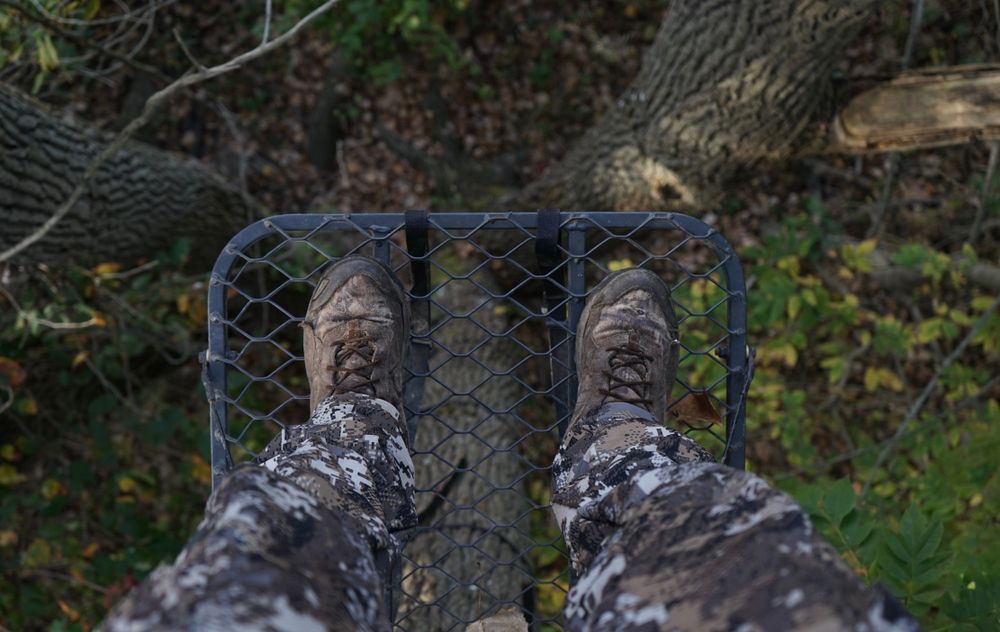
Grouping tight at 20 yards on a flat range doesn't automatically translate to a steep-angle shot from a saddle at first light. Before the season starts, practice from the actual height and angle you'll be hunting, in your hunting clothes, with your hunting release. Our guide to practicing effectively before hunting season covers how to structure that practice so it holds up under pressure. If you want a change of scenery from the backyard, our roundup of local ranges and practice spots near China Grove is worth a look too.
Equipment That Supports a Confident Shot
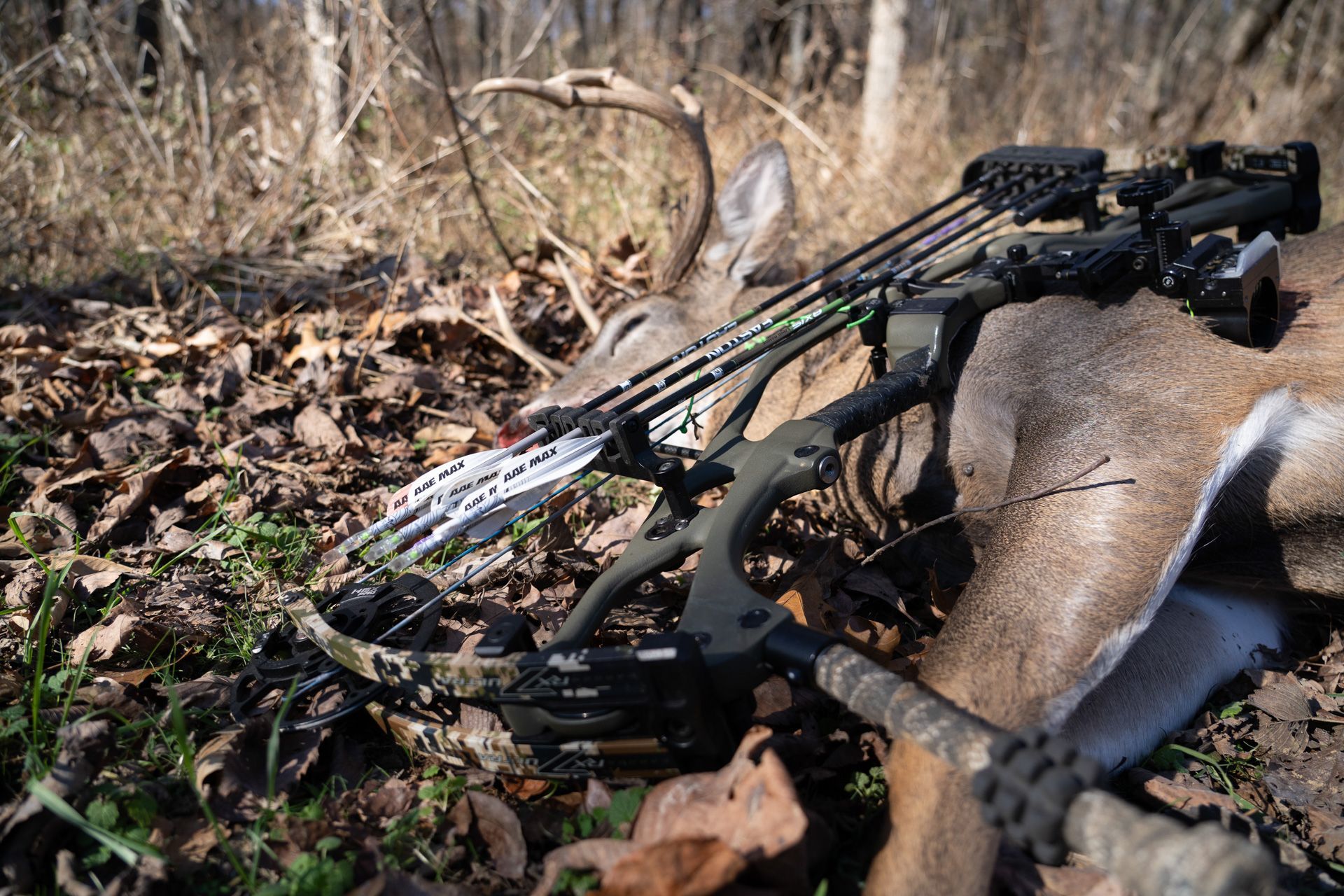
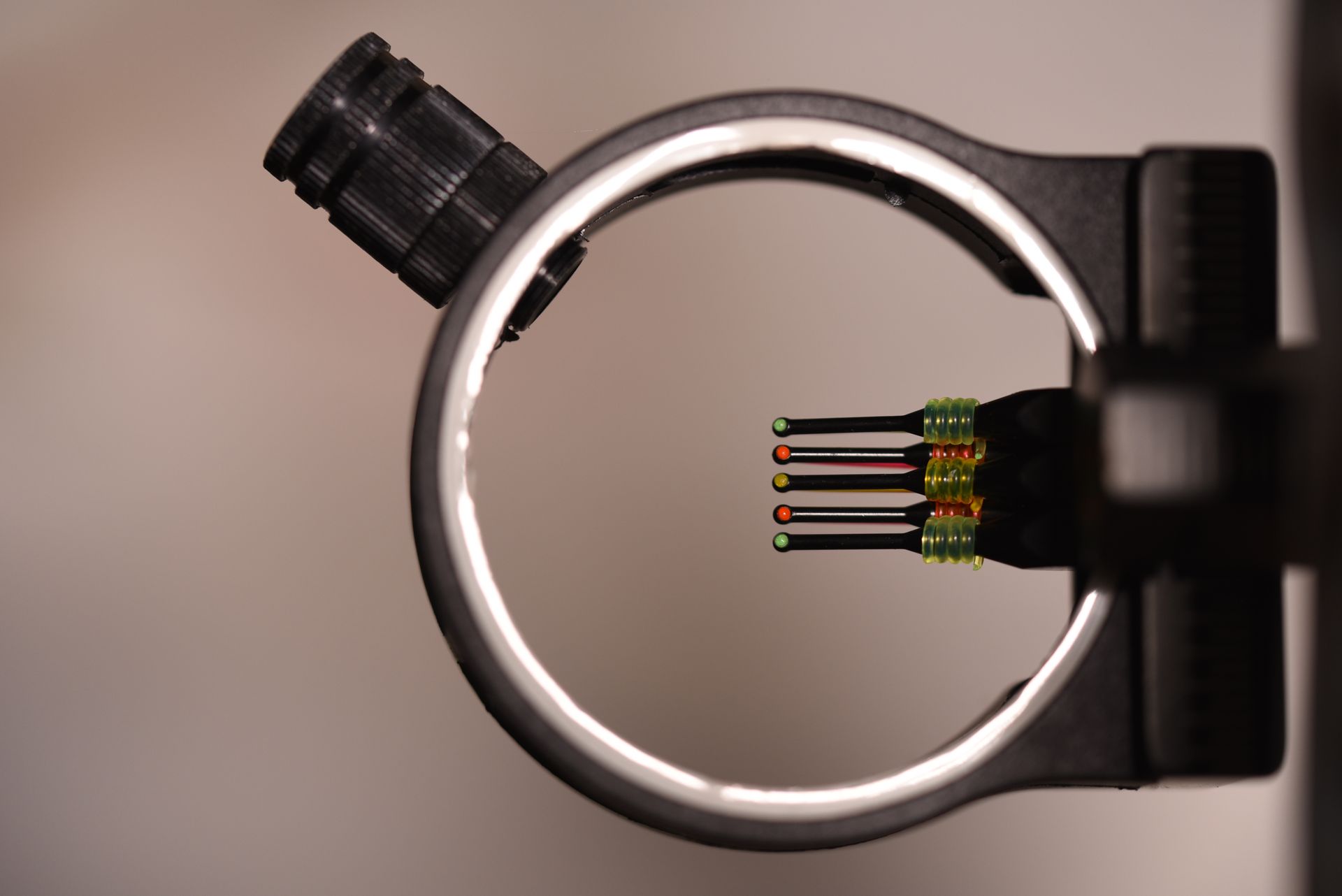
Shot placement discipline goes hand in hand with equipment you trust completely. A broadhead that flies true to your field points removes one more variable from the equation. The Rage Hypodermic NC and G5 Deadmeat are both proven options worth considering, but the head only performs as well as the arrow it's paired with — see our guide on building arrows that fly consistently for how those two pieces work together. A dependable sight matters just as much; something like the Trophy Ridge Swift sight gives you clear, consistent reference points so your pin placement matches your practice, not a guess in the moment.
After the Shot
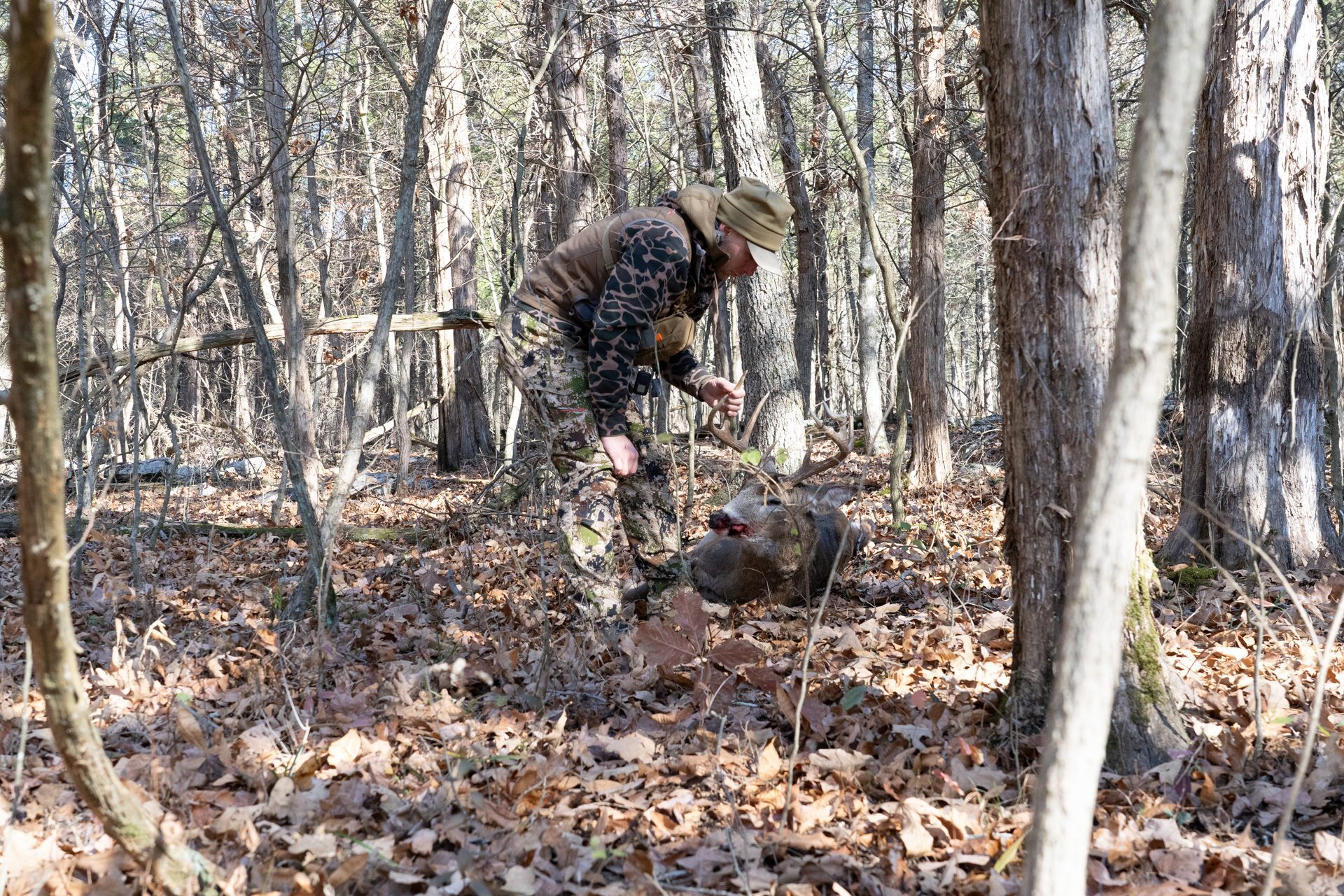
Commit to the follow-up the same way you committed to the shot. Give the animal the time it needs before trailing, mark your last sighting and the spot of impact, and move deliberately rather than rushing in. If a shot doesn't feel right the moment it happens, treat the recovery with even more patience and care. This part of the hunt is as much a part of ethical bowhunting as the shot itself.
Building Confidence Before You're in the Stand
Good shot placement isn't a single decision made in the moment — it's the result of practice, patience, and gear you trust, built well before opening morning. If you want a second set of eyes on your setup, whether that's arrow selection, broadhead choice, or sight configuration for your draw length, our team in China Grove has spent three decades helping hunters dial that in. Shop our full broadhead lineup online, or stop by if you'd like help matching one to your setup before the season gets going.