Bowhunting Shot Selection During the Rut: When to Draw and When to Pass
Grafton Archery & Outdoors
The rut can put a lot of moving deer in front of you, and many of them won't be offering a shot you should take. Bowhunting shot selection during the rut comes down to three questions: is the deer within your range, is it standing at an angle that exposes the vitals, and is it calm enough to stay put when the string goes?
We've been helping bowhunters out of our shop in China Grove, NC for over three decades. Here's how we'd think through the shot when a rutting buck finally steps out.
Why the Rut Makes Bowhunting Shot Selection Harder
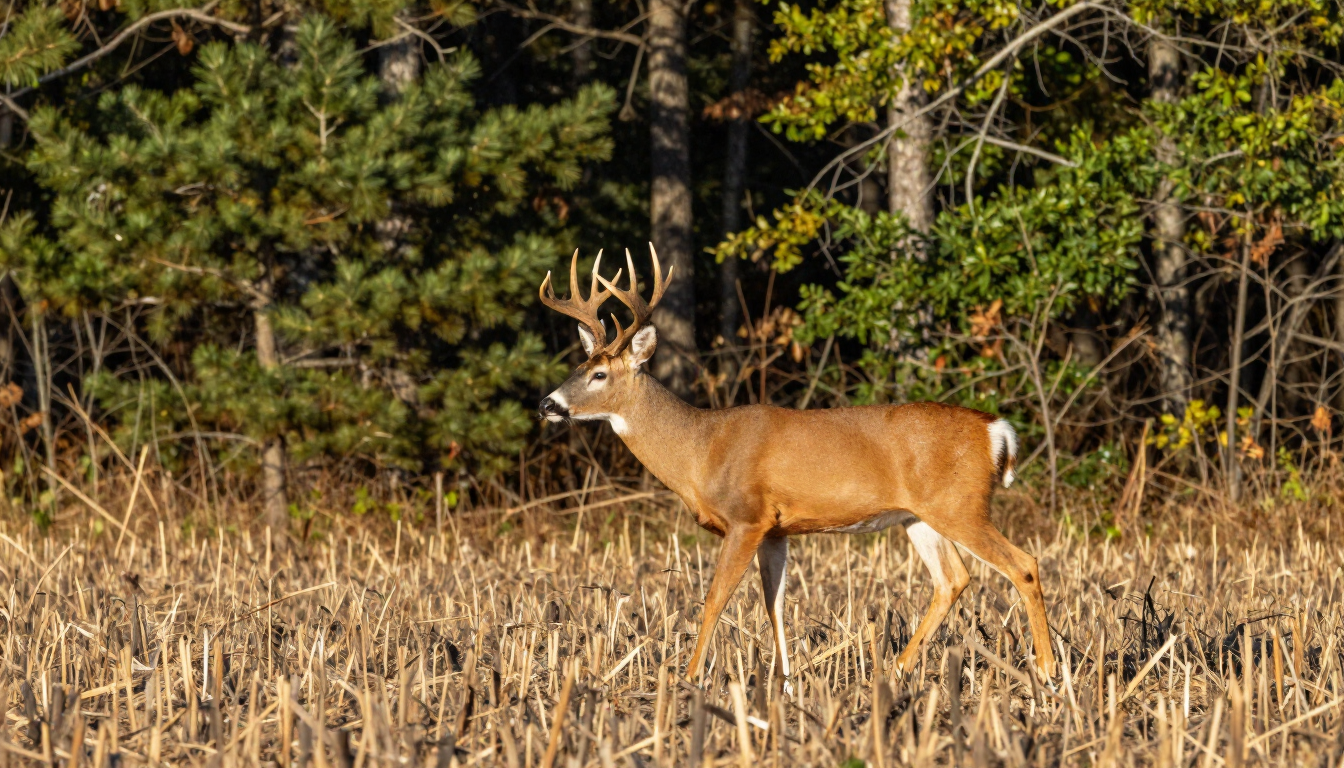
During the rut, bucks cruise, chase, and trail does, so they're often walking or trotting through your lanes instead of stopping in them. Shots come fast, and they come at whatever angle the deer happens to be on.
Add the adrenaline of seeing a buck you've had on camera for weeks, and it's easy to talk yourself into a shot you'd pass on any other day. Settling your rules before you climb makes that moment simpler.
Know Your Effective Range Before You Climb
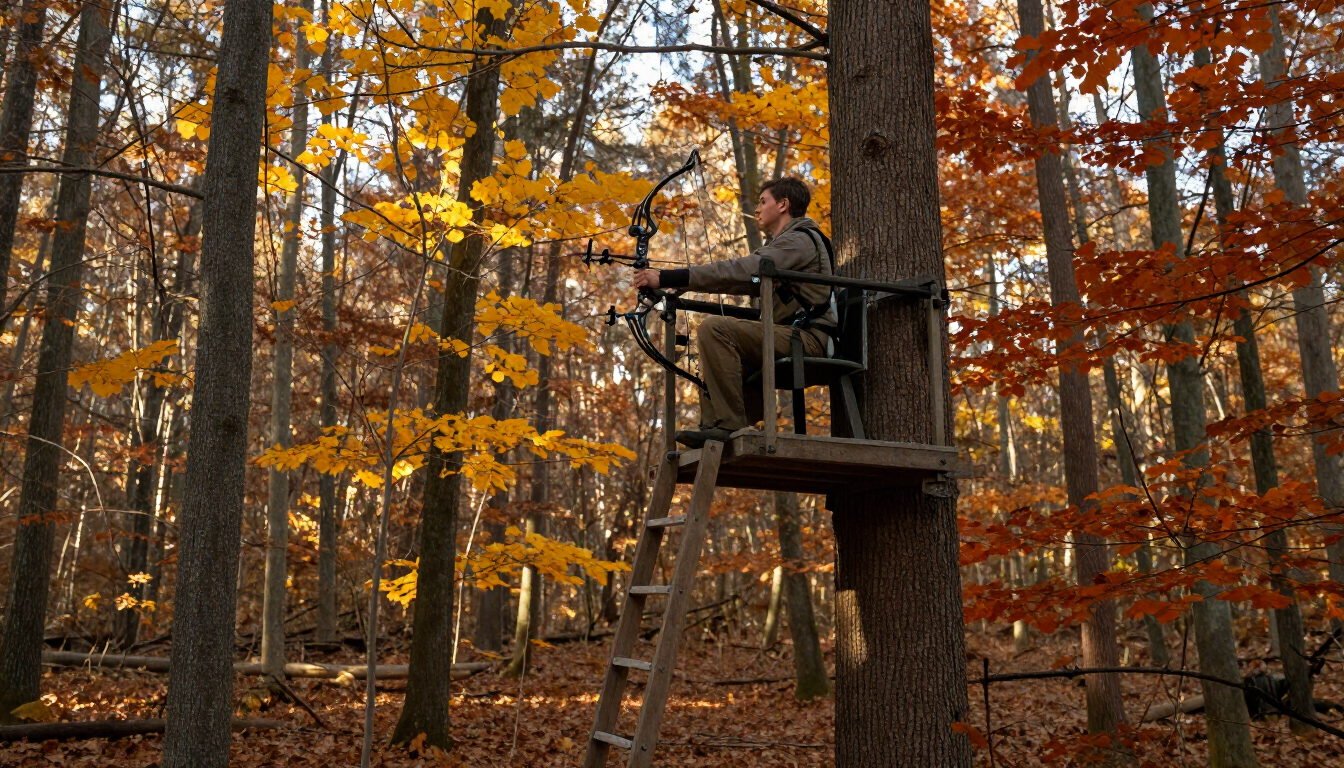
Your effective range isn't the farthest pin on your sight. It's the farthest distance where you can keep a tight group under hunting conditions: from an elevated position, in your hunting layers, on a cold first shot after sitting still for hours.
If that number is 25 yards, then 26 yards is a pass. Once you're settled in, range a few landmarks like a stump or a fence post so you aren't guessing when a deer appears.
If you want to stretch that range, the work happens on the practice range, not in the stand. Our guide on how to practice archery effectively before hunting season covers building realistic sessions.
Shot Angles: Which to Take and Which to Pass
Angle matters as much as distance. Bone protects the vitals from some angles, and a steep or hard angle shrinks your margin for error.
| Deer's angle | Take it? | Why |
|---|---|---|
| Broadside | Yes | The largest, most forgiving window to the heart and lungs. |
| Slightly quartering away | Yes | The arrow angles forward into the vitals. Aim so it would exit near the far-side front leg. |
| Hard quartering away | Only close, only if confident | The window narrows, and the arrow travels farther before reaching the vitals. |
| Quartering toward | Pass | The shoulder and leg bones guard the vitals. |
| Facing you | Pass | A small target with almost no room for error. |
| Facing away | Pass | There's no clean path to the vitals. |
| Directly under the stand | Pass | The steep angle can miss one or both lungs. Let the deer walk out a few yards. |
Decide your shot rules before the hunt, not when the buck is standing there. If the angle or distance isn't on your list, let him walk. A rutting buck that passes through once may come back through again.
Moving Deer: When and How to Stop a Buck
Don't shoot at a walking deer. Even at close range, a deer covers enough ground while the arrow is in flight to turn a good hit into a bad one.
- Draw when the deer's head is behind a tree or its eyes are turned away from you.
- Wait until the vitals are in an open lane.
- Stop the deer with a soft mouth grunt or bleat.
- Settle your pin and shoot without delay, because a stopped deer is an alert deer.
An alert deer can react to the sound of the shot. That's one more reason to keep shots close, and to pass on a deer that's tense, staring, or already looking your way.
Aim Small: Shot Placement Basics
Pick one spot, not the whole deer. On a broadside deer, the heart and lungs sit just behind the front shoulder in the lower half of the chest. Pick a single tuft of hair or a shadow there and hold on it through the shot.
From a stand, think about where the arrow will exit, not just where it enters. Aim so the exit comes out low on the far side, through the vitals.
Good placement only matters if your broadheads fly where your field points do. Whether you shoot a mechanical like the Rage Hypodermic NC or a fixed blade like the G5 Deadmeat, shoot them before the hunt and confirm they group with your practice points. Our post on fixed-blade vs. mechanical broadheads covers how to choose between them.
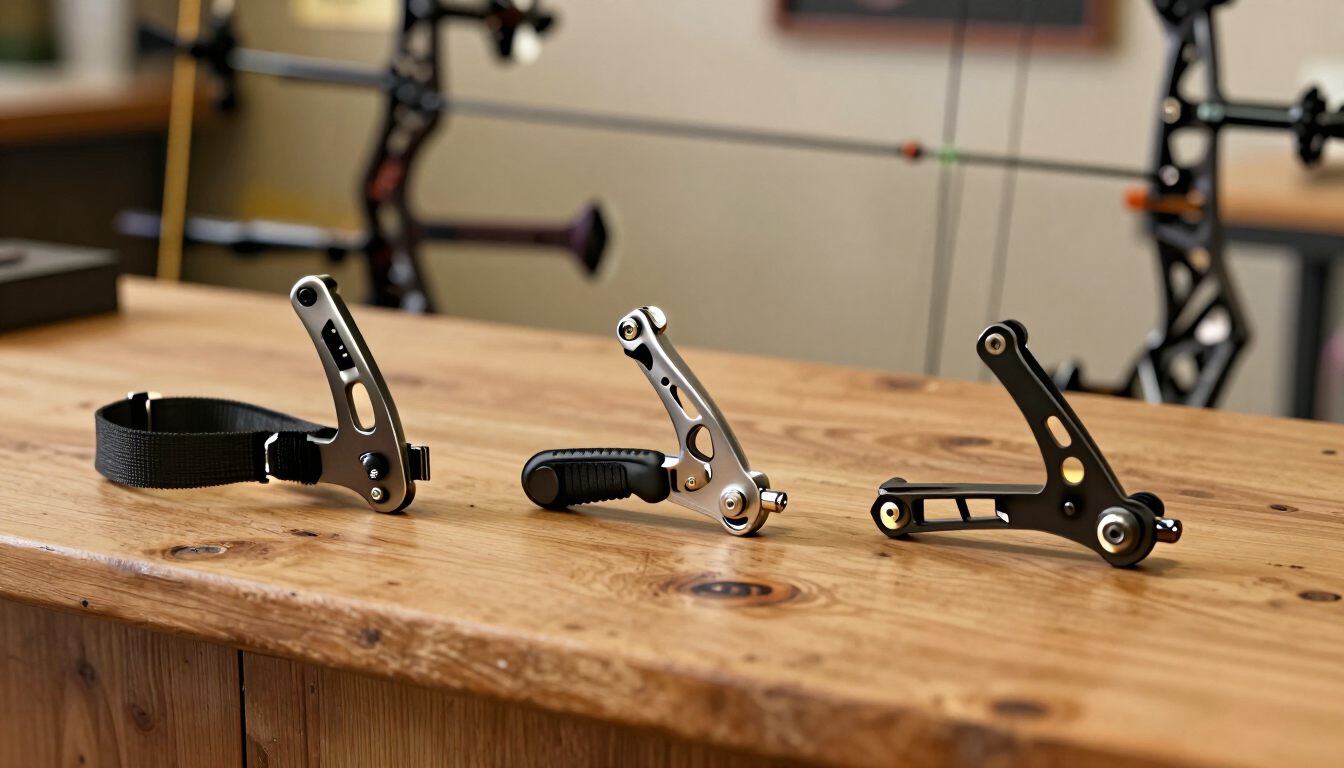
A consistent release helps too. If you're considering a new release like the Trufire Hardcore 2.0, try it in your hand first. Release fit is personal, and it's worth getting right in person.
Brush, Light, and Other Reasons to Pass
- A twig you can barely see can deflect an arrow. If anything is between you and the vitals, wait for a cleaner look.
- If you can't see your pin clearly against the deer, the light is telling you something. Hunt only within legal shooting hours, and check current NCWRC regulations (or your own state wildlife agency) for the times in your area.
- Another deer standing behind or beside your target is a reason to wait.
- If your heart is pounding so hard the pin won't settle, let down and let the moment pass.
After the Shot: Commit to the Recovery
Shot selection doesn't end when the arrow leaves the string. Every shot you take comes with a commitment to find that deer.
- Watch the deer as long as you can, and note exactly where you last saw it.
- Mark where it was standing when you shot and where it left your sight. A pin dropped on your phone works.
- Give the deer time before you take up the trail. If you aren't sure about the hit, wait longer.
- Follow the sign slowly and mark it as you go. If you lose the trail, back out and get help instead of pushing ahead.
Get Your Setup Ready for Rut Sits
Order broadheads from our online store and get them into your practice sessions before your next sit. If you're nearby and want a second set of eyes on how your broadheads are flying, bring your bow in.
Have a question about your setup? Get in touch or give us a call.
Shop Broadheads Call (704) 855-1300