Pre-Rut Hunting in North Carolina: Where to Set Up and What to Watch For
Grafton Archery & Outdoors
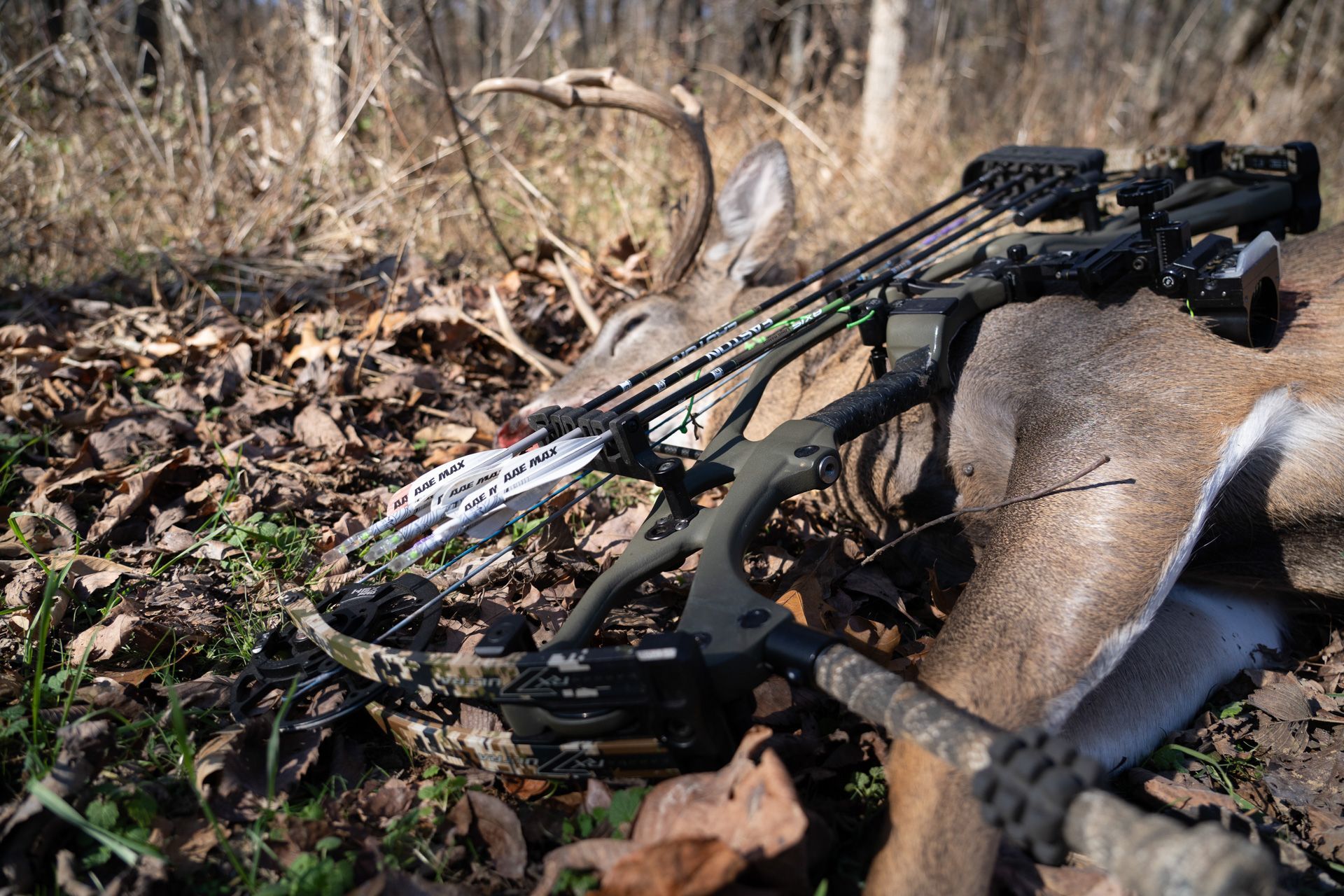
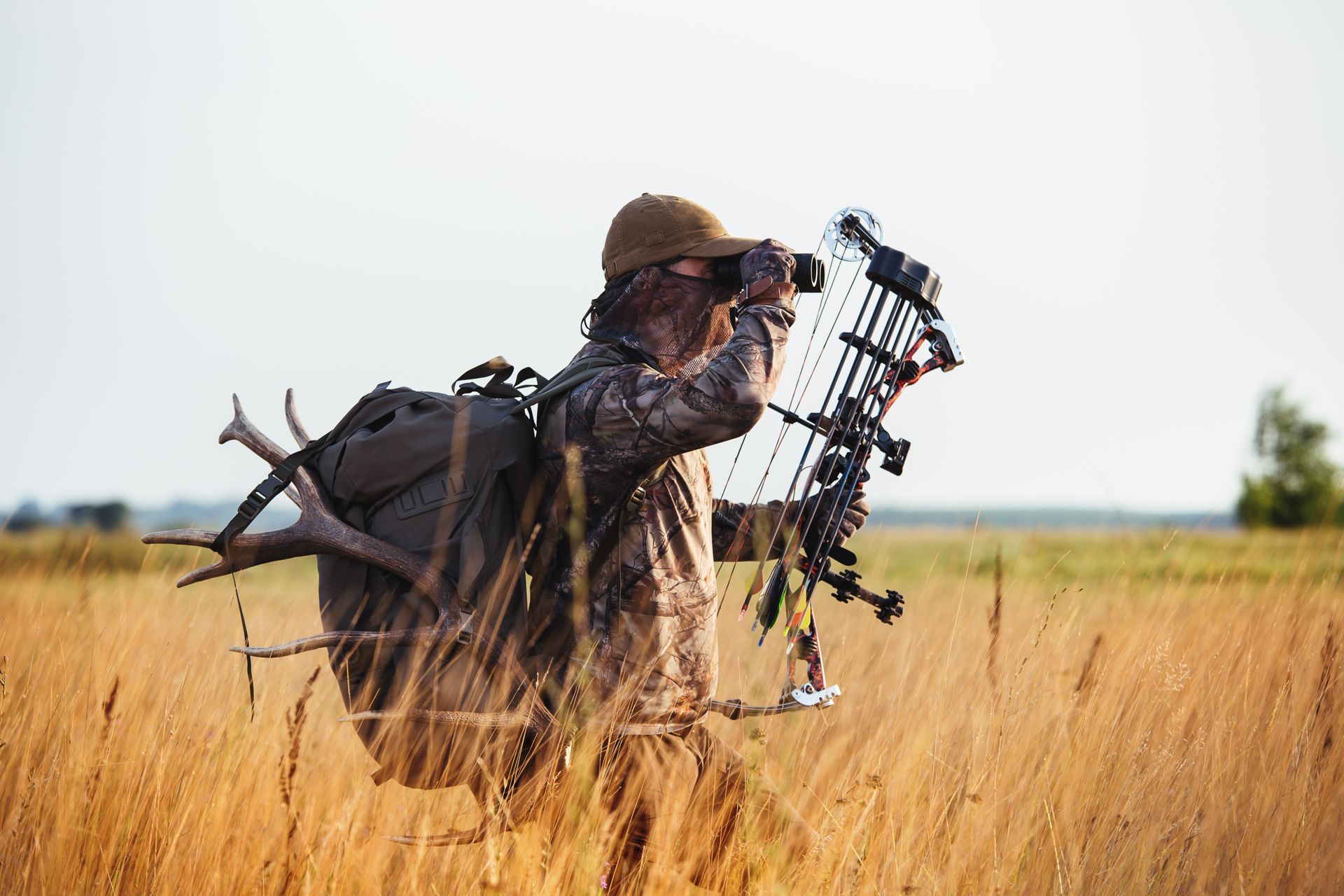
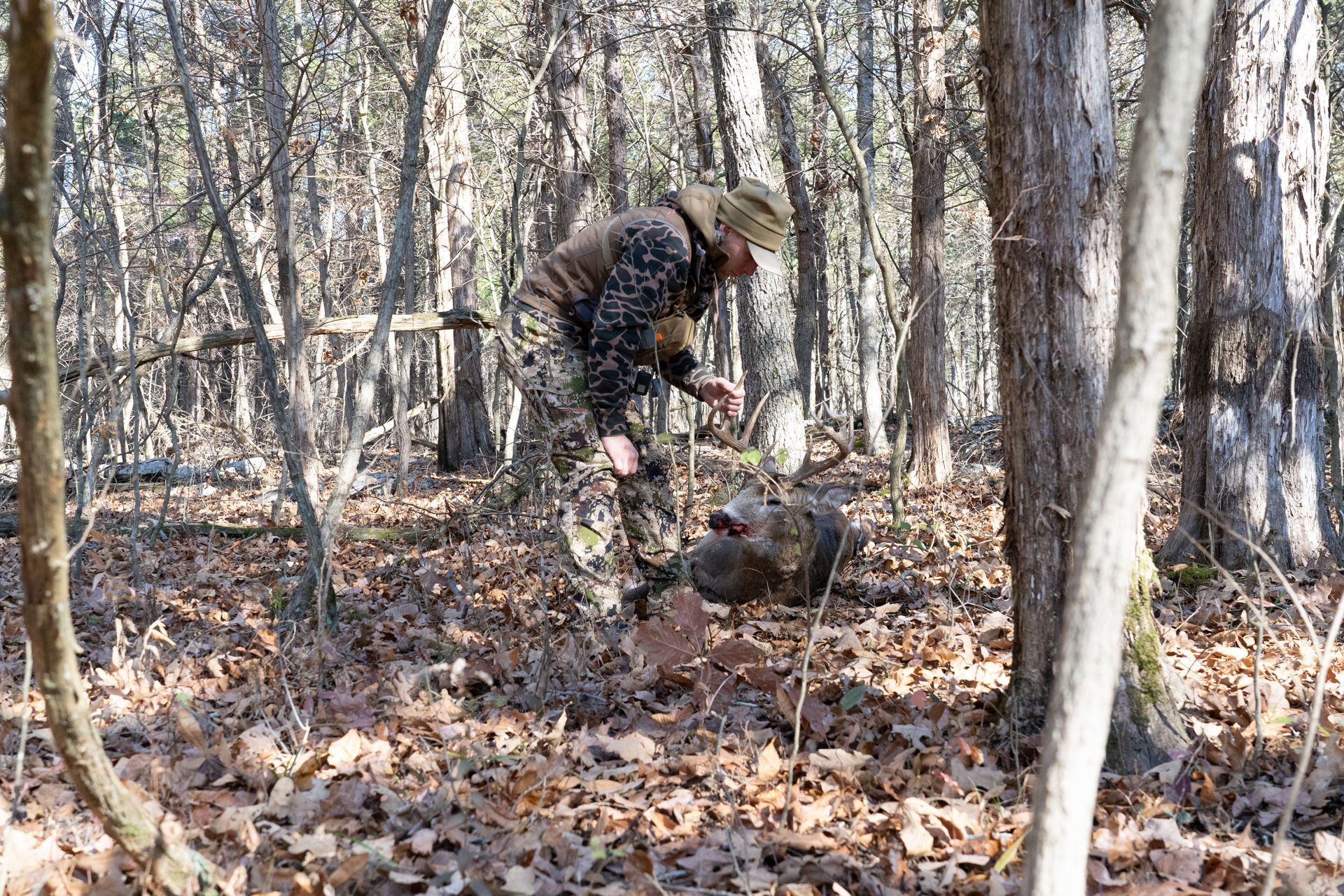
Somewhere in October, the deer you've been watching all summer start acting differently. Rubs show up on saplings, scrapes open along field edges, and bucks that were strictly nocturnal start moving a little earlier. Pre-rut hunting in North Carolina can be some of the best bowhunting of the year if you're set up for it, and here's how we'd approach it.
Pre-Rut Hunting in North Carolina Starts With Reading Sign
The rut doesn't run on a calendar, and timing varies across the state and even from one property to the next. Your sign and your cameras will tell you more than any chart.
Watch for:
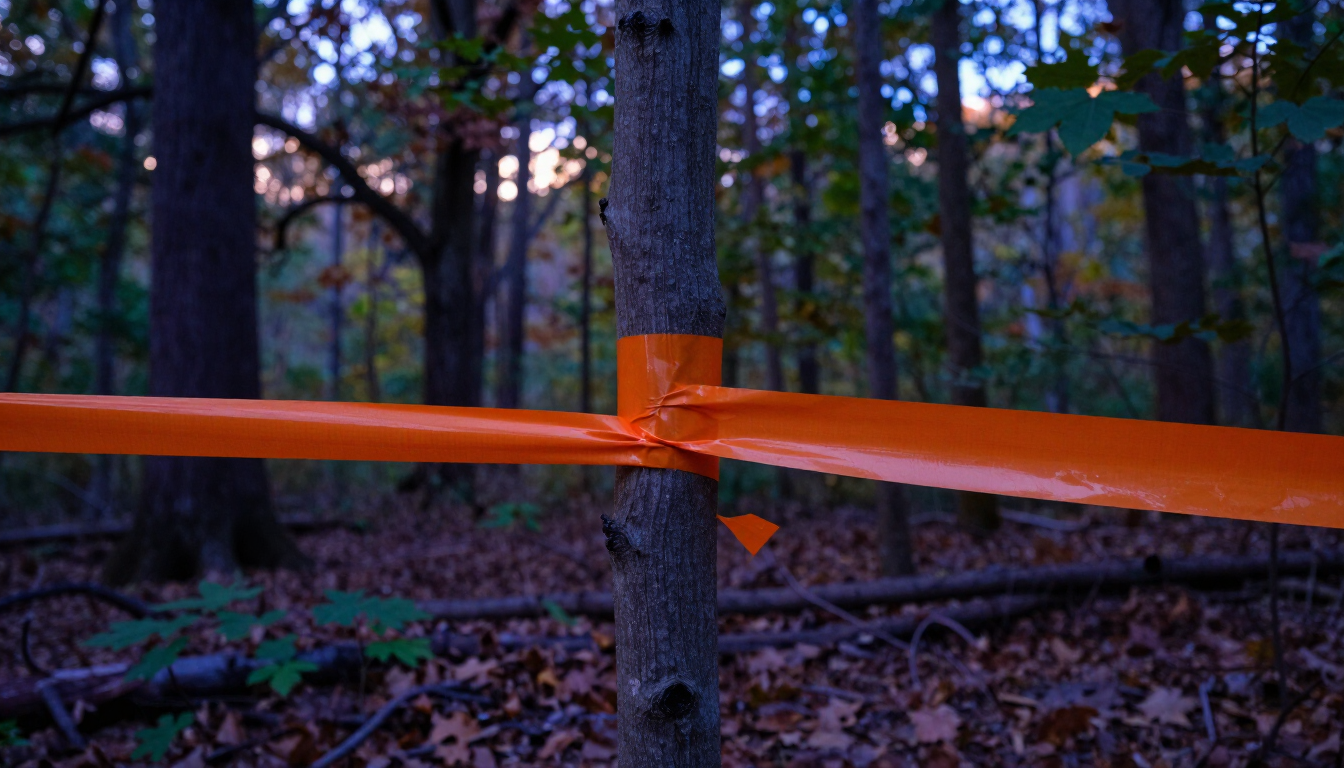
- Rubs on saplings and small trees, especially when they start showing up in lines along a travel route.
- Scrapes under an overhanging branch, often along field edges, logging roads, and the edges of thick cover.
- More daylight buck movement on camera, particularly in the first and last hour of light.
- Younger bucks pushing does around before the does are ready.
Before you plan any sits, check the current North Carolina Wildlife Resources Commission regulations for this season's dates and requirements in your zone.
Where to Set Up for Pre-Rut Bucks
In the pre-rut, hunt the routes between where does feed and where bucks bed, not the middle of the food source. Bucks start cruising those routes looking for the first receptive does, and they tend to do it close to cover.
Scrape lines and rub lines near cover
A scrape out in the open field gets checked mostly at night. The same line of scrapes back along the timber, where it meets thicker cover, is where you're more likely to see a buck during shooting light.
Funnels and pinch points
Anything that narrows deer travel concentrates the movement. Think creek crossings, the inside corner of a field, a gap in a fence line, or a strip of timber connecting two larger blocks of woods.
Acorns and field edges
When white oaks are dropping, deer will be on them, and does on acorns pull bucks in behind them. Around Rowan County, a farmland edge with a hardwood draw running off it is the kind of spot worth a hard look this time of year.
Use Trail Cameras Without Burning Out Your Spot
Every trip in to pull a card leaves scent and noise right where you want deer comfortable. As the pre-rut builds, that pressure costs more than it did in September.
Cellular trail cameras like the Reveal 3.0 PRO or the Black Gate R4G let you see what's happening without walking in. Pairing a camera with an add-on like the Reveal External Solar Panel means fewer trips just to swap batteries.
Point cameras at scrapes and pinch points rather than open fields, and pay attention to the time stamps more than the antlers. For placement details, see our trail camera strategies for whitetail hunting in North Carolina and our trail camera setup best practices.
Wind, Access, and When to Sit
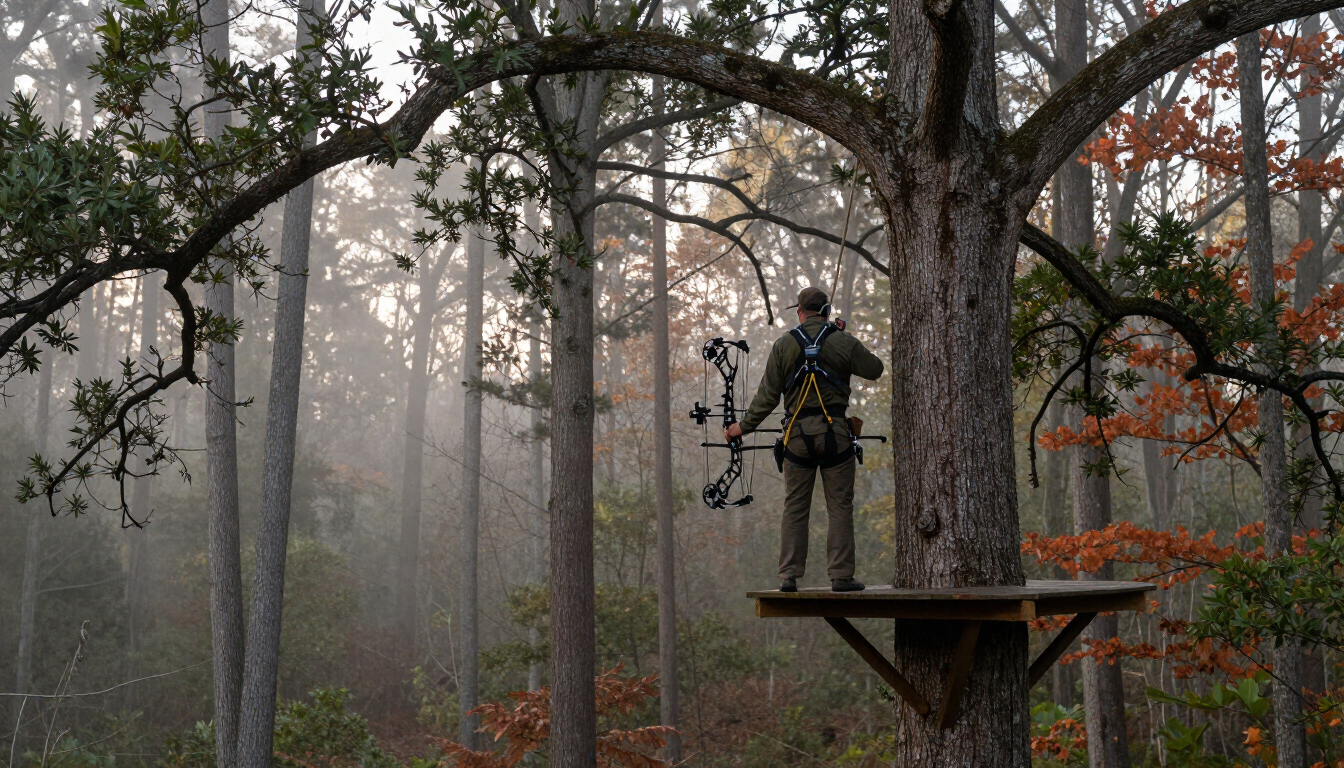
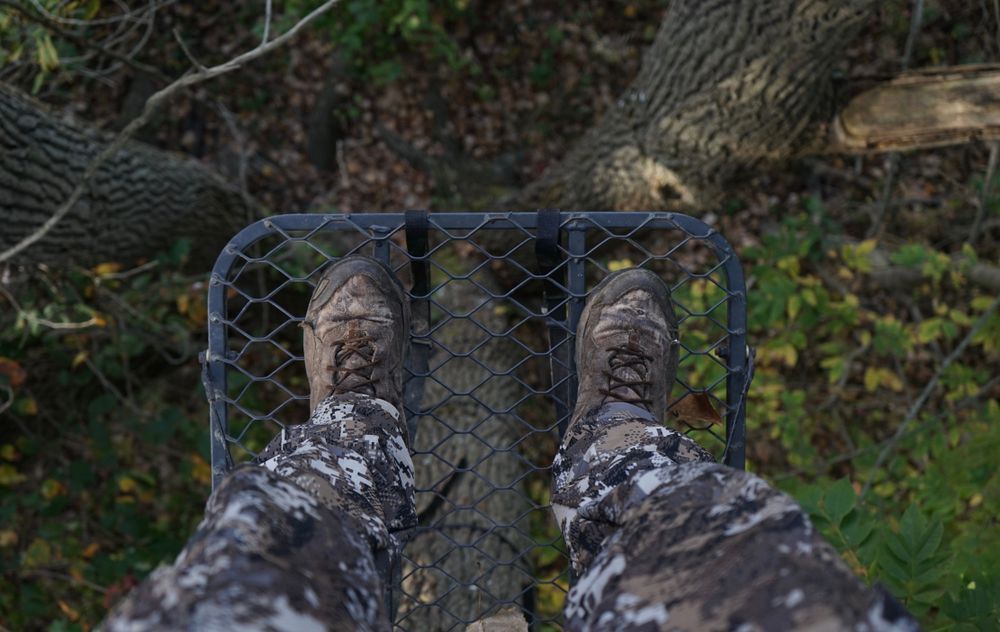
A great stand hunted on the wrong wind teaches deer to avoid it. Pre-rut success has as much to do with how you get in and out as where you sit.
- Hunt each stand only on a wind that carries your scent away from where you expect deer to come from.
- Plan an entry and exit that doesn't cross the travel route you're hunting or skirt the bedding area.
- Pay attention to cold fronts. After a warm stretch, a drop in temperature often gets deer on their feet in daylight, so that's a good day to be in the woods.
- On morning sits, don't climb down too early. Bucks cruising back toward bedding can show up well after sunrise.
- As the rut gets closer, midday sits start earning their keep.
- Don't burn out your best stand. Save it for the right wind and the right weather.
Warm, humid early-season sits are still common in the Piedmont through October, and weather affects your equipment as well as the deer. Our post on how weather conditions affect your bow and arrow setup is worth a read before the next front comes through.
Calling and Rattling in the Pre-Rut
This is when bucks start getting curious about other bucks. A short, light rattling sequence or a few soft grunts can pull a buck in to investigate.
Keep it subtle and keep it occasional. Have your bow in hand before you call, because a buck that's coming often shows up quickly and looking right at the spot the sound came from.
Don't Let Your Bow Fall Behind the Deer
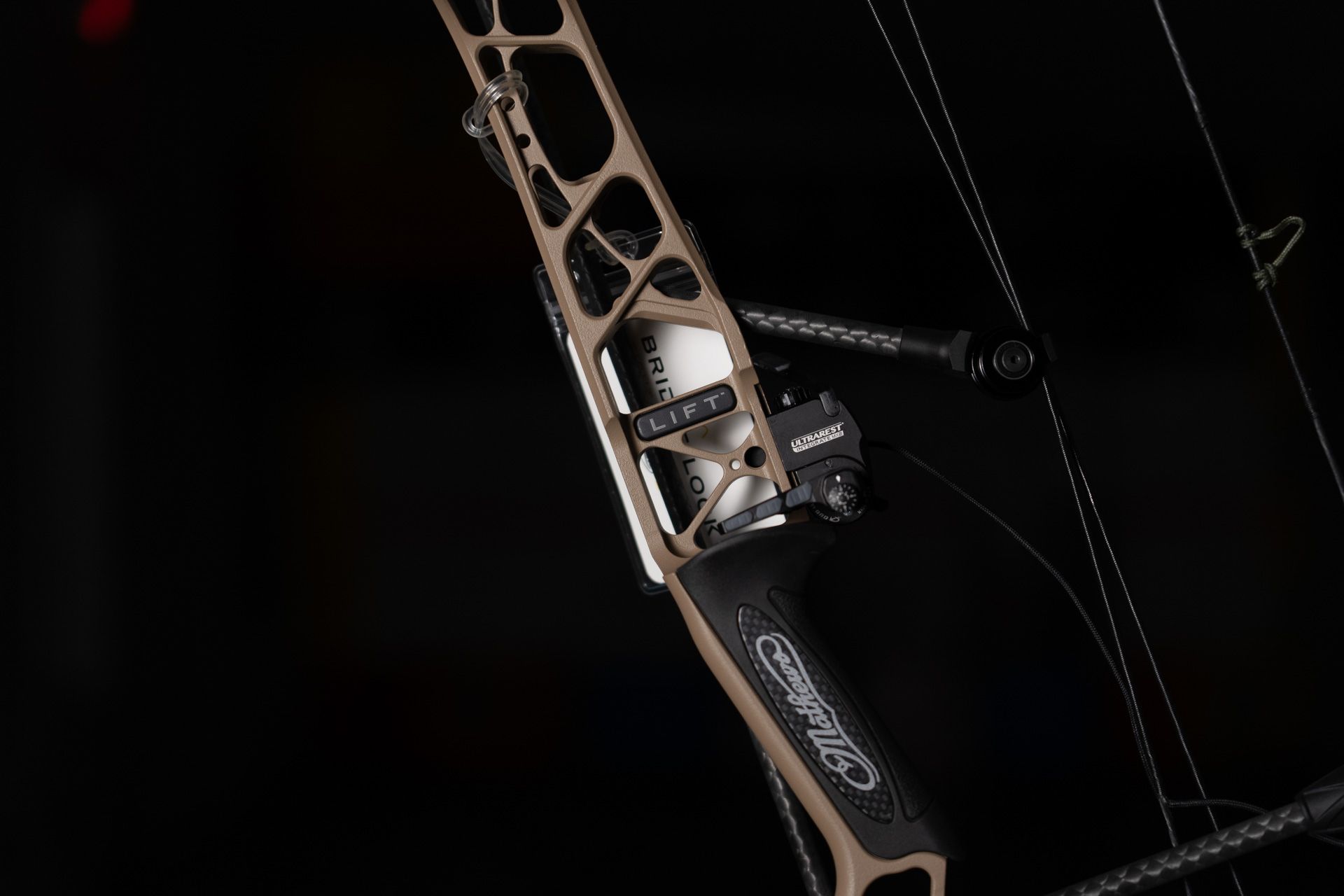
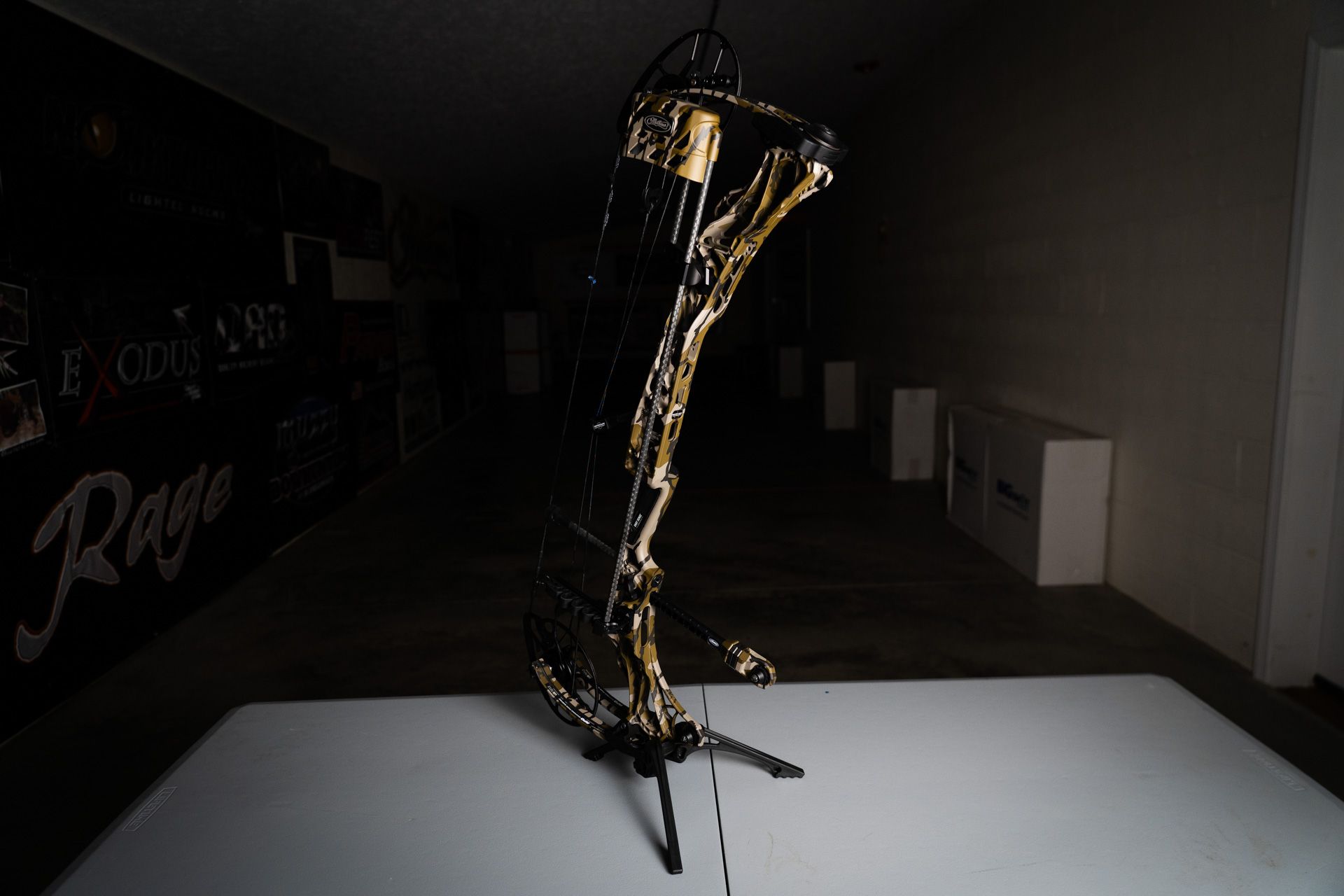
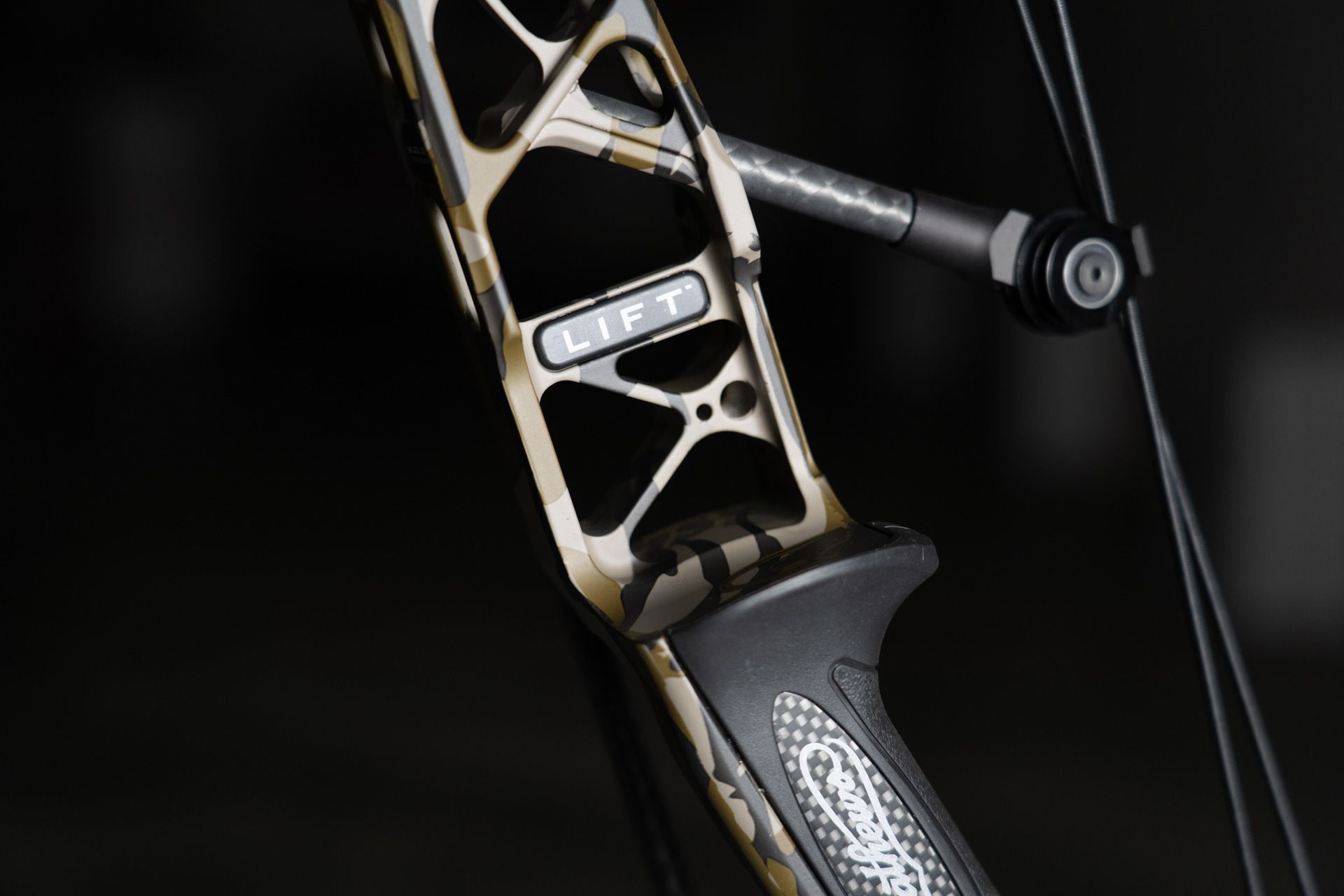
By mid-October your bow has been through a few weeks of climbing, bumping, humid mornings, and getting hauled up on a rope. Small things can shift without you noticing.
- Wax your string and cables.
- Look over the string, cables, and serving for fraying or separation.
- Check that your peep and D-loop haven't moved.
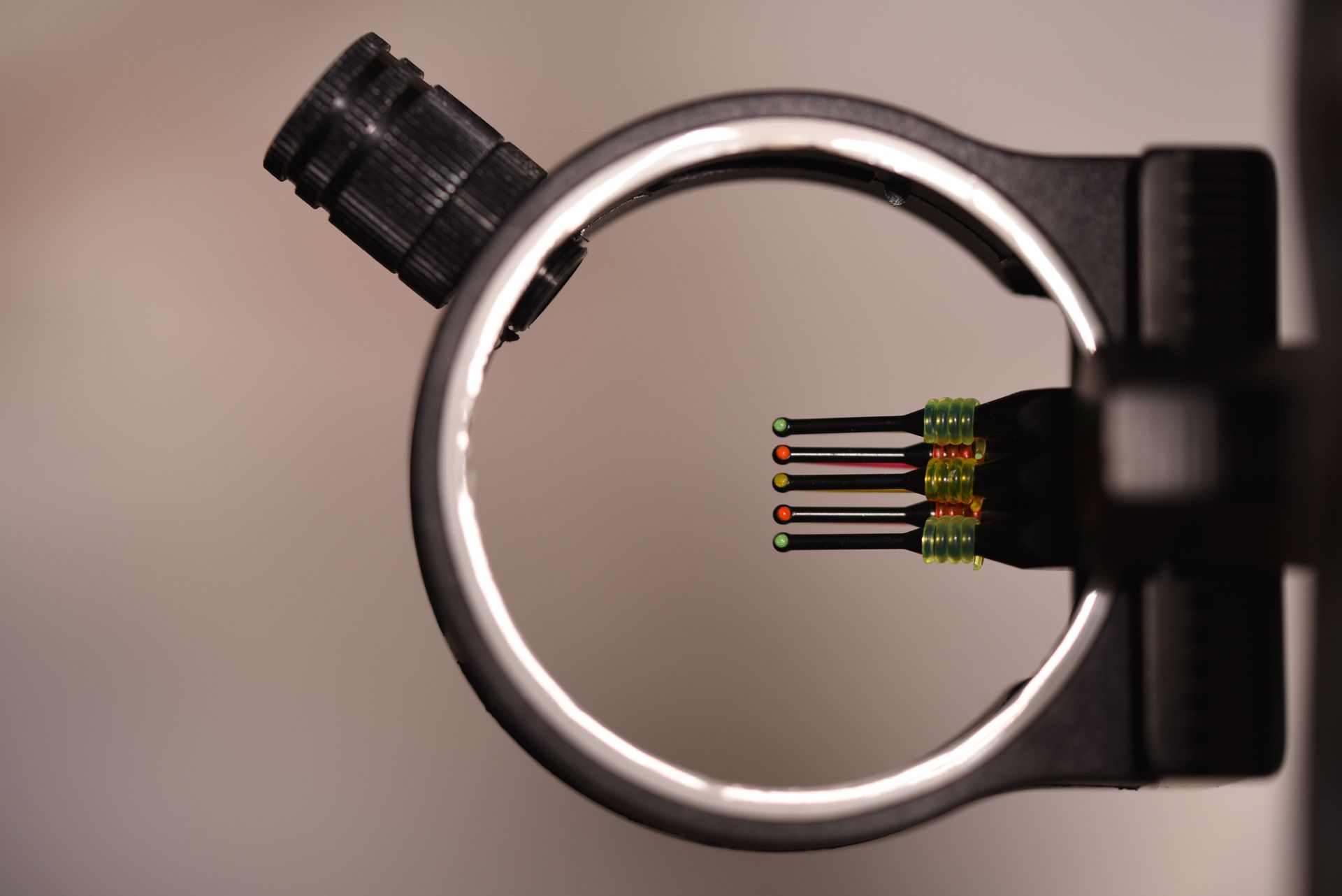
- Make sure your sight hasn't been knocked out of place.
- Shoot a broadhead or two at the range to confirm they still hit with your field points.
- Check that your broadheads are sharp and that any mechanical heads open freely.
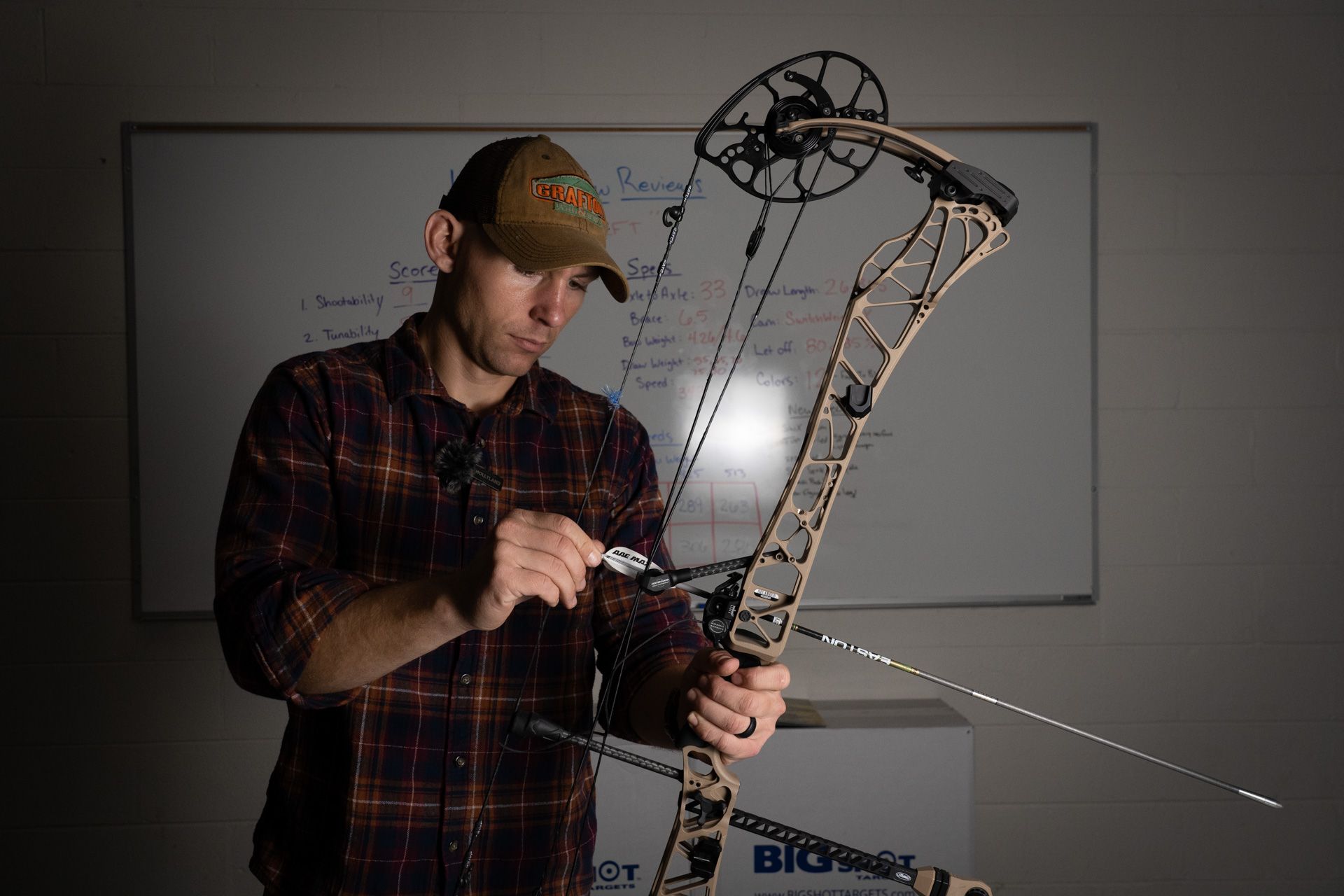
If something's off, like groups opening up, a peep that's turned, a frayed string, or a noise you didn't have before, that's a bow to bring in, not one to work on at the tailgate. Our post on mid-season bow tuning covers when that check-up makes sense.
Get a Once-Over Before the Rut
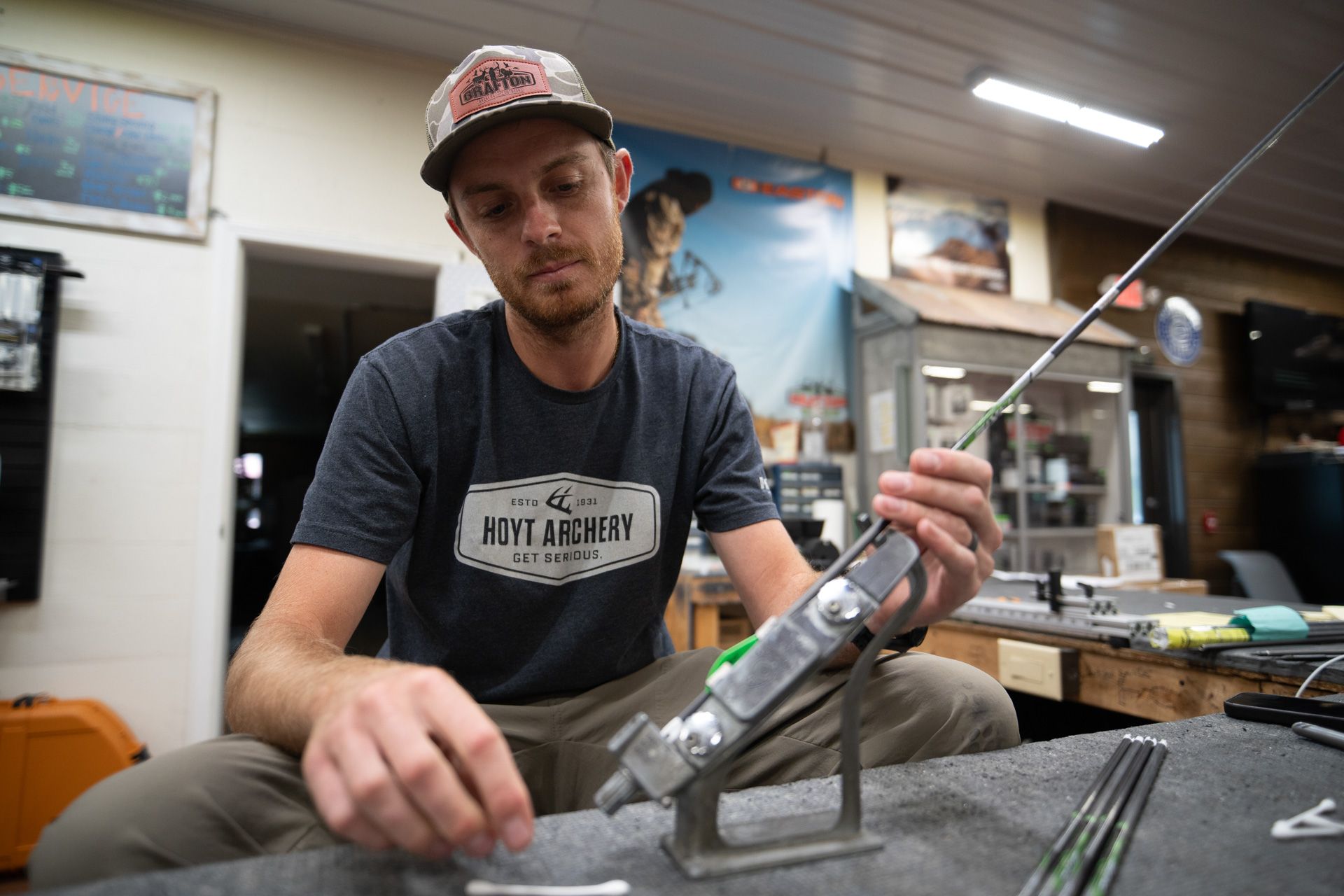
The best weeks of the season are a bad time to find out something's wrong with your setup. Our bow technicians can look over your string, cables, rest, and sight, and help make sure your broadheads and field points are hitting together.
If you're in China Grove or anywhere around Rowan County, stop by the shop before the rut kicks in, or call us at (704) 855-1300 with questions.