Bowhunting the Rut in the North Carolina Piedmont: A Phase-by-Phase Game Plan
Grafton Archery & Outdoors
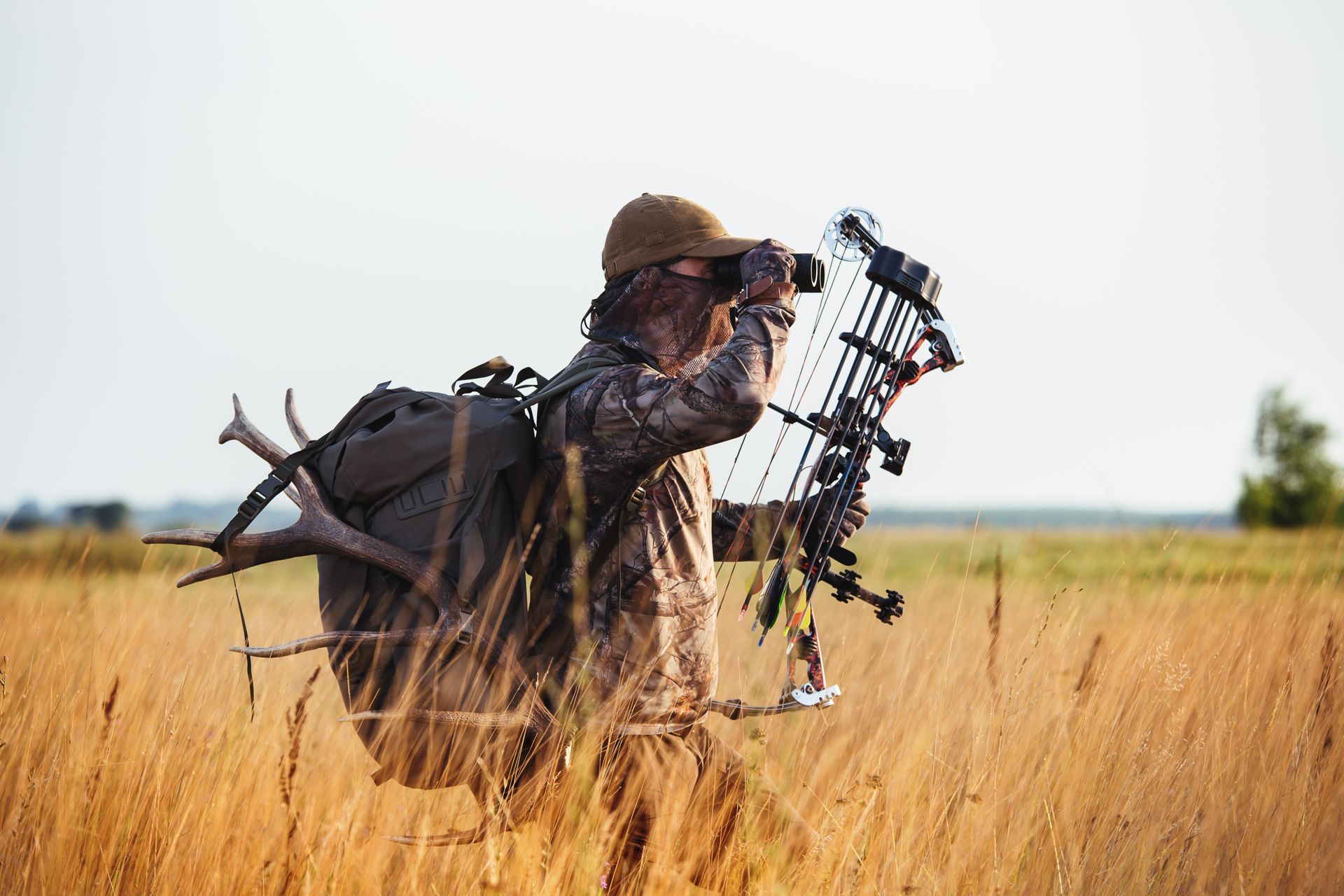
November is when a lot of Piedmont bowhunters start rearranging their work schedules. Bowhunting the rut around China Grove and Rowan County has its own wrinkles: warm afternoons that push movement to the edges of the day, thick pine cover, and a patchwork of hardwood draws and farmland edges that gives bucks plenty of ways to travel.
One note before anything else: we don't publish season dates or regulations, because they change from year to year and vary by zone. Check the current North Carolina Wildlife Resources Commission regulations for your area before you head out.
Rut Timing Varies, So Read Your Own Woods
You'll hear plenty of opinions about when the rut "hits" in North Carolina. Timing varies across the state and even from one property to the next, so the most reliable calendar is the sign in front of you.
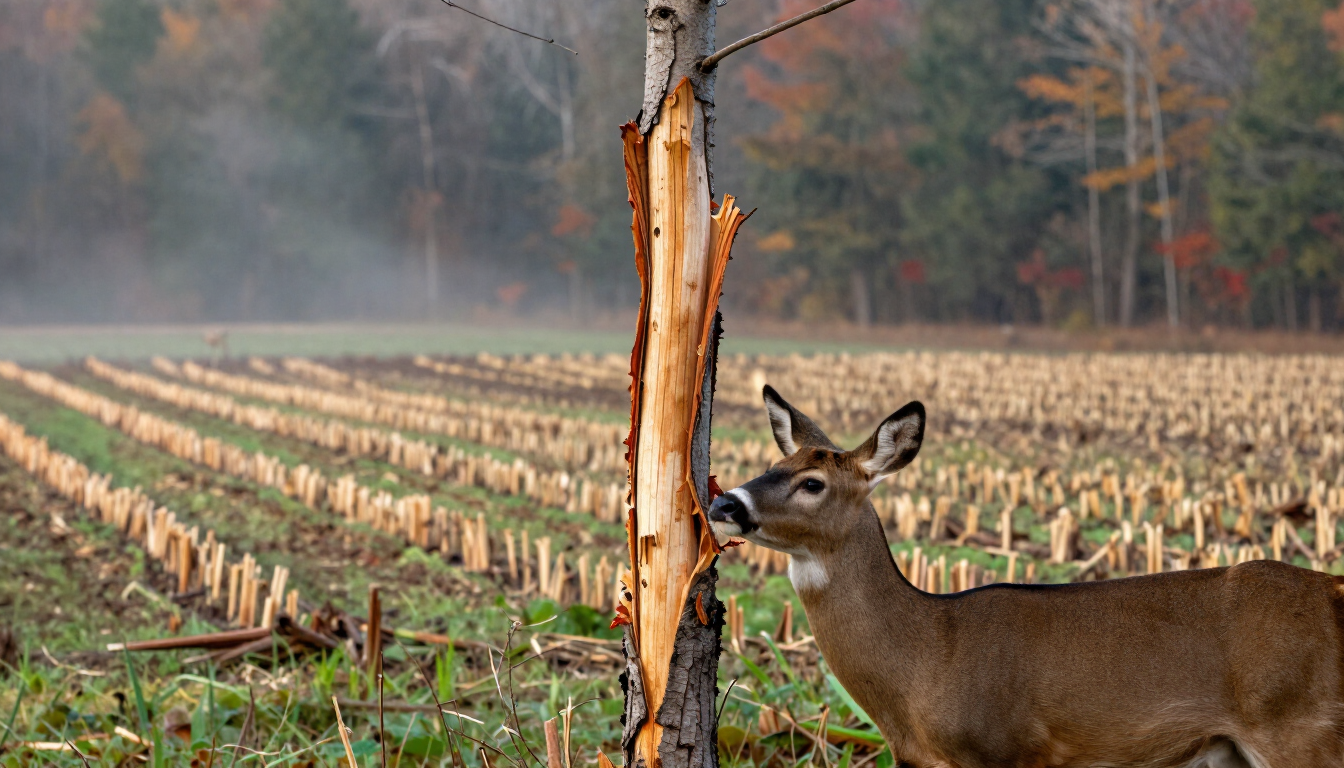
- Fresh rubs showing up along travel routes you've been watching all season
- Scrapes opening under overhanging limbs, especially along field edges and creek bottoms
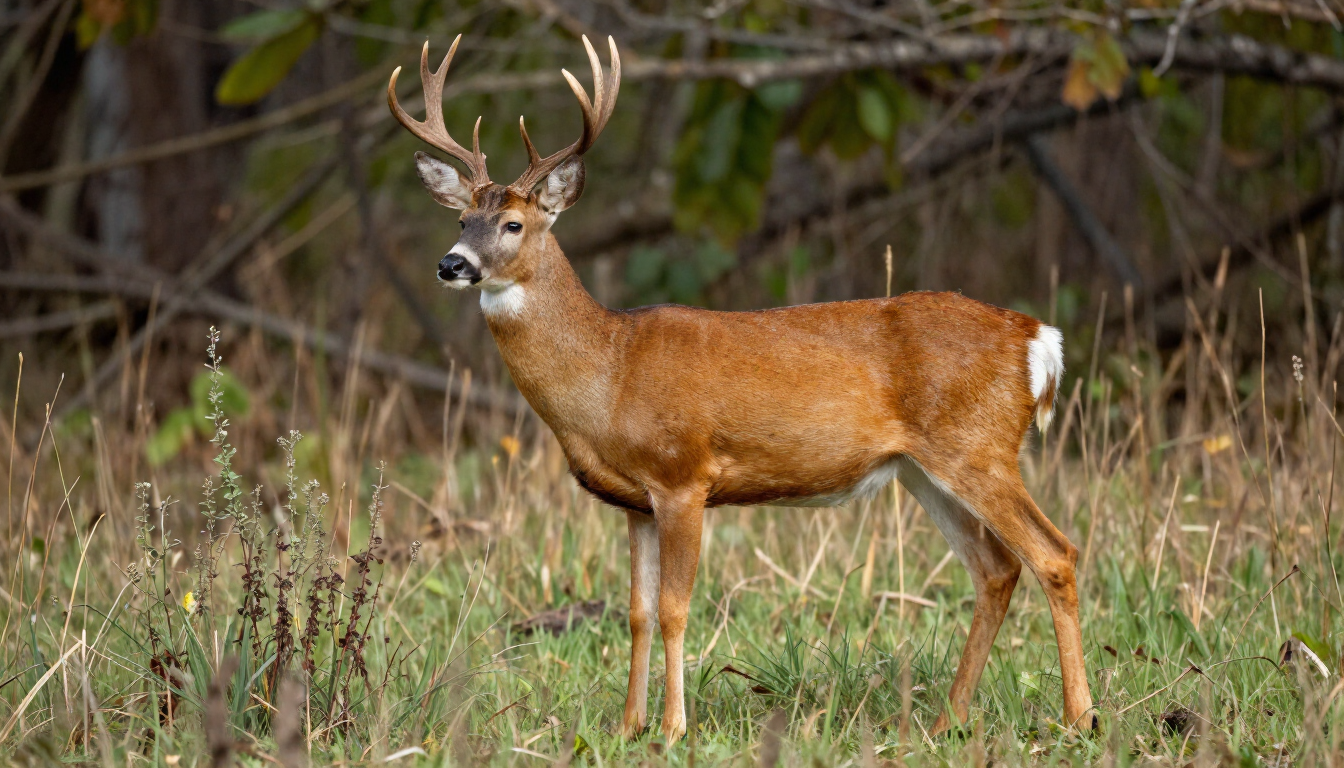
- Bucks appearing on camera in daylight, often alone and on the move
- Does acting nervous, or getting pushed through areas where they usually feed calmly
Bowhunting the Rut, Phase by Phase
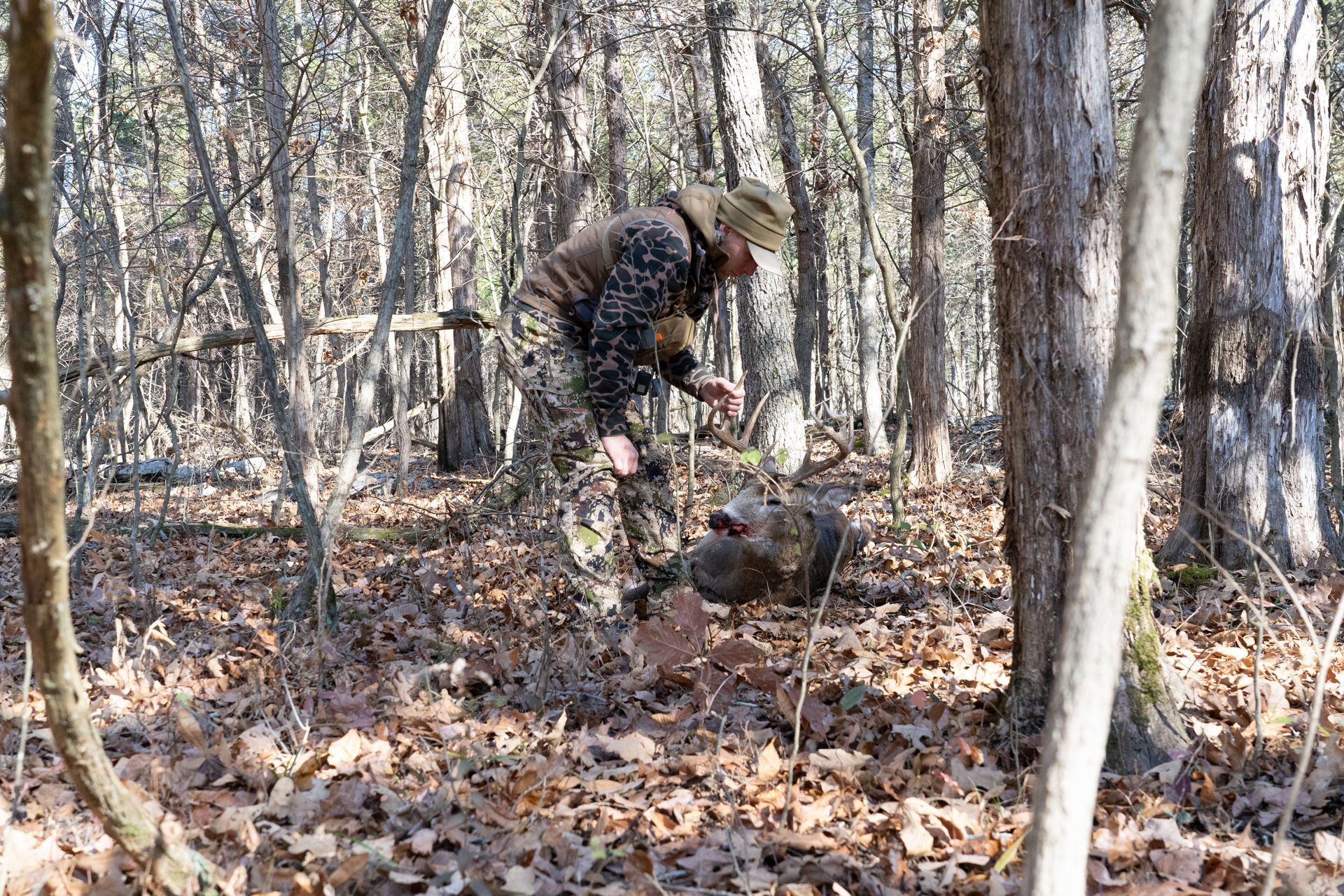
The rut isn't one event. It unfolds in phases, and each one calls for a slightly different approach.
| Phase | What bucks are doing | Where to set up | How to hunt it |
|---|---|---|---|
| Seeking | Laying down rubs and scrapes, cruising between doe areas | Scrape lines near bedding cover, inside corners of fields | Afternoon sits downwind of fresh sign |
| Chasing | Pushing does hard, often moving through midday | Funnels, creek crossings, pinch points between bedding areas | The longest sits you can manage; don't skip midday |
| Lockdown | Tending a single doe, often tucked into thick cover | Edges of thickets where does bed | Stay patient; slow sits are normal in this phase |
| Post-rut | Recovering, focusing on food, still checking for does | Food sources and field edges | Evening sits near the best food on the property |
Save your vacation days for when your cameras show bucks on their feet in daylight. That's your best sign the chasing phase is on, and it's when all-day sits earn their keep.
Where Rut Bucks Travel in the Piedmont
Piedmont deer country is a patchwork of cover types, and that patchwork creates natural travel routes.
Pine thickets and cutovers
Thick young pines and grown-up cutovers make prime bedding cover. Does bed there, and bucks cruise the downwind edges checking for them.
Hardwood draws and creek bottoms
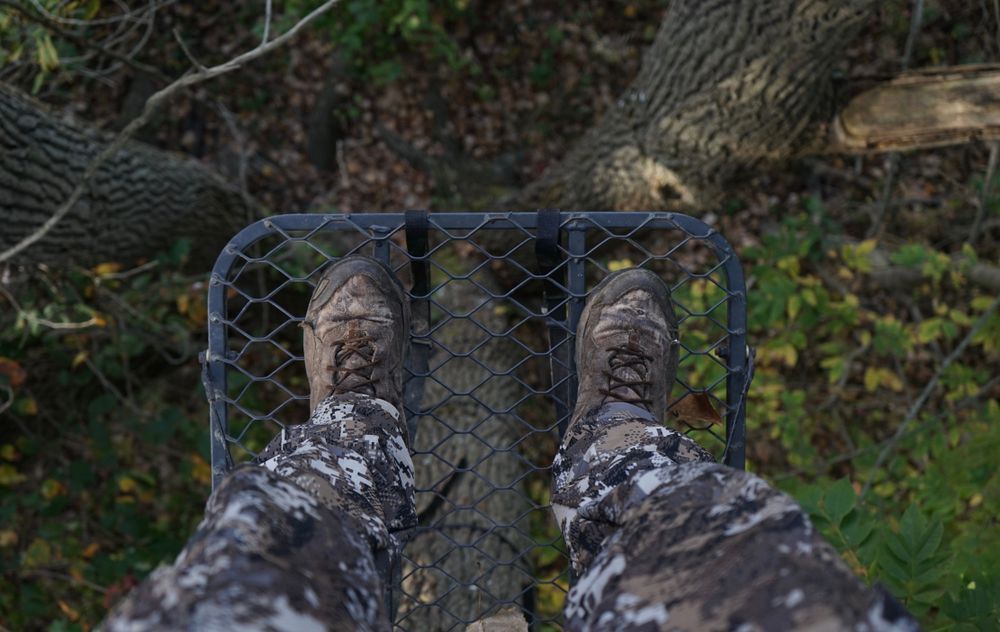
These are the corridors connecting bedding to food. Look for crossings where the banks flatten out and trails converge. On cool mornings, air tends to drain downhill in low ground, so plan your entry route and setup with the thermals in mind.
Farmland edges
Rowan County farmland edges, where cut fields meet timber, are where a lot of seeking-phase action plays out. Inside corners and narrow wooded strips between fields work as natural funnels.
When it's warm
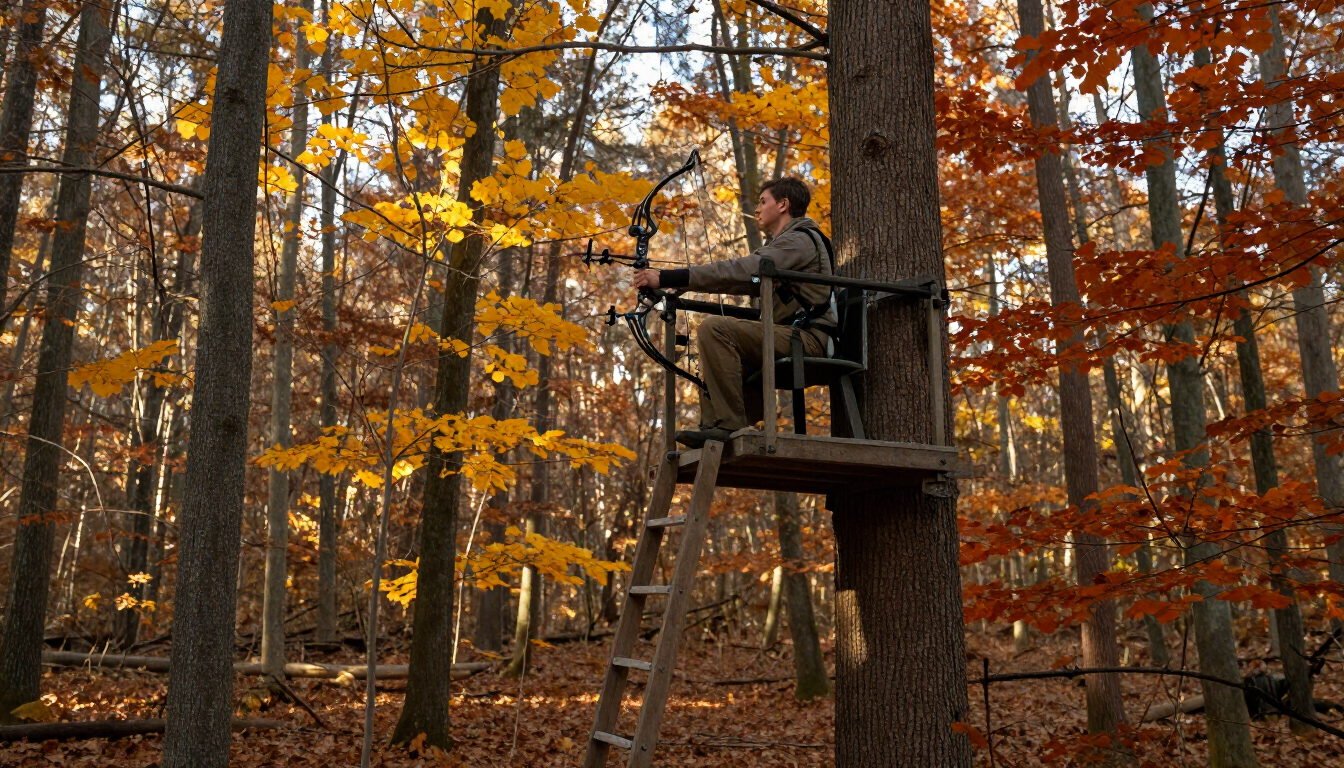
A warm November afternoon can shut down daylight movement until the last few minutes of light. On warm days, hunt closer to bedding. When a cold front comes through, make a point of being in the stand.
Use Trail Cameras to Track the Rut
Trail cameras tell you which phase you're in better than any calendar. Watch for bucks shifting from nighttime travel to daylight movement, and for new bucks showing up that you haven't seen all season.
The fewer trips you make in to check cameras, the better. Pairing a camera like the Reveal 3.0 PRO with a Reveal External Solar Panel saves you from walking in to swap batteries during the weeks that matter most. For placement ideas, read our post on trail camera strategies for whitetail hunting in North Carolina.
Keep Your Bow Hunt-Ready Through the Rut
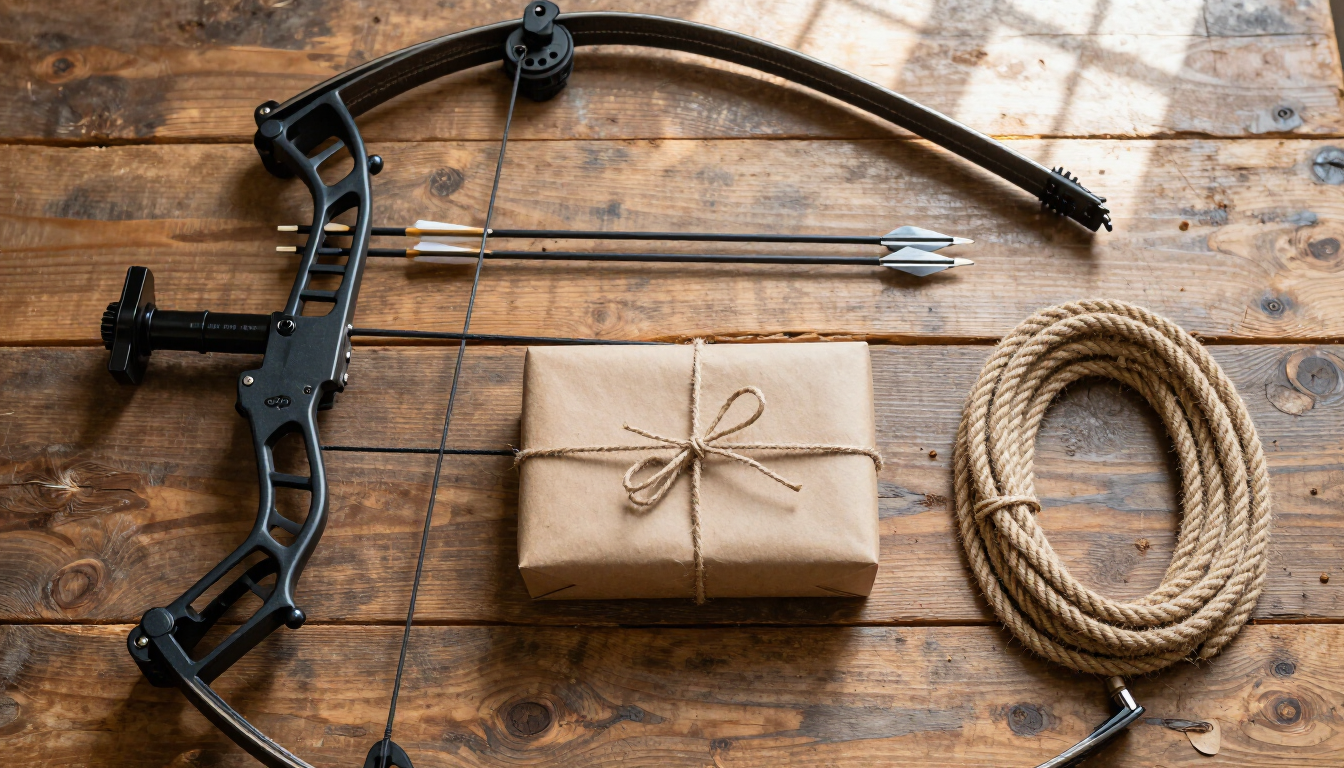
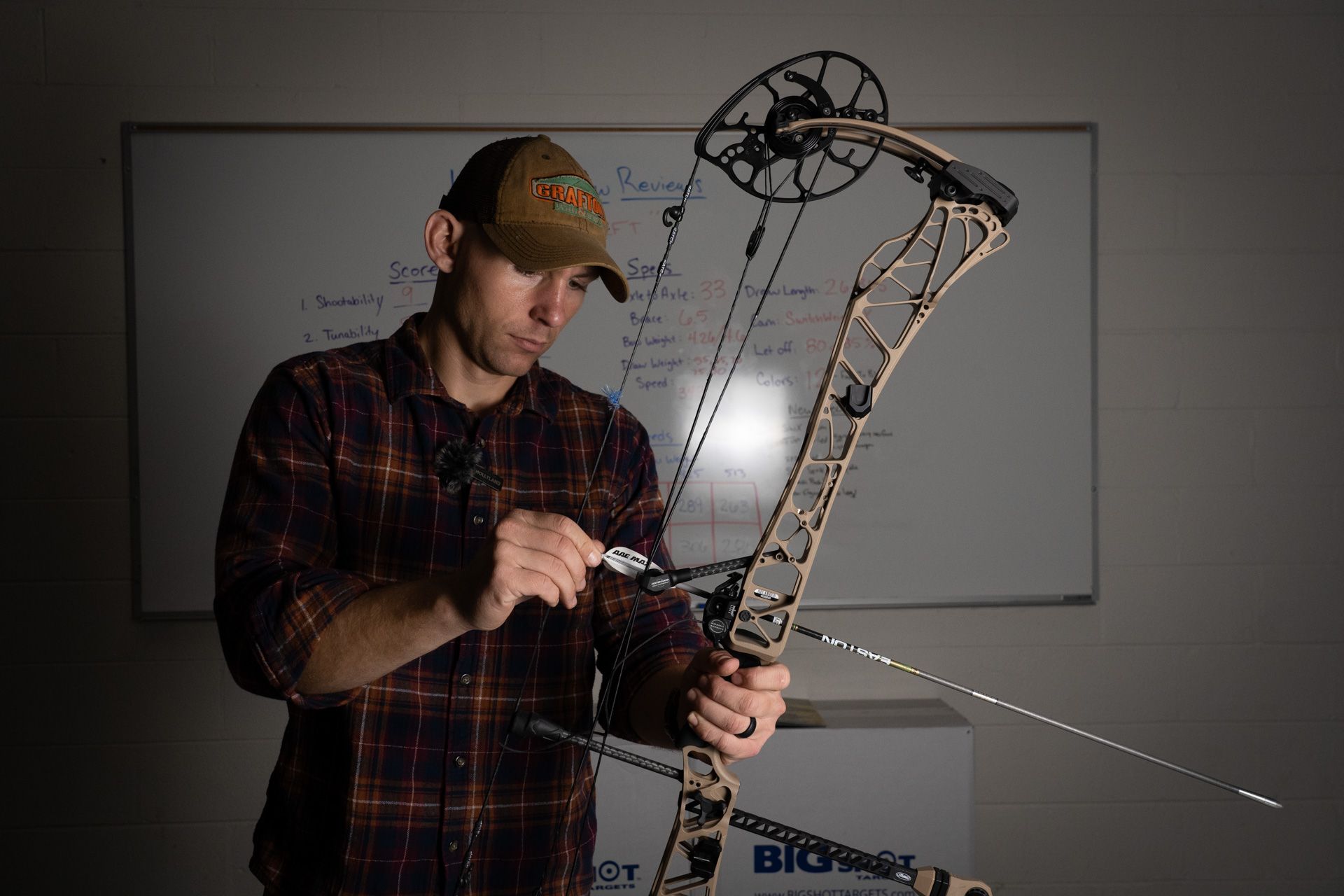
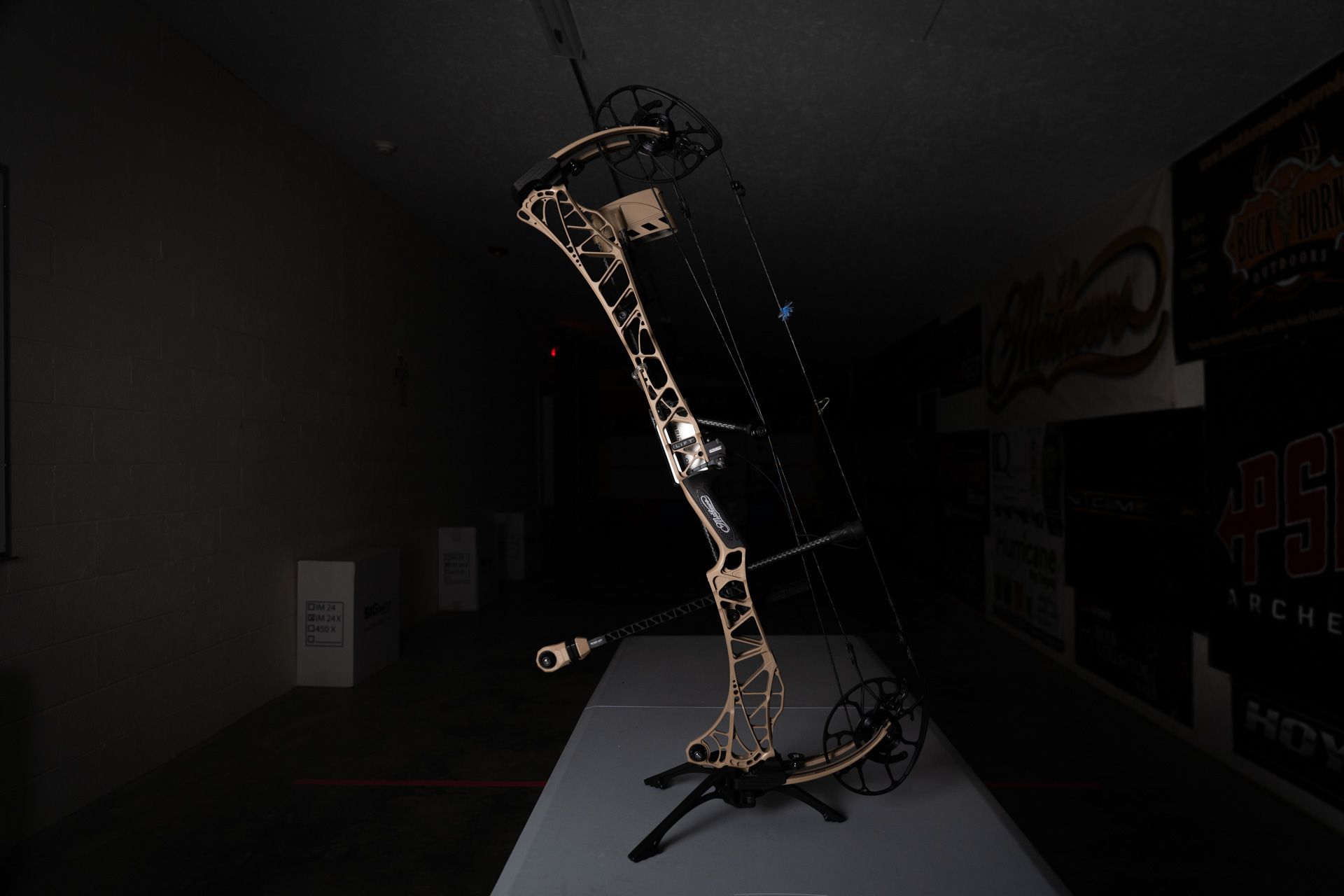
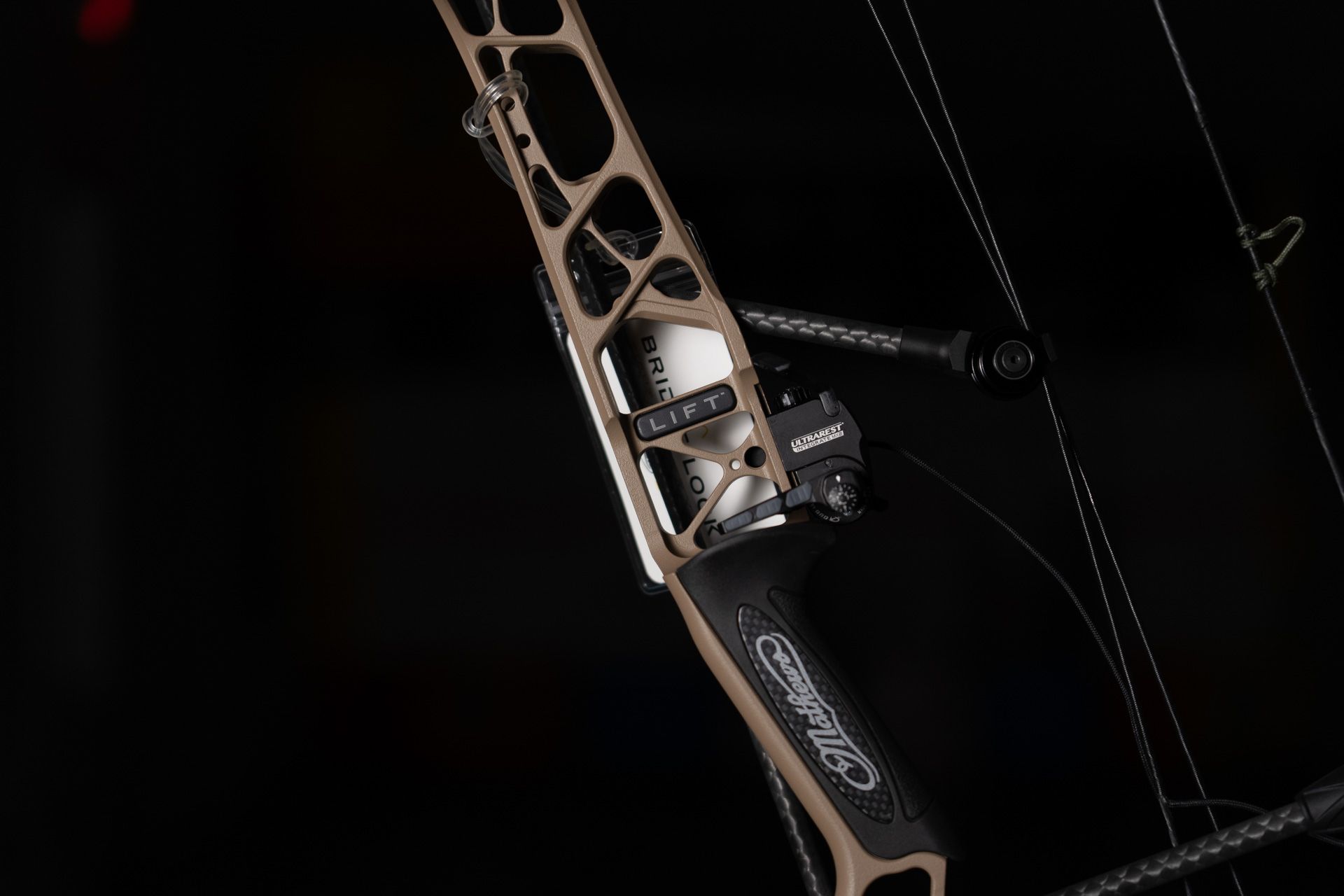
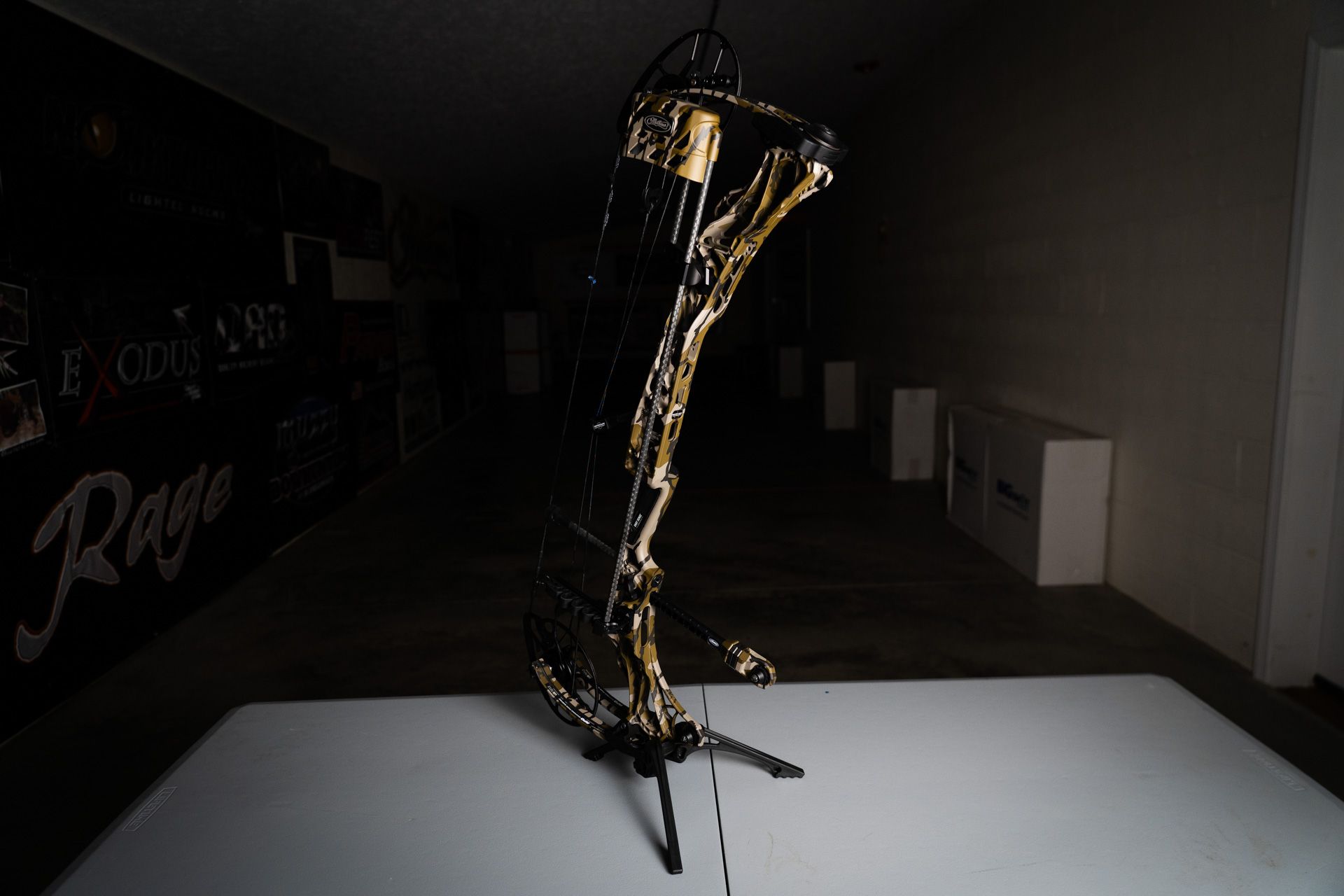
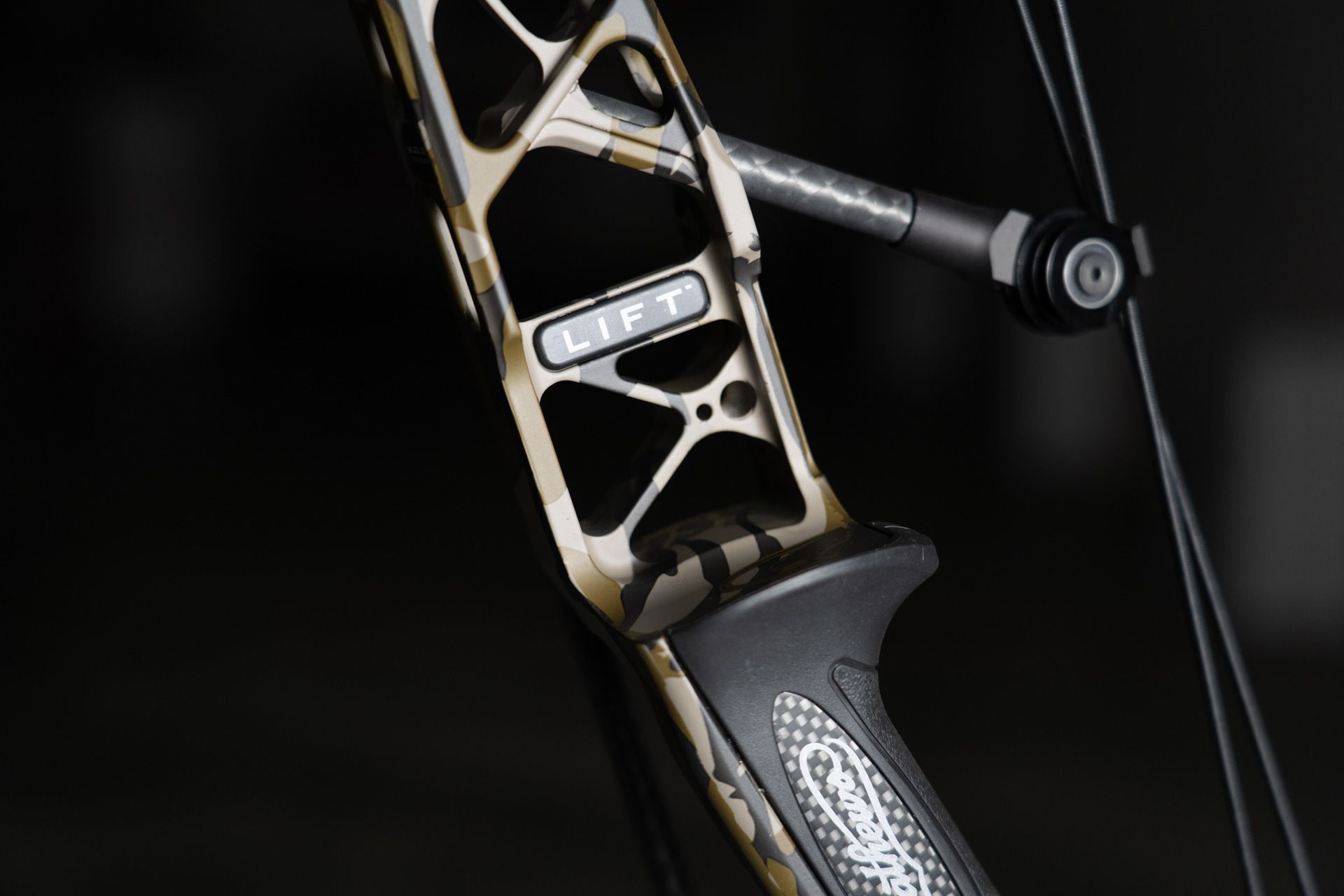
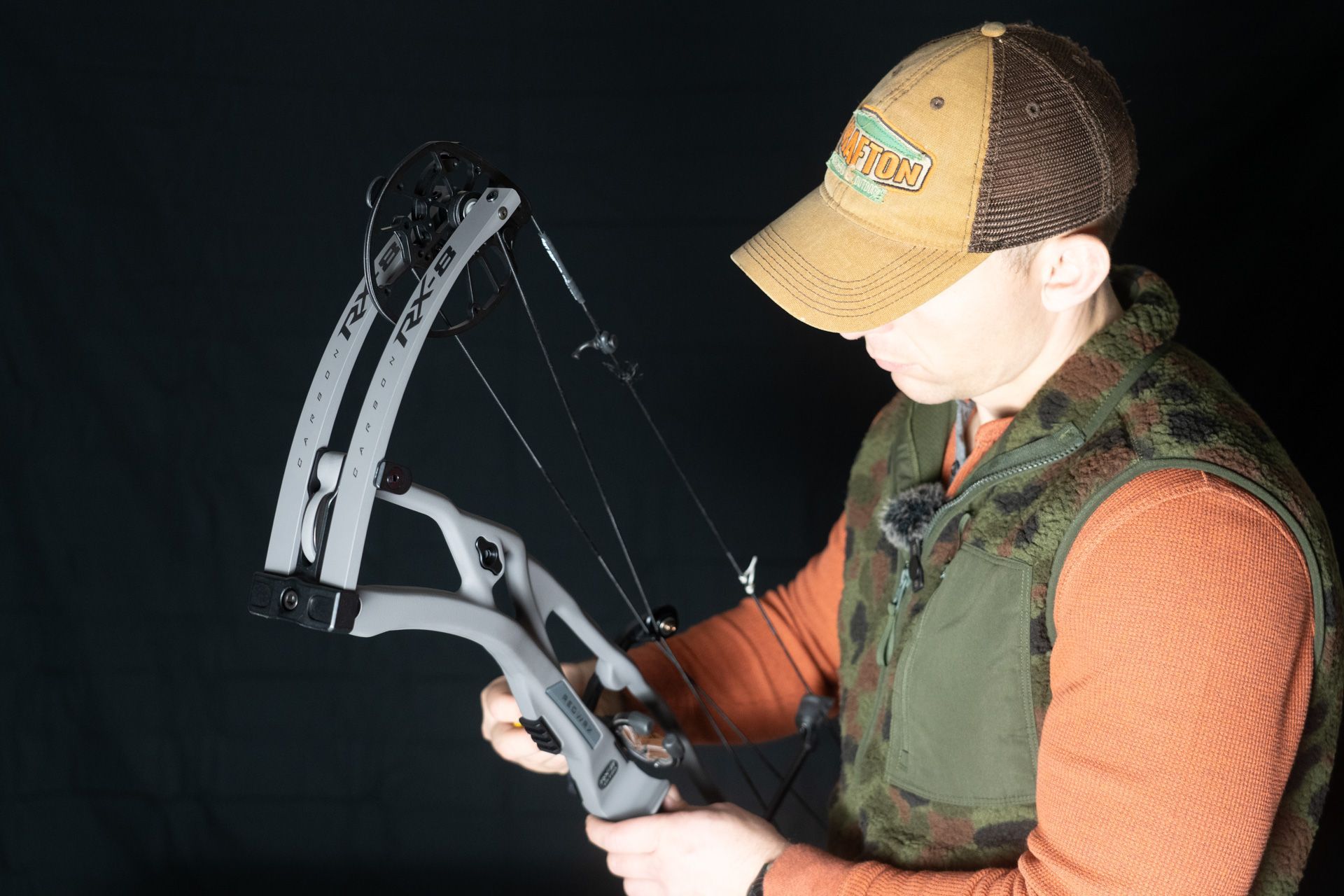
Back-to-back sits are hard on gear. Climbing, hauling, damp mornings, and the occasional bump against a tree all add up. A quick check between hunts keeps small problems from costing you a shot.
- Wax your string and cables, and look over the serving for fraying or separation.
- Flex each carbon arrow and check its nock and insert before it goes back in the quiver.
- Make sure your peep and D-loop haven't shifted.
- Check your broadhead edges. Sharpen or replace dull ones, whether that's a fresh pack of G5 Megameat heads or whatever you've already tuned with.
- Shoot a few arrows before your next sit to confirm your pins are where you left them.
Humidity and temperature swings affect more than your comfort. Our post on how weather conditions affect your bow and arrow setup in North Carolina covers what to watch for.
When to Bring It to the Shop
Some problems shouldn't wait until after the season. Bring your bow in if:
- Your groups open up or shift and you can't trace it back to your form.
- Your serving is separating, or a strand of your string looks frayed.
- Your peep has rotated or moved.
- The bow took a fall, hit a tree hard, or anything looks cracked or bent. Don't draw it again until a technician has looked at it.
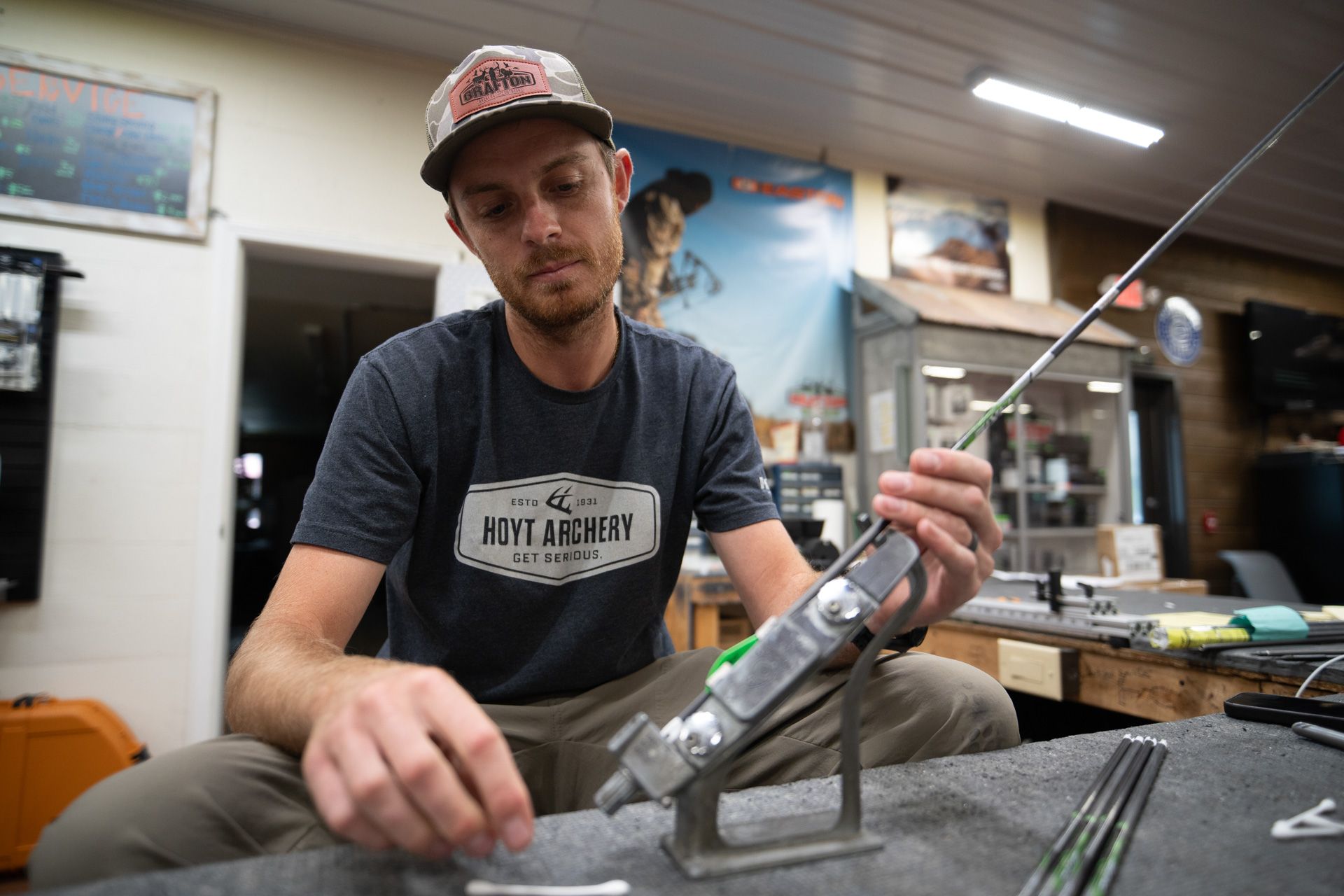
Our bow technicians will check string and cable condition, cam timing, rest and sight alignment, and limb condition, and they'll handle anything that needs a bow press. For more on why in-season adjustments matter, see tuning your bow mid-season.
Stop By the Shop Before Your Next Sit
We're at 1700 N Main St in China Grove, the same location we've served local bowhunters from for over three decades. Learn more about us, then bring your bow in for a mid-rut checkup or pick up broadheads and camera gear on your way to the woods.
Not sure whether your bow needs a look? Call us at (704) 855-1300 and describe what you're seeing.
Visit or Contact the Shop Call (704) 855-1300