Tracking a Deer After the Shot: A Bowhunter's Guide to Recovery
Grafton Archery & Outdoors
You made the shot, the deer ran, and now you're in the tree with your heart pounding, trying to decide what to do next. Tracking a deer after the shot is where a lot of hunts are won or lost, and most of it comes down to patience and paying attention. Here's how to give yourself the best chance at a quick recovery.
A Good Recovery Starts Before You Release
The easiest deer to track is the one you only shot at when everything lined up. That decision happens long before you find blood.
- Only shoot at distances where you've proven you can group, in hunting clothes and from a hunting position.
- Wait for a calm deer standing broadside or slightly quartering away. Pass on quartering-to, moving, or brushy shots.
- Practice with your actual broadheads, not just field points, and make sure every head you hunt with is sharp.
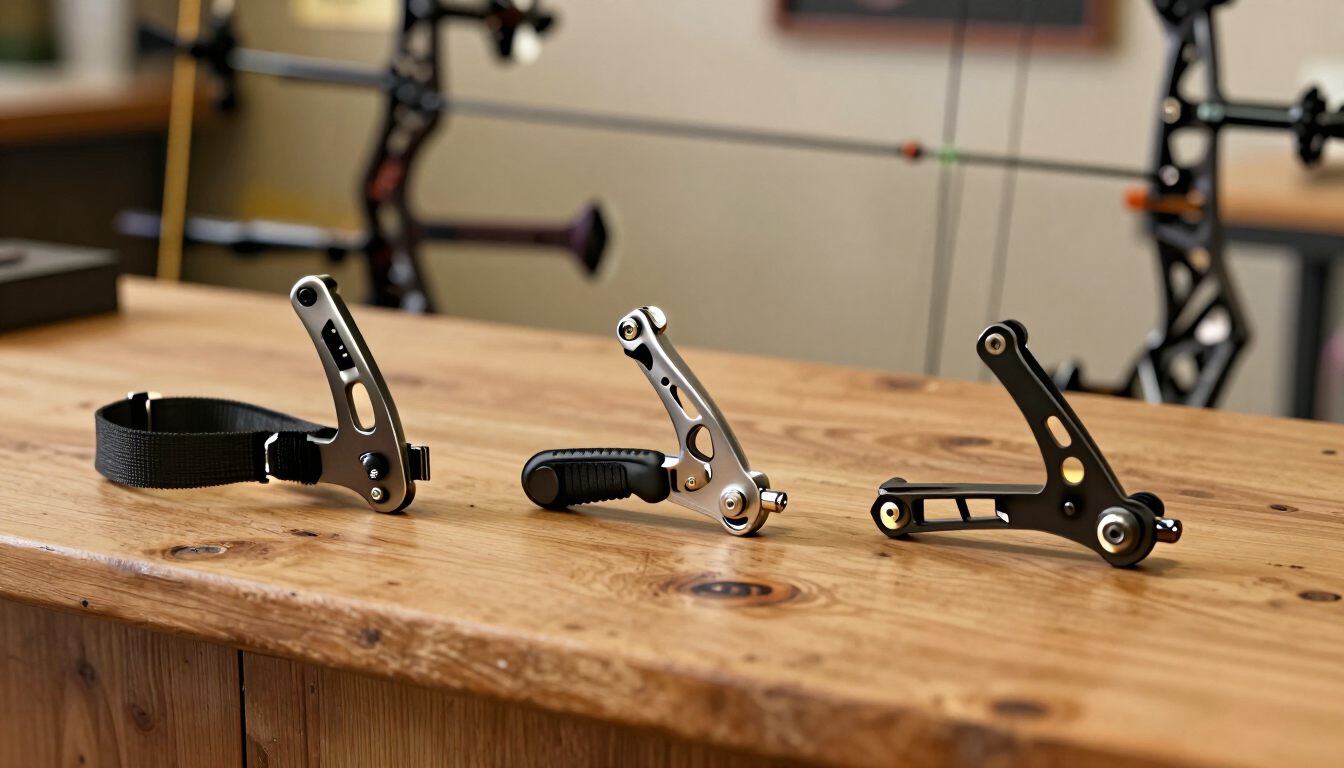
Whether you shoot a fixed blade like the G5 Deadmeat or a mechanical like the Rage Hypodermic NC, it needs to fly with your field points and be razor sharp when you hunt. If you're still deciding, our fixed blade vs. mechanical broadheads post breaks down the choice, and our full broadhead selection is online.
Passing on a marginal shot is never a mistake. Wounding a deer you can't recover is.
What to Do in the First Few Minutes
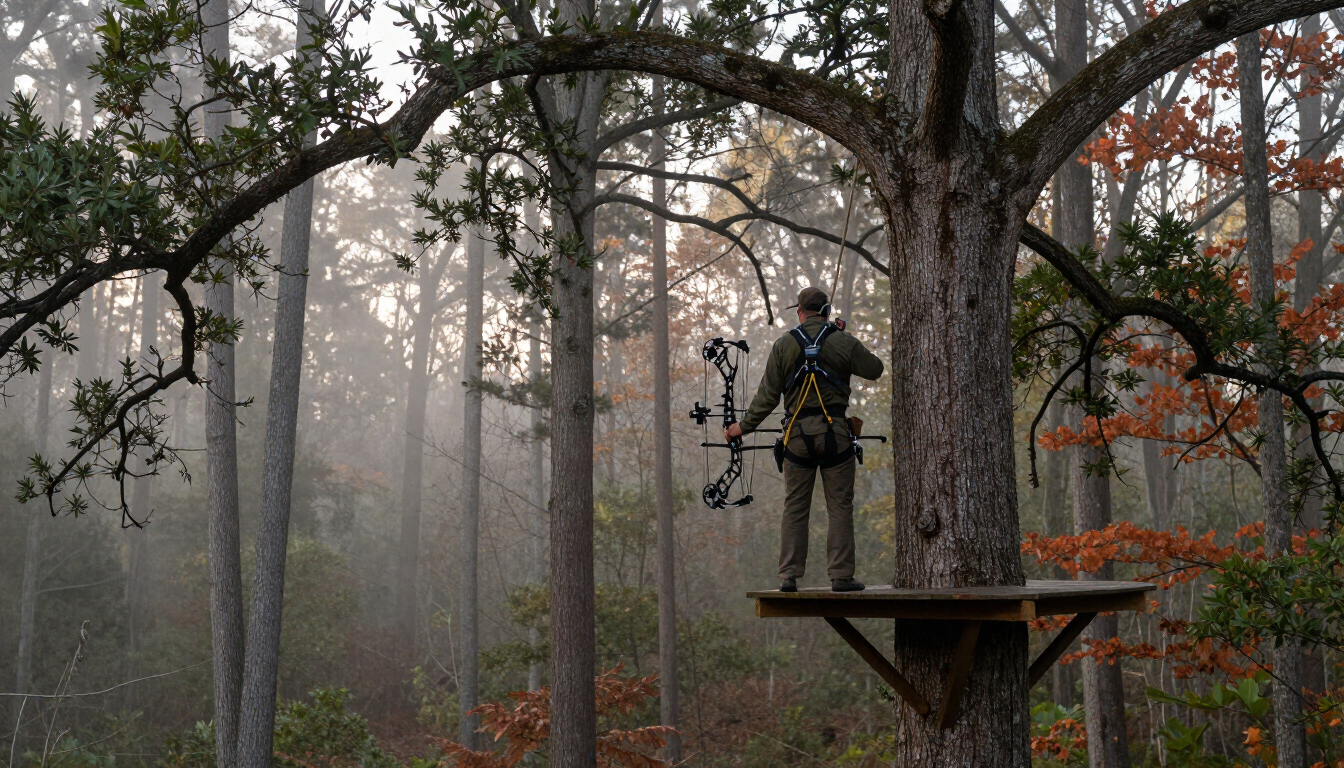
What you notice right after the shot is some of the most valuable information you'll get. Stay still and stay quiet.
- Watch the deer as long as you can see it, and notice how it reacted to the shot.
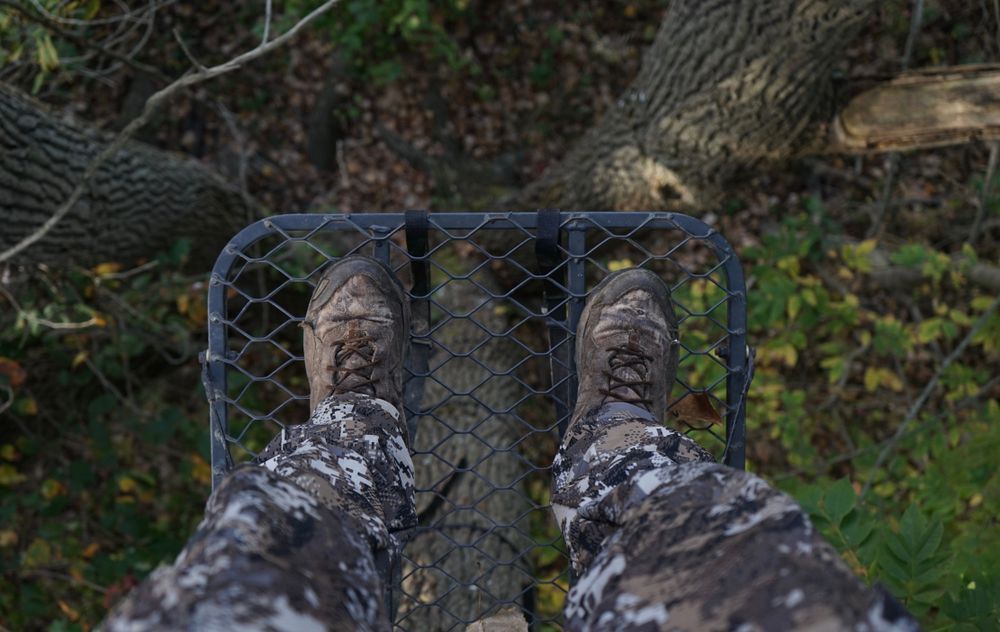
- Pick a landmark at the exact spot where you last saw it: a specific tree, stump, or gap.
- Note where the deer was standing when you shot.
- Listen. A crash or a change in the sound of the deer running is worth remembering.
- Drop a pin on your phone's map for both spots so you can find them from the ground.
- Text a hunting partner and let them know you may need help.
How Long to Wait Before You Start Tracking
Your instinct will be to climb down and go look. Usually, that's the wrong call. A deer that isn't pushed will often bed down nearby, while a deer jumped out of its bed can travel a long way and leave less blood behind.
How long to wait depends on where you think you hit. The general rule of thumb many bowhunters follow is to give a clear double-lung hit at least half an hour, a suspected liver hit several hours, and a suspected stomach or gut hit many hours, often overnight. When you're not sure, wait longer.
Warm October weather and incoming rain both put pressure on you to hurry. Even then, pushing a poorly hit deer usually makes recovery harder, not easier.
Reading Your Arrow and the First Blood
If you can find your arrow, it's the best clue you have. Look at the blood, hair, and anything else on the shaft and fletching, then compare it to what you find at the hit site. These are general signs, not certainties.
| What you see | What it often points to | What to do |
|---|---|---|
| Bright red blood with small bubbles | Lung hit | Give it time, then track; these deer often don't go far |
| Heavy bright red blood, sometimes sprayed | Heart or a major vessel | Usually a short trail; still give it time before you follow |
| Darker red blood without bubbles | Possible liver hit | Back out quietly and wait several hours |
| Green or brown matter and a strong odor on the arrow | Stomach or intestine hit | Back out quietly and wait many hours, often overnight |
| Little or no blood, mostly hair | Possible high or low hit | Wait, then track carefully and look for any sign at all |
Tracking a Deer After the Shot: Following the Blood Trail
Once you've waited, go slow. A careful, methodical track beats a fast one every time.
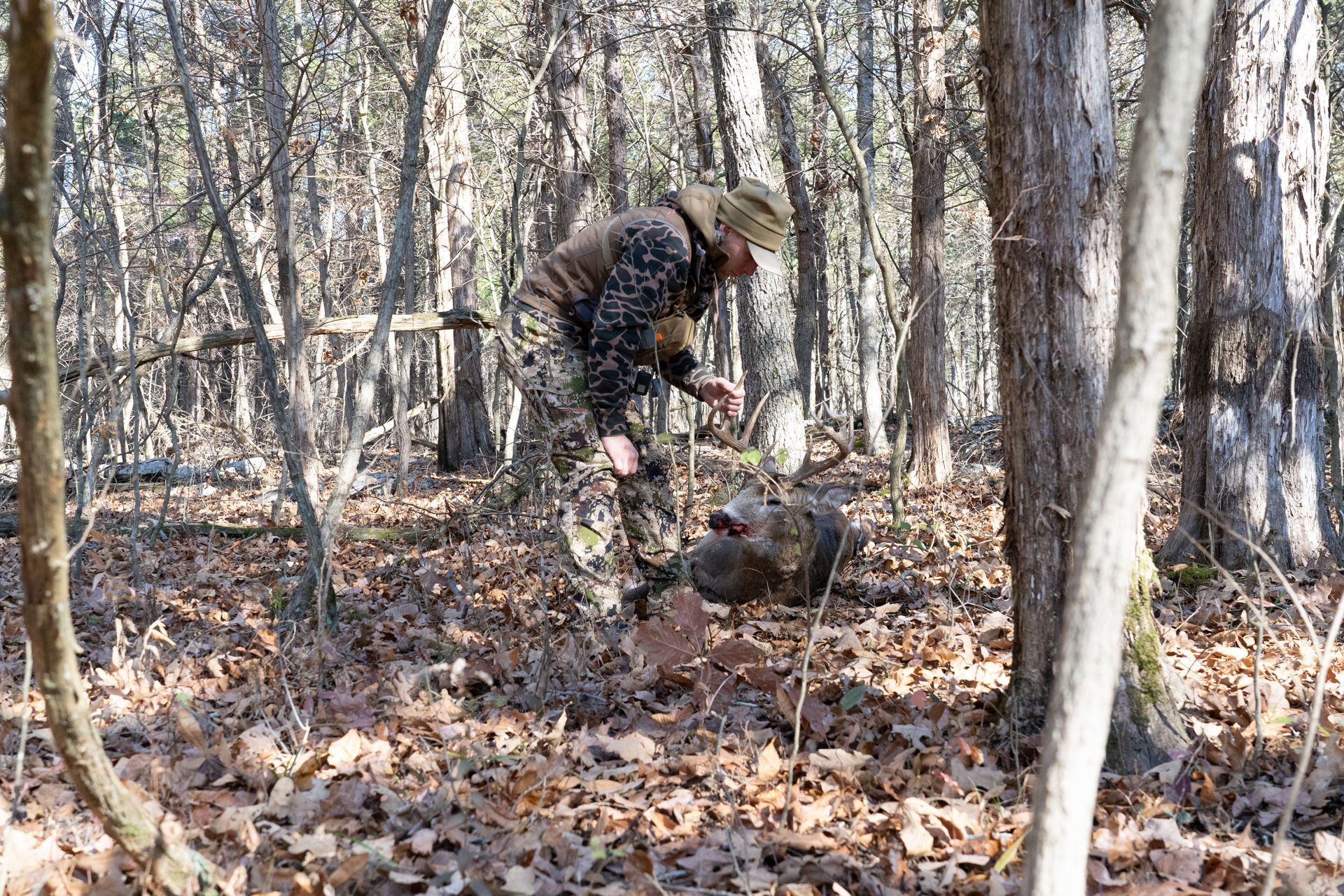
- Start where the deer was standing when you shot, and find the first blood or hair.
- Mark sign as you go with flagging tape. Looking back at the line of markers shows you the direction of travel.
- Walk beside the trail, not on it, so you don't cover sign you might need to come back to.
- Look ahead and at knee height on brush and leaves, not just at the ground.
- Use a strong flashlight after dark. Blood can show up better under a good light than you'd expect.
- Bring a partner. One person stays on the last sign while the other searches ahead.
- If you jump the deer, stop. Mark the spot, back out quietly, and give it more time.
When the Trail Goes Cold
Every bowhunter loses a blood trail eventually. That's when you get more deliberate, not less.
- Go back to the last sign and search outward in slow, widening loops.
- Check the thickest cover nearby, plus any low ground and creek bottoms in the direction the deer was headed.
- If it's dark and you're out of sign, come back at first light with fresh eyes and more help.
- Leashed tracking dogs can be a big help where they're legal. Check the North Carolina Wildlife Resources Commission or your state's wildlife agency for the rules where you hunt.
- If the trail crosses onto another property, get the landowner's permission before you follow it.
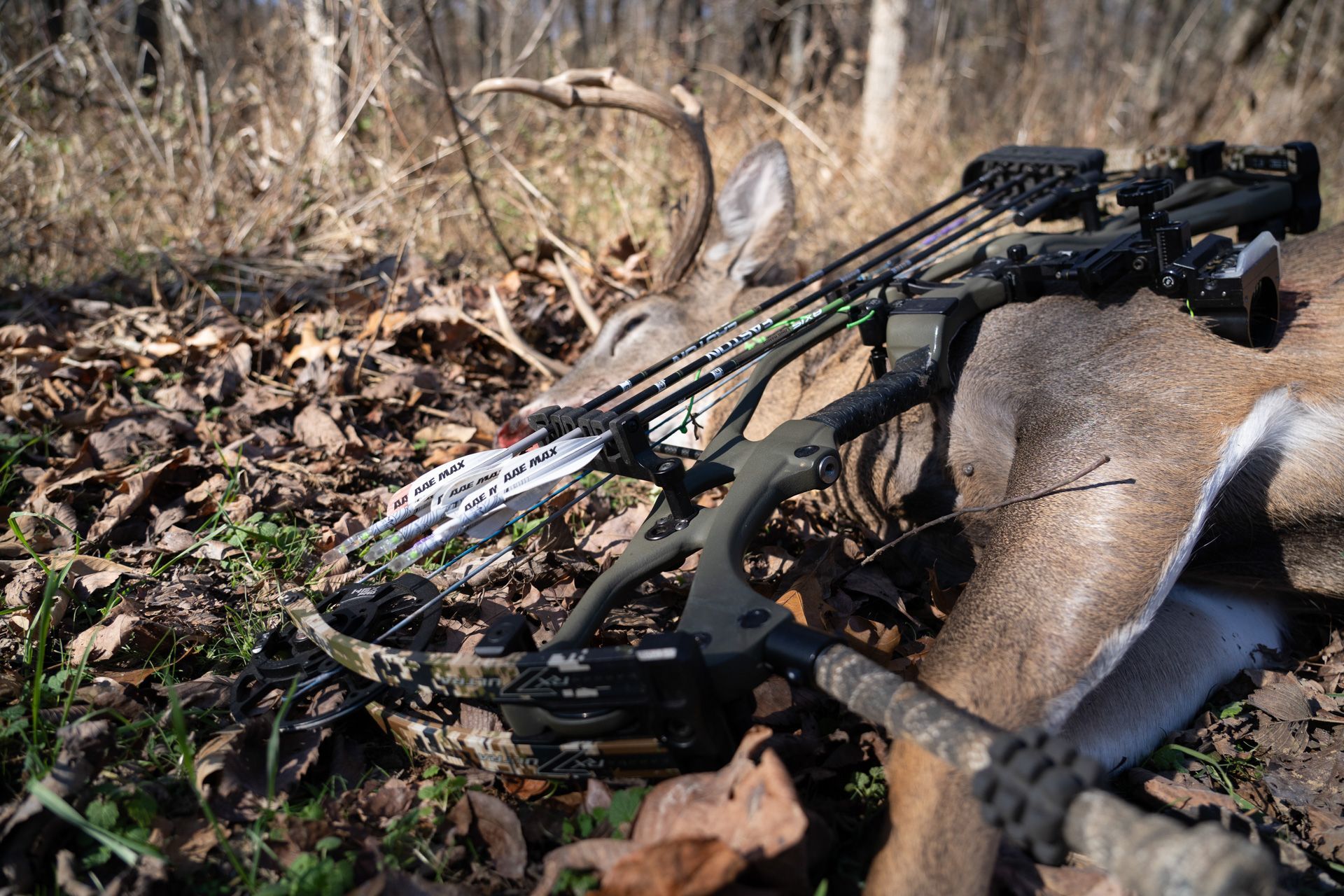
Commit to doing everything reasonable to recover the animal. That's part of the responsibility that comes with every shot.
Set Yourself Up for an Easy Recovery
Most quick recoveries start weeks earlier at the practice target. Order your broadheads through our online store and shoot them before your next sit, and see our guide on what to look for in deer hunting broadheads if you're still choosing.
We've been working with bowhunters from our shop in China Grove, NC, for over three decades. If you're local, bring your bow in and we'll help make sure your broadheads and field points are hitting together.